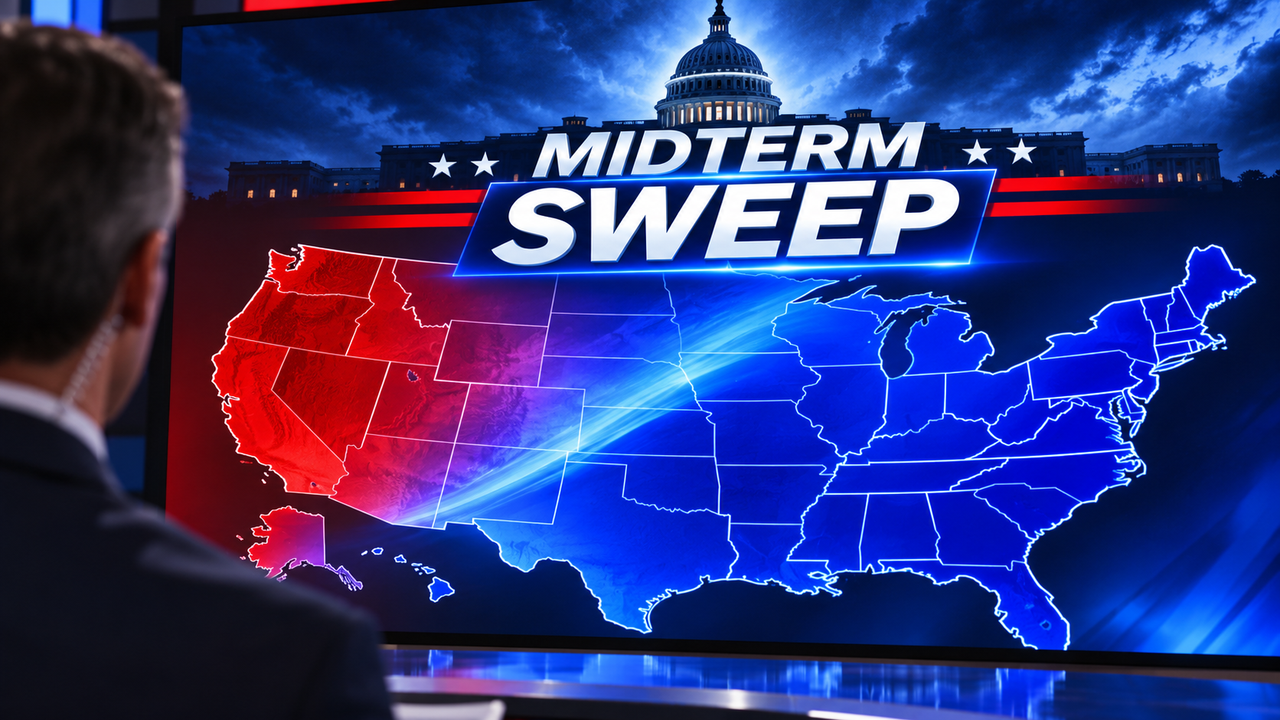
Voters handed Democrats control of both chambers of Congress Tuesday night, flipping open seats in Iowa, North Carolina and Texas while ousting Republican incumbents in Ohio, Kansas and South Carolina. Roy Cooper took North Carolina by nearly twenty points, Sherrod Brown reclaimed Ohio, and Abdul El-Sayed won Michigan to become the first Muslim US senator. Florida's Ashley Moody was one of the few bright spots for the GOP, holding on with just under fifty-one percent.
President Trump acknowledged the Iran war was "part of" the reason for the losses but insisted it was necessary, telling Bret Baier, "I don't think it's the war, Bret, I think it's the gasoline price." Vice President JD Vance went the other direction on X, writing that "the real reason we lost is obvious to almost everyone. The reason we lost is the war." Trump also vowed to veto what he called "insane" Democratic bills coming out of the new Congress.
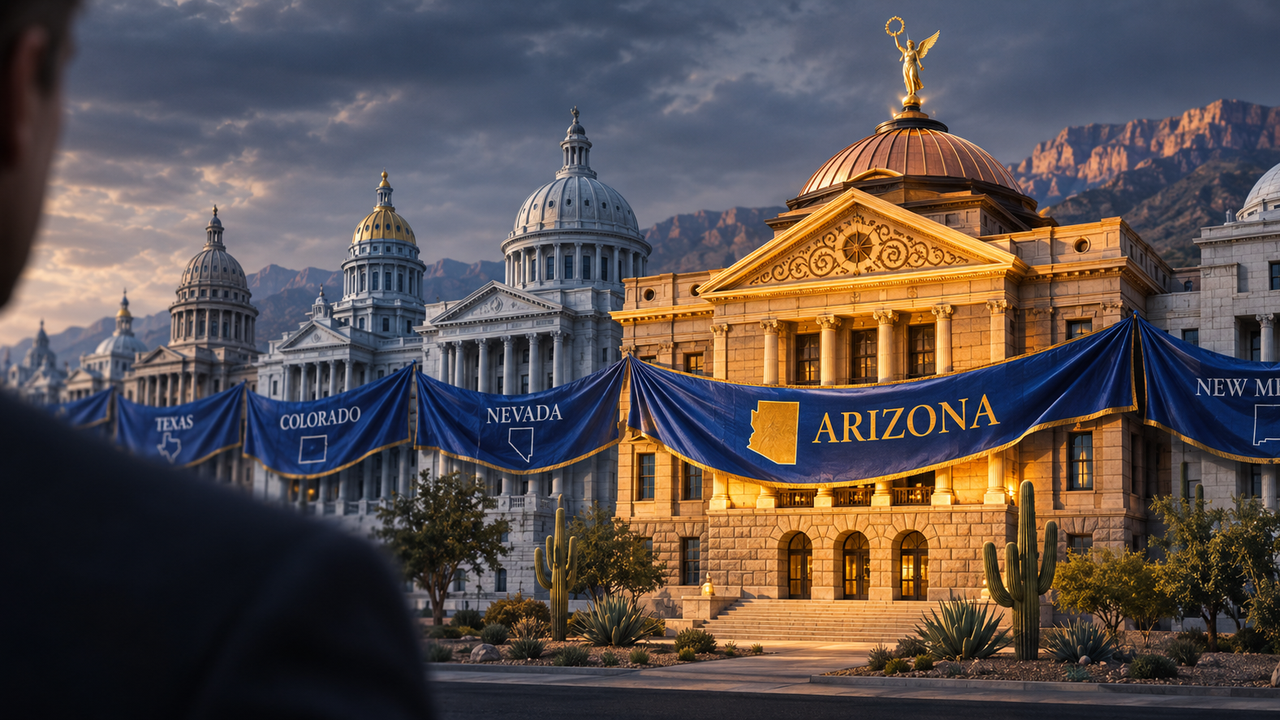
The damage went well past Washington — Democrats dismantled GOP control across statehouses nationwide. In Arizona, Democrats swept governor, secretary of state and attorney general and sit on the edge of flipping both legislative chambers, which would hand them trifecta control for the first time in sixty years. Ron DeSantis called the night "close to an extinction-level event" for the party.
Second Amendment advocates took losses in places they rarely lose, as gun-control-aligned candidates and measures made real gains across traditionally red states during the sweep. The shift means new majorities with the votes to move firearms legislation in states that have blocked it for decades. Expect a fight over preemption laws and permitting in the coming legislative sessions.
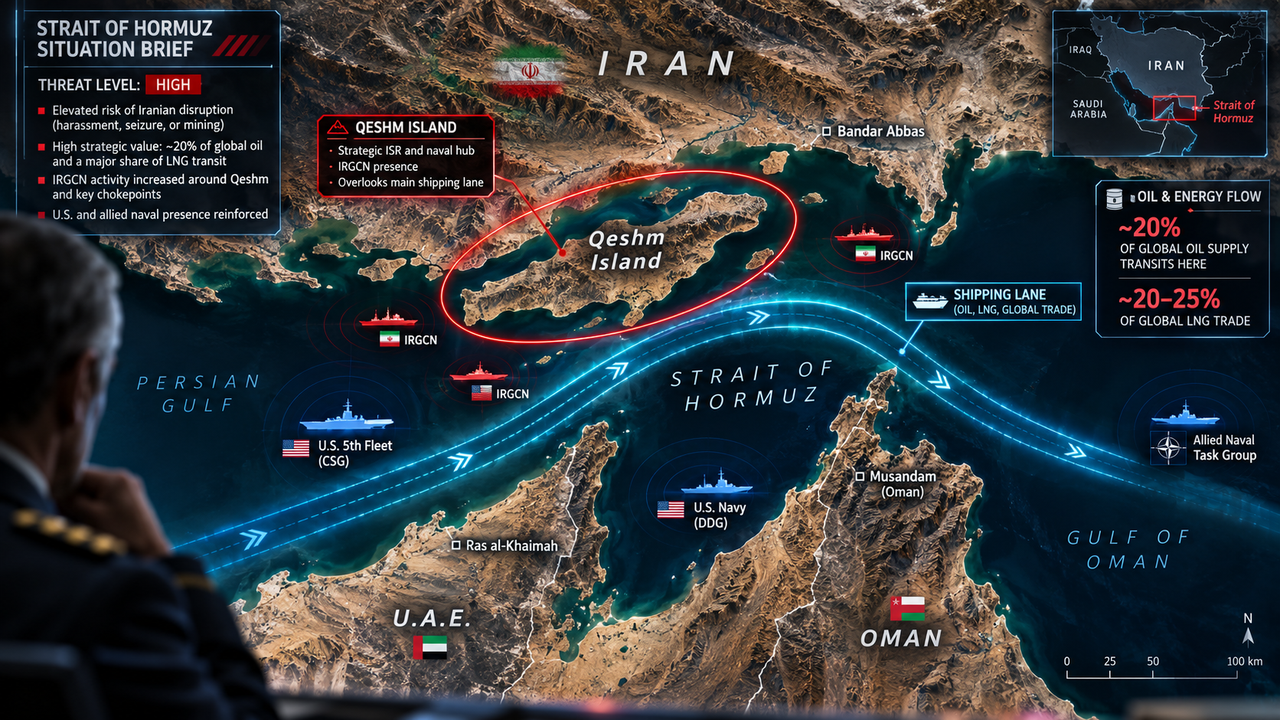
American forces hit Qeshm Island at the mouth of the Strait of Hormuz, home to an underground missile site and an Iranian naval base, in what officials described as limited defensive strikes to stop attacks on shipping. Mediators are still pushing a framework trading an Iranian halt in the Strait for the US lifting its port blockade. Iran's chief negotiator Mohammad Bagher Qalibaf seized on the US election, writing that "Americans said NO TO WAR, and we endorse this message."
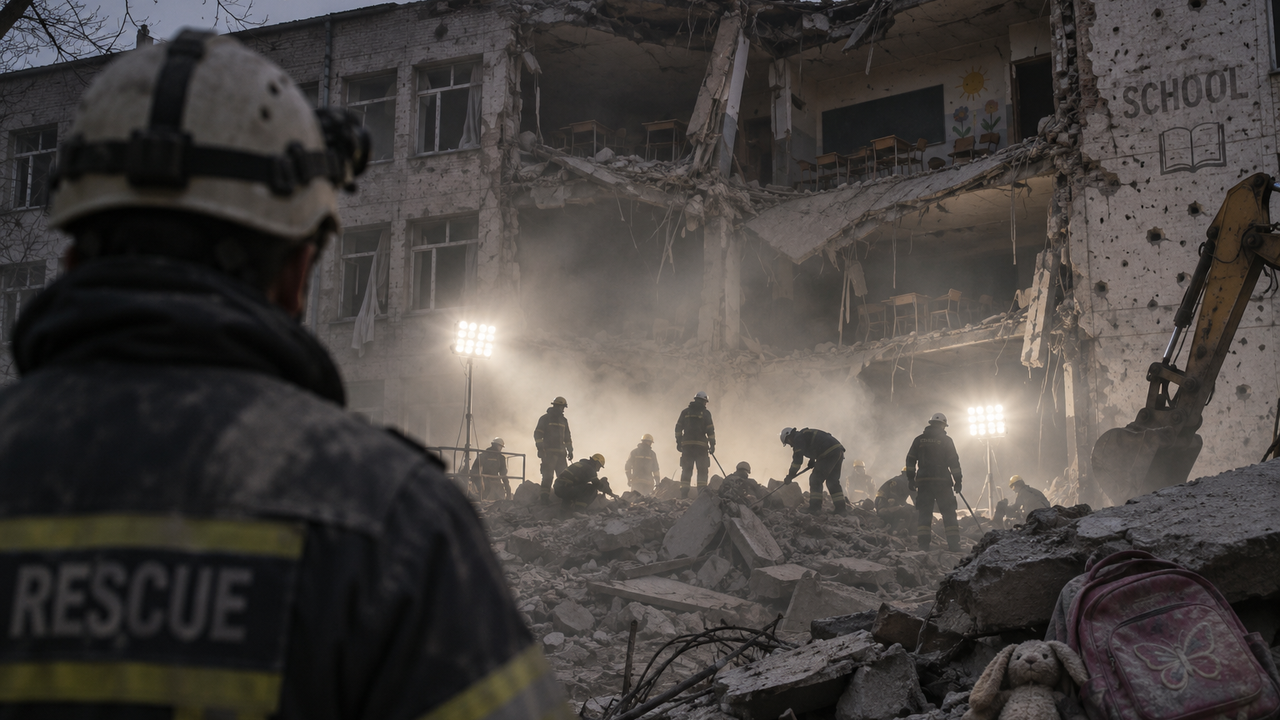
Russian forces dropped nine guided bombs, including KAB-500s and heavier FAB-3000s, on a former school serving as a humanitarian aid center in Komyshuvakha, Zaporizhzhia region, killing at least forty. Rescuers say more than thirty people may still be under the rubble after three days of searching. Zelenskyy said the world had shown "very little reaction" and told Western partners Ukraine needs air defense right now.
World leaders wasted no time weighing in, with European governments betting the new Congress pulls Washington closer to their line on Ukraine. Spain's Pedro Sánchez framed the result as a vote "against hate, against sexism, against climate denial." Beijing played it cooler, with Foreign Ministry spokeswoman Mao Ning calling it a "domestic affair" that won't change China's positions.
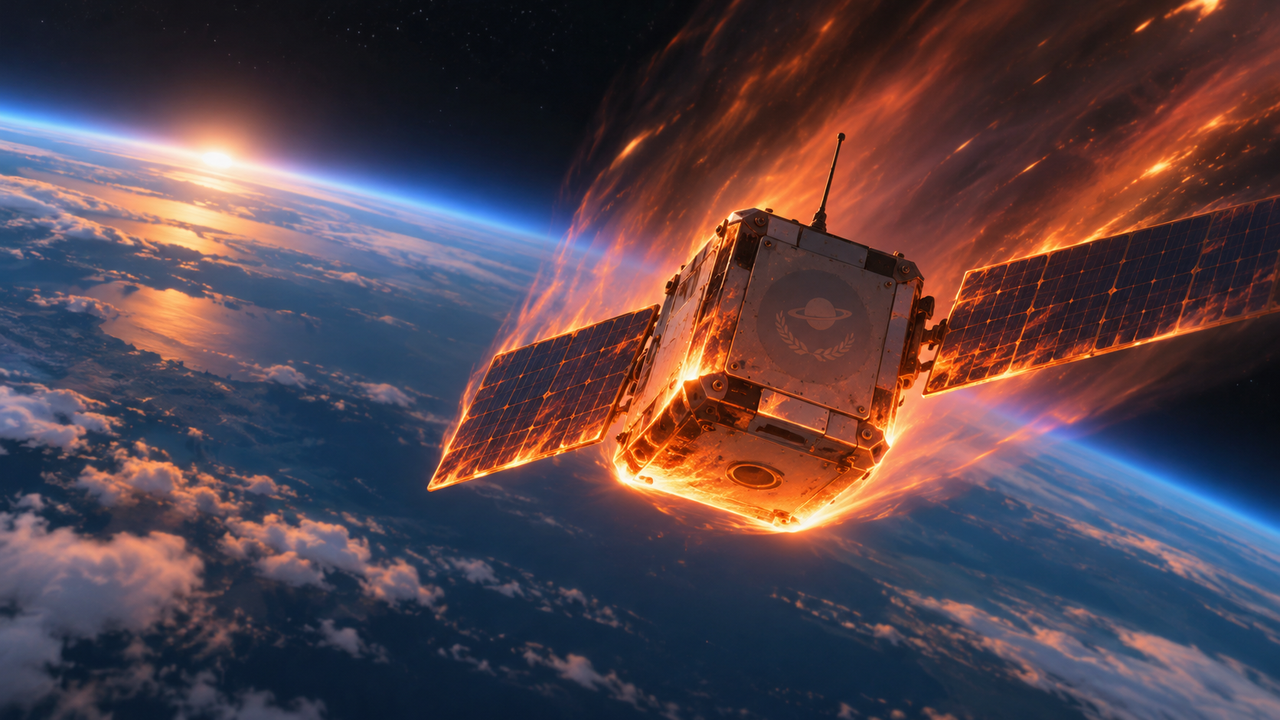
The 3,200-pound gamma-ray hunter was expected to reenter the atmosphere this morning after a rescue attempt failed to save its decaying orbit. Swift launched in 2004 with a two-year prime mission and ran for twenty-one, chronicling the most violent explosions in the universe until rising solar activity dragged it down. It's an unusually long and productive run for a spacecraft that was never supposed to see 2007.
Astronomer Matthew Holman found object 2026 ED138 on October 13 while combing data from the Vera C. Rubin Observatory, and it may rank among the largest dwarf planets ever identified. Estimates put it between 370 and 930 miles across, orbiting roughly 4.3 billion miles from the sun — farther out than Pluto. Confirmation will take follow-up observations to pin down its true size.
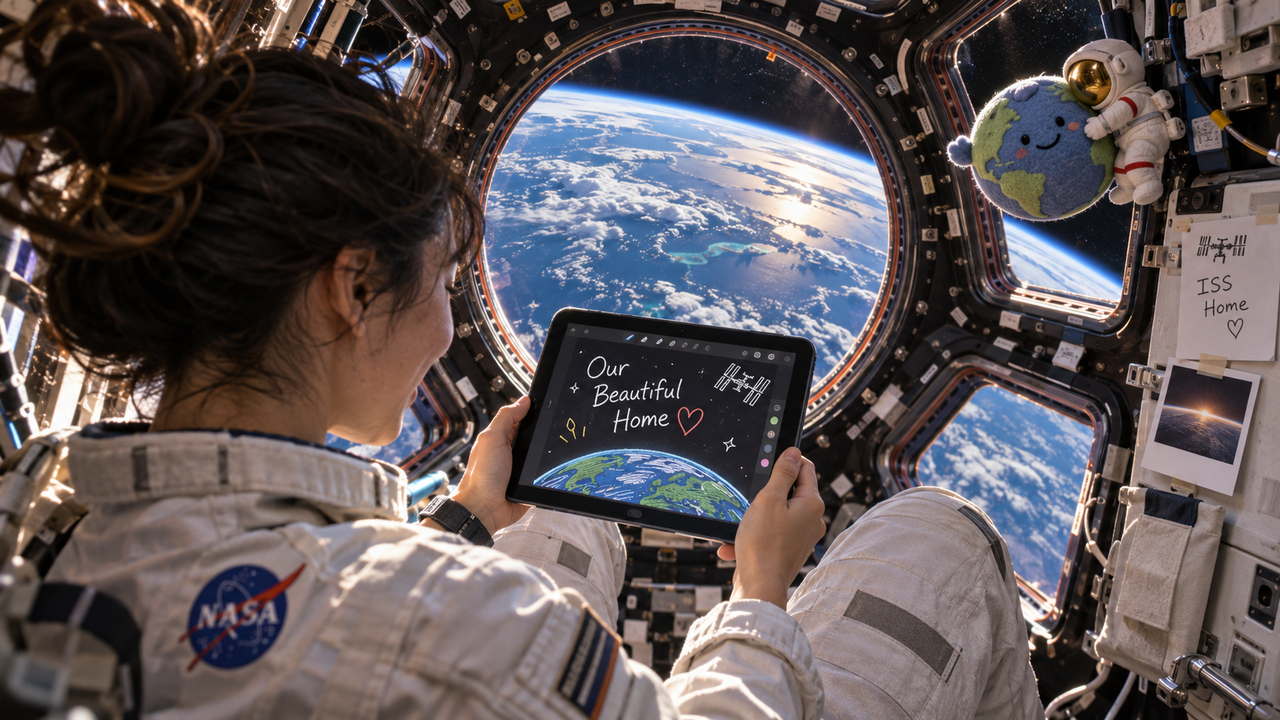
While the rest of America stood in line at the elementary school gym, a NASA astronaut aboard the International Space Station cast a midterm ballot from roughly 250 miles up. Texas law has allowed astronauts to vote from space since 1997, with the encrypted ballot relayed through Mission Control to the county clerk. Hardest-to-reach polling place in the country, and the turnout was one hundred percent.