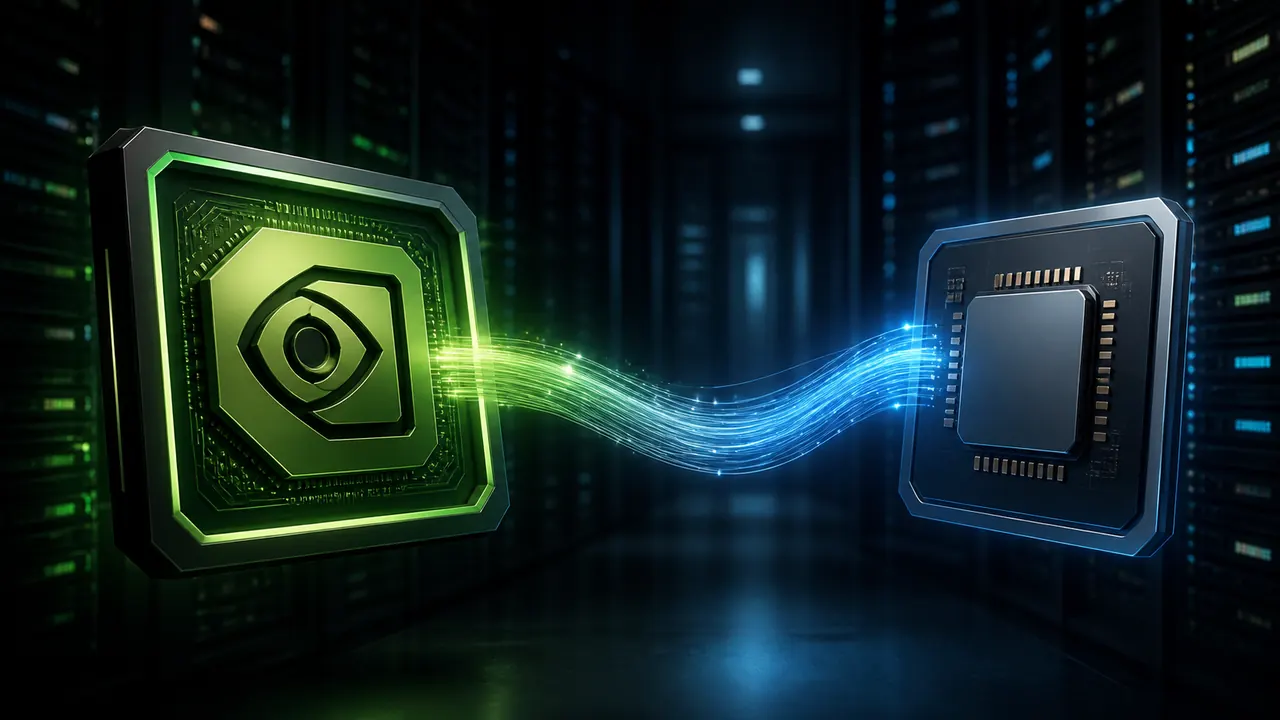
Nvidia is investing $3.5 billion in Taiwanese chipmaker MediaTek via convertible bonds, deepening a partnership spanning cloud AI infrastructure, local AI compute, and automotive. MediaTek will adopt NVLink Fusion, giving hyperscalers a path to build custom XPUs that still plug into Nvidia's rack-scale AI factories. NVDA rose roughly 1.5% Monday — one of the few green mega-caps in a down tape.
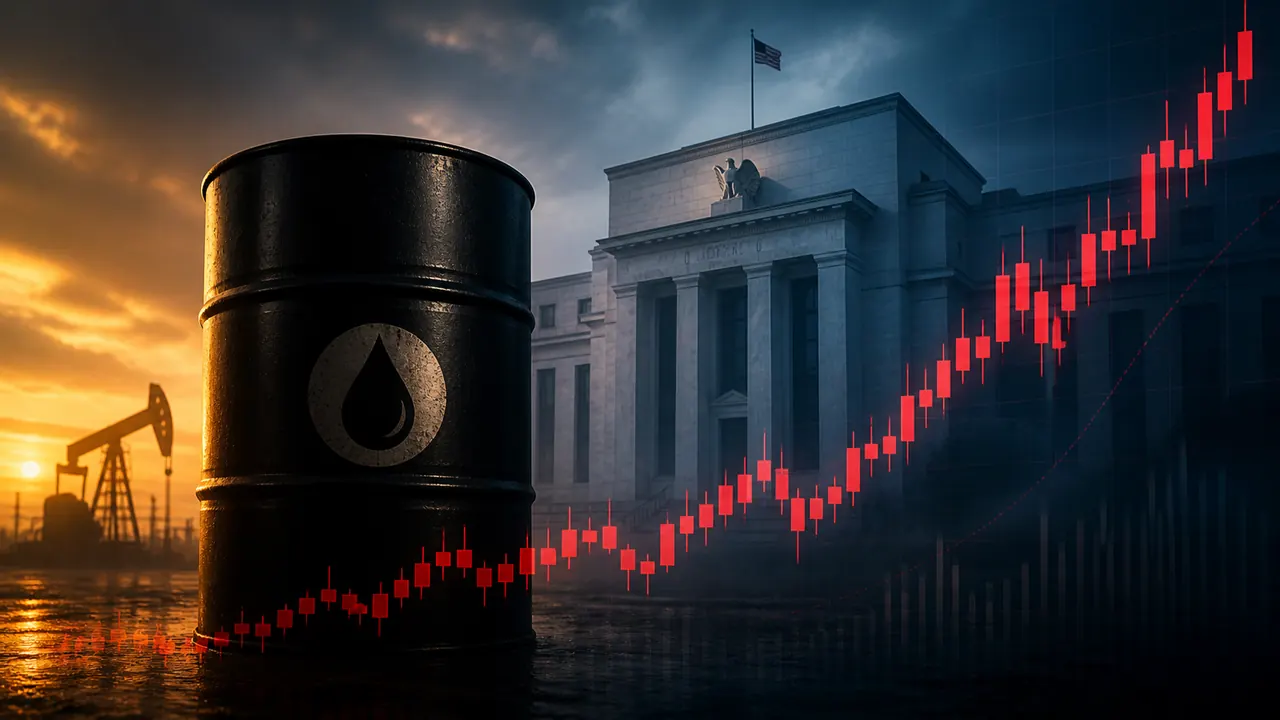
Fed funds futures now price a 65% chance of a September hike, up from about 35% before Chair Warsh's Jackson Hole remarks Friday. WTI jumped nearly 3% to $85.76 and Brent to $90.49 after the US and Iran traded fire. The S&P 500 fell 0.33% to 7,686.14, the Nasdaq slipped 0.12% to 26,370.89, and the Dow shed 374 points to 53,185.90 — though all three still closed August higher.
The FTC, joined by a bipartisan group of 22 states, filed suit Monday alleging Amazon quietly inflated ad auction floors for more than seven years, costing roughly 1.2 million advertisers $20 billion or more. The complaint says Amazon told bidders they'd pay a penny above second place, but charged winners their own bid about 80% of the time. AMZN closed down about 2.5%.
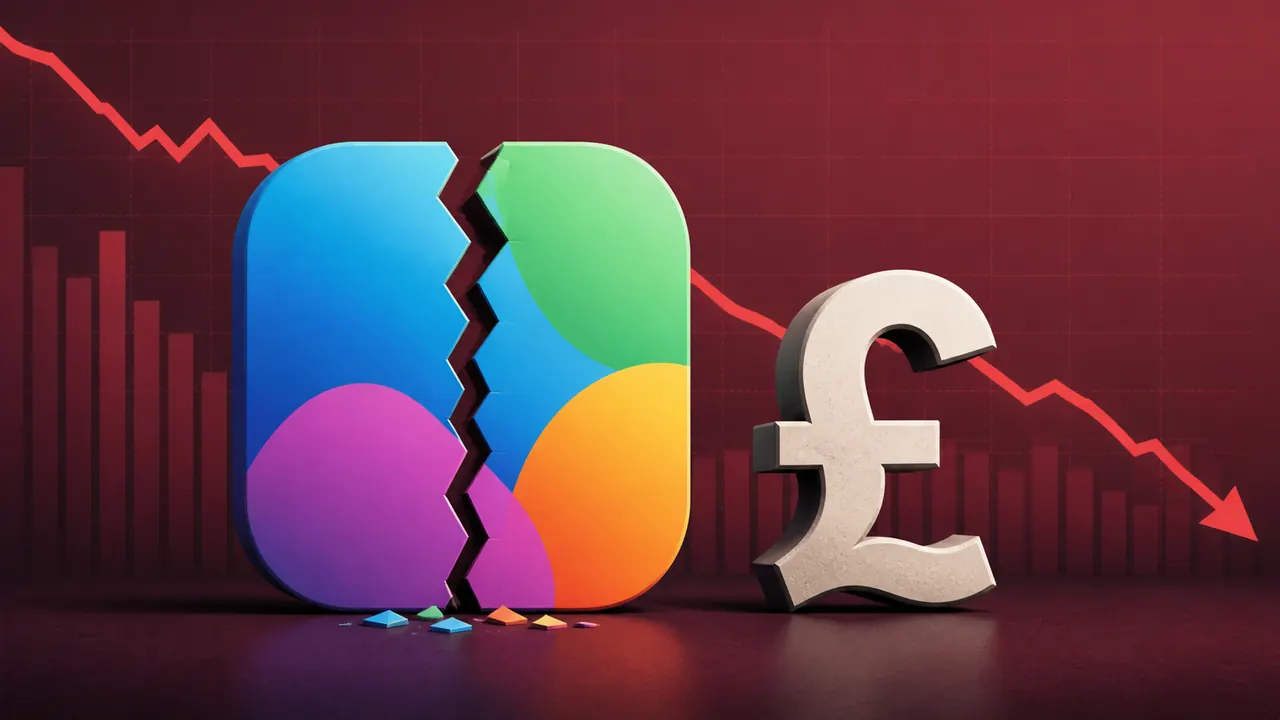
Alphabet agreed to pay £260 million (about $352 million) to settle a UK class action over Play Store commissions. That landed alongside reports that meaningful YouTube creator revenue from newer AI initiatives may not arrive until 2029, plus lingering questions about the AI division leadership shakeup. GOOG fell about 2.2% and was among the biggest drags on the Dow.
Tesla closed at $367.95, up 5.51%, on 60.9 million shares — about 46% above its three-month average. The catalyst is the September 3 Cybercab event in Austin, plus a limited robotaxi approval in Nevada. Musk added fuel over the weekend, talking up surging data-center power demand and saying SpaceX will manufacture gas turbine blades to help meet it.
Governor Andrew Bailey, who also chairs the Financial Stability Board, wrote to G20 finance ministers that frontier AI "may have the ability materially to alter the speed, scale and economics of cyber risk," with concentration in a handful of third-party providers making it system-wide. He flagged that most jurisdictions lack protocols governing model release and deployment. The letter follows reported incidents involving both OpenAI and Anthropic models during security testing.
Rosenblatt and Needham both lifted price forecasts to $300 following fiscal Q2 results, where Marvell posted $0.94 EPS on $2.74 billion revenue, edging consensus of $0.93 and $2.71 billion. The Alphabet agreement gives Google a warrant on nearly 59 million shares at $206.58, with tranches vesting against roughly $120 billion in qualifying revenue through early 2033. Management called the deal "game changing" and said custom AI silicon revenue could run well above current models.
Post-earnings, RBC went to $260, UBS, Rosenblatt, Scotiabank and Needham to $250, DA Davidson to $245, and Morgan Stanley to $238. Revenue came in at $1.47 billion, up 25.8% year over year against $1.44 billion consensus. The bull case has shifted almost entirely to how fast CrowdStrike monetizes AI-driven security workloads.
Bank of America lifted price objectives on a broad software basket, including Workday to $205, Adobe to $220, ServiceNow to $150, and Figma to $33, arguing the "AI eats software" narrative is overdone. Separately, Bernstein raised Microsoft to $660, saying the company is "not building too fast" given demand. Snowflake was also on the list.
Micron traded a $921.00 to $952.99 range Monday, closing around $945.76 and up roughly 220% year to date despite summer volatility. Its high-bandwidth memory capacity is reported sold out for all of 2026, which is the entire bull thesis in one sentence. The 52-week range remains wide at $114.25 to $1,255.00 — a reminder of how violently this one moves.

 AI Stocks