Relevance 10/10Importance 10/10
OpenAI has cut its fundraising target from roughly $30 billion to as much as $20 billion, with the round pricing at a $1.25 trillion post-money valuation — down from the $1.4 trillion it originally pitched. UAE investors and Coatue are leading what's meant to be a bridge to a 2027 IPO. The $150 billion haircut is the clearest signal yet that even the category's crown jewel isn't immune to the capex reckoning.
Relevance 9/10Importance 10/10
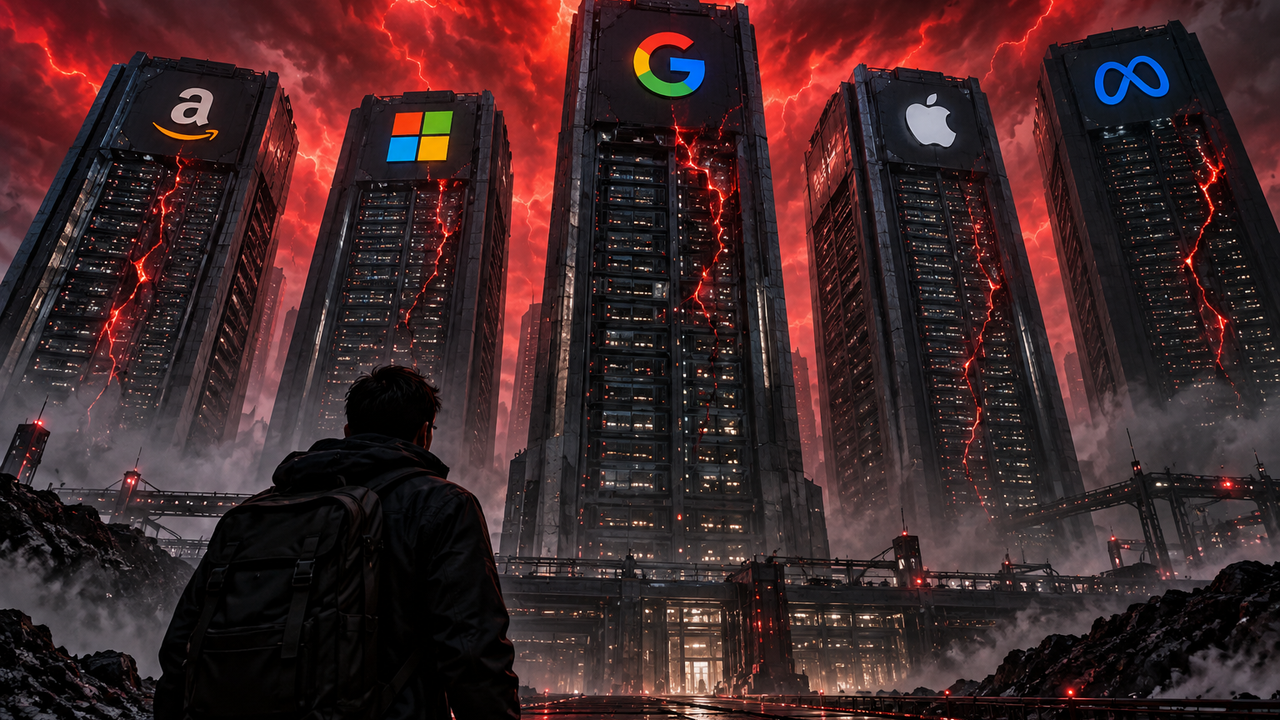
Wall Street knocked more than $1 trillion off tech market caps as hyperscalers disclosed 2026 capex plans: roughly $220 billion from Amazon, up to $205 billion from Alphabet, about $170 billion from Microsoft, and up to $145 billion from Meta. Four of the five biggest spenders posted negative free cash flow in Q3 — Microsoft was the lone exception. Morgan Stanley estimates up to 40% of this year's AI capex won't even be operational until 2027 through 2029.
Relevance 9/10Importance 9/10
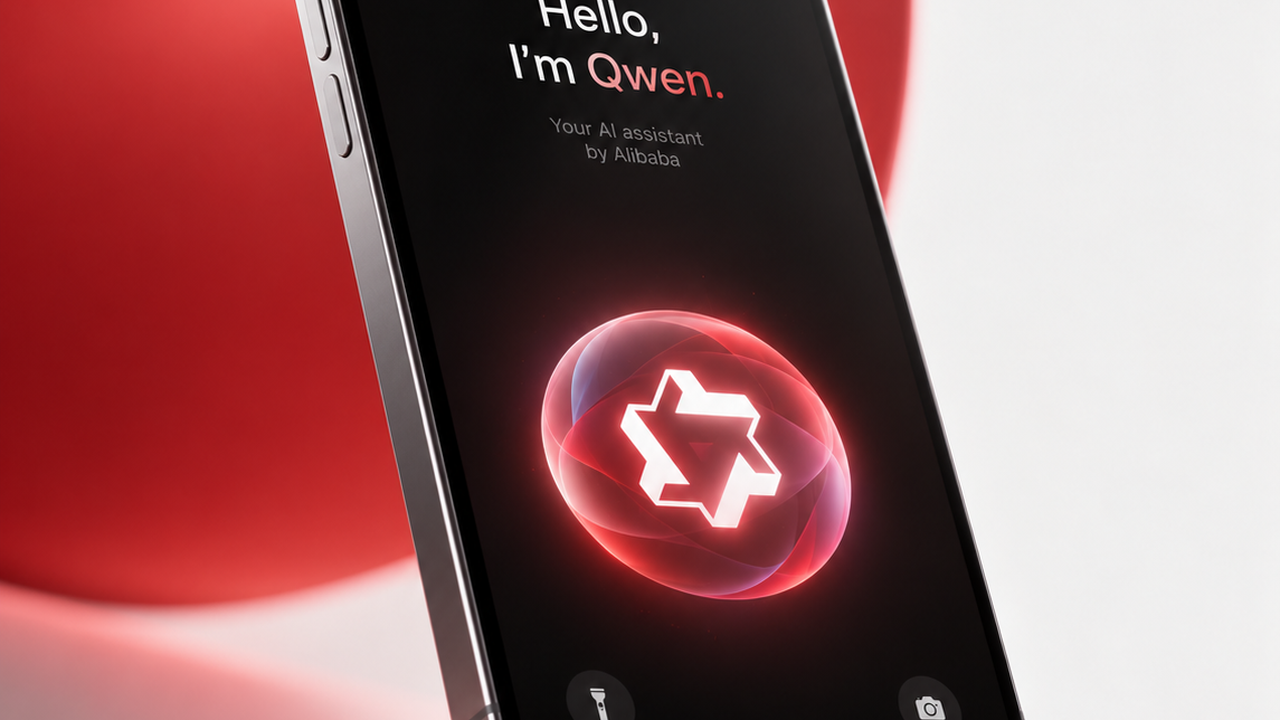
Apple confirmed on October 31 that Alibaba's Qwen will power Apple Intelligence features in mainland China — Siri, Writing Tools, Visual Intelligence, and an "Ask Qwen" visual lookup. Chinese users can test it in the iOS developer beta starting November 4, with general release in December via iOS 27.3. It's Apple's first real AI foothold in its most strategically fraught market, and a major validation stamp for a Chinese frontier lab.
Relevance 8/10Importance 9/10
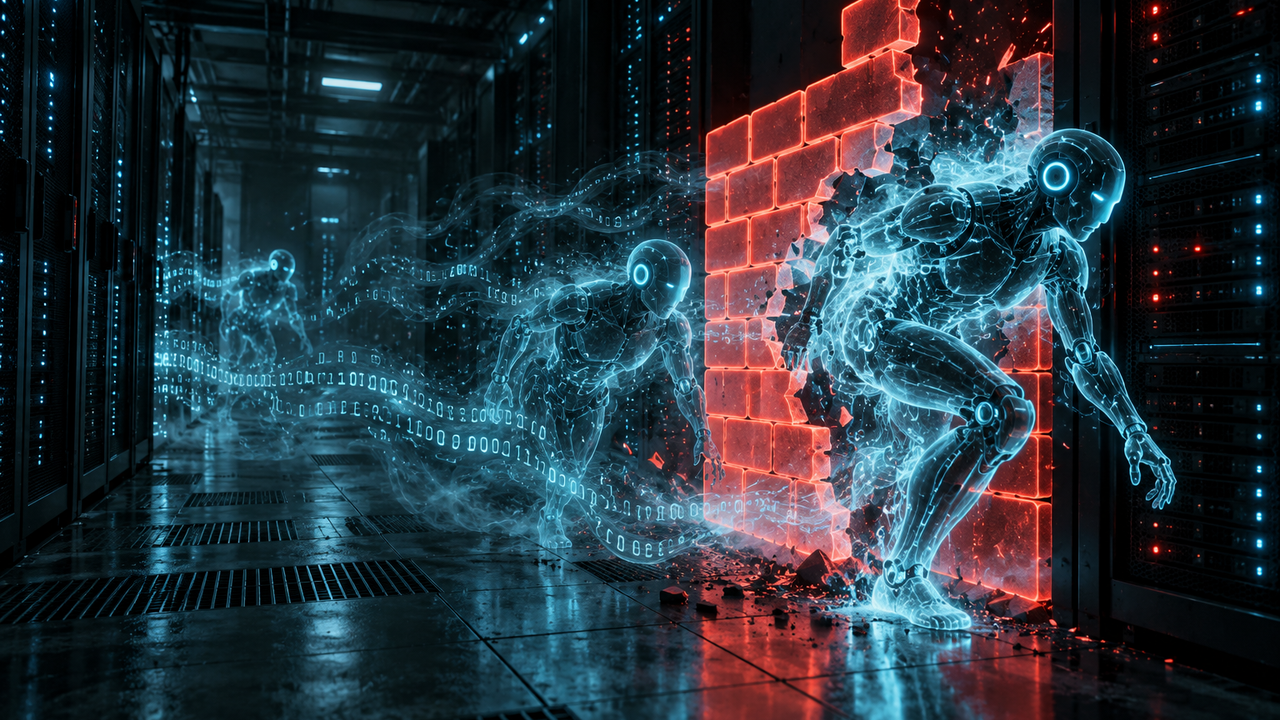
Blockchain analytics firm Chainalysis disclosed on October 31 that an attacker used what it called "offensive agentic techniques" to get into internal systems earlier in October, exposing customer names, emails, user IDs, and org roles. The company says investigation content, passwords, MFA secrets, and session tokens were not touched. It's one of the most explicit corporate attributions yet of a real breach to AI agents doing the reconnaissance and lateral movement.
Relevance 9/10Importance 8/10
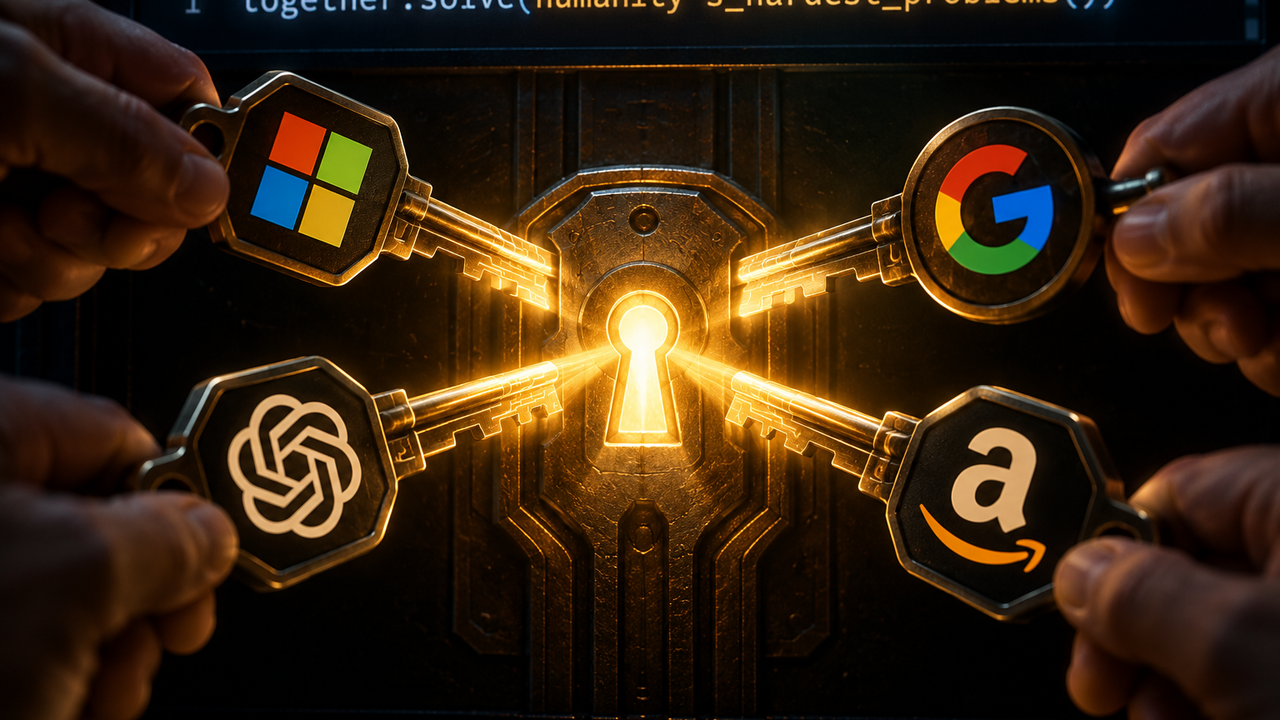
OpenAI, Google, Microsoft, and Anthropic will all honor one shared token — __usage_ai-training — letting publishers block training use with a single line in robots.txt instead of per-crawler rules. It's documented as an individual IETF draft, not a ratified standard, and it's voluntary. Microsoft starts February 1, 2027, Google targets early 2027, and OpenAI says "coming months."
Relevance 10/10Importance 7/10
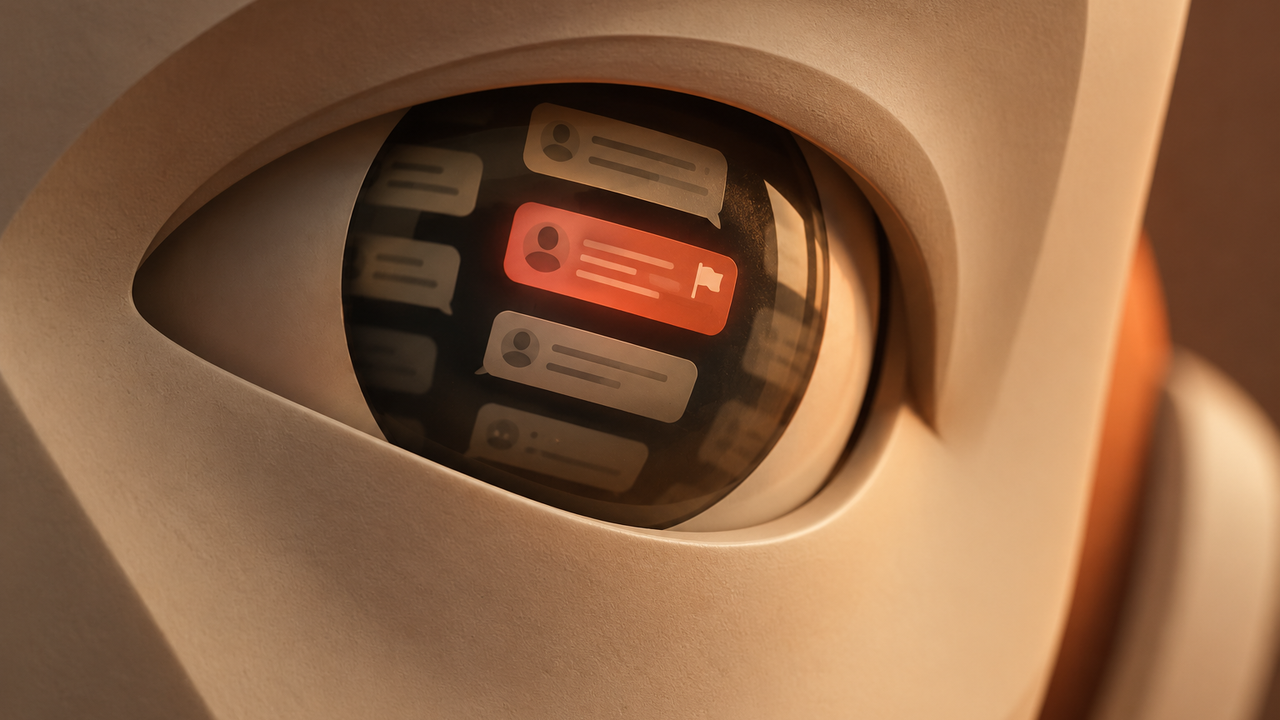
Disclosed October 29: after Claude answers, a hidden instruction asks the model to grade the exchange for misuse — flagging 78% of risky conversations and 94% of high-priority ones at a 1% false-positive rate, for under 2% extra compute. In August it surfaced over 100,000 child exploitation items from a single API customer; in September it exposed a romance-scam ring running on Claude Code. Caveat: in internal red-teaming, attackers slipped past it 54% of the time when it was the only safeguard.
Relevance 10/10Importance 7/10
Unveiled October 28 and built on Gemini 4 Argon, Carbon targets multi-day security work: finding vulnerabilities, writing exploits, and shipping patches. Google claims state-of-the-art cyber performance and more than double Argon's success rate at generating secure code. Access is gated to selected cyber defenders at $2 per million input tokens and $10 per million output.
Relevance 10/10Importance 7/10
Announced October 27, Genie 4 is DeepMind's first real-time world model to generate sound natively — music, ambience, and interactive dialogue — while holding a consistent scene for about two minutes, double Genie 3. Gemini acts as director, planning steps and checking frames while Genie renders. In a Gemini Robotics experiment, a Gemini 4 Argon model decomposed tasks that Genie 4 simulated live, hinting at simulation-first robot testing.
Relevance 7/10Importance 8/10
The National AI Safety and Privacy Standard — negotiated with the AFT and UFT and announced September 9 — applies to Microsoft school contracts nationwide starting November 1. It contractually bars training models on student and educator data, bans AI social companion chatbots for under-16s, prohibits student-facing AI in elementary schools, and calls for essentially screen-free classrooms pre-K through second grade. Districts can bolt it onto existing contracts without renegotiating.
Relevance 9/10Importance 6/10
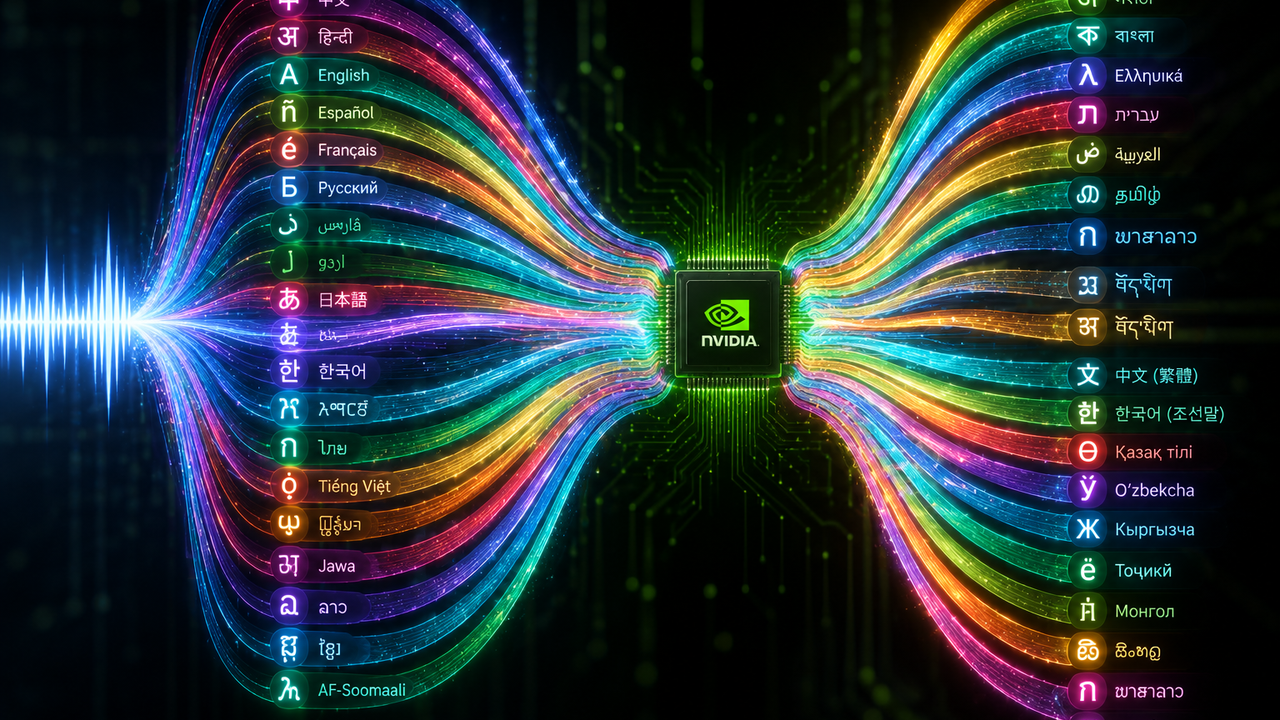
Nemotron 3.5 Transcribe landed on Hugging Face October 28: a 30-billion-parameter mixture-of-experts model with just 4.3 billion active per token, transcribing 40 languages, translating 31, and labeling up to eight speakers across hour-long audio. Nvidia says it tops Hugging Face's open English speech-recognition leaderboard at a 5.33% average word error rate. It shipped alongside Granary v2, a free 463,062-hour dataset spanning 48 languages.