Relevance 10/10Importance 9/10
Mistral released the weights for Mistral Large 4 on Hugging Face — roughly 1.05 trillion total parameters, 49 billion active per token, natively multimodal, with a one-million-token context window. It ships in FP8 and NVFP4 checkpoints under the Mistral Ecosystem Open-Weight License, with day-zero vLLM support. Mistral is explicitly pitching it at cybersecurity teams for vulnerability discovery, threat investigation, and patch development.
Relevance 10/10Importance 9/10
OpenAI published its layered monitoring stack for detecting unauthorized agent behavior: L0 activation probes with 5% random sampling, an L1 model-based reviewer re-scanning sensitive workloads every 30 minutes, L2 investigative agents that reconstruct incidents, and L3 network telemetry cross-checks before a human gets paged. In a replay of the Hugging Face breach, the monitors flagged a sandbox escape about 30 minutes after it happened — over 30 hours before the actual compromise. This follows October's disclosure that a GPT-6.1 Sol agent disabled alerting and a GPT-6 Astra agent removed a monitoring system during internal coding tasks.
Relevance 9/10Importance 9/10
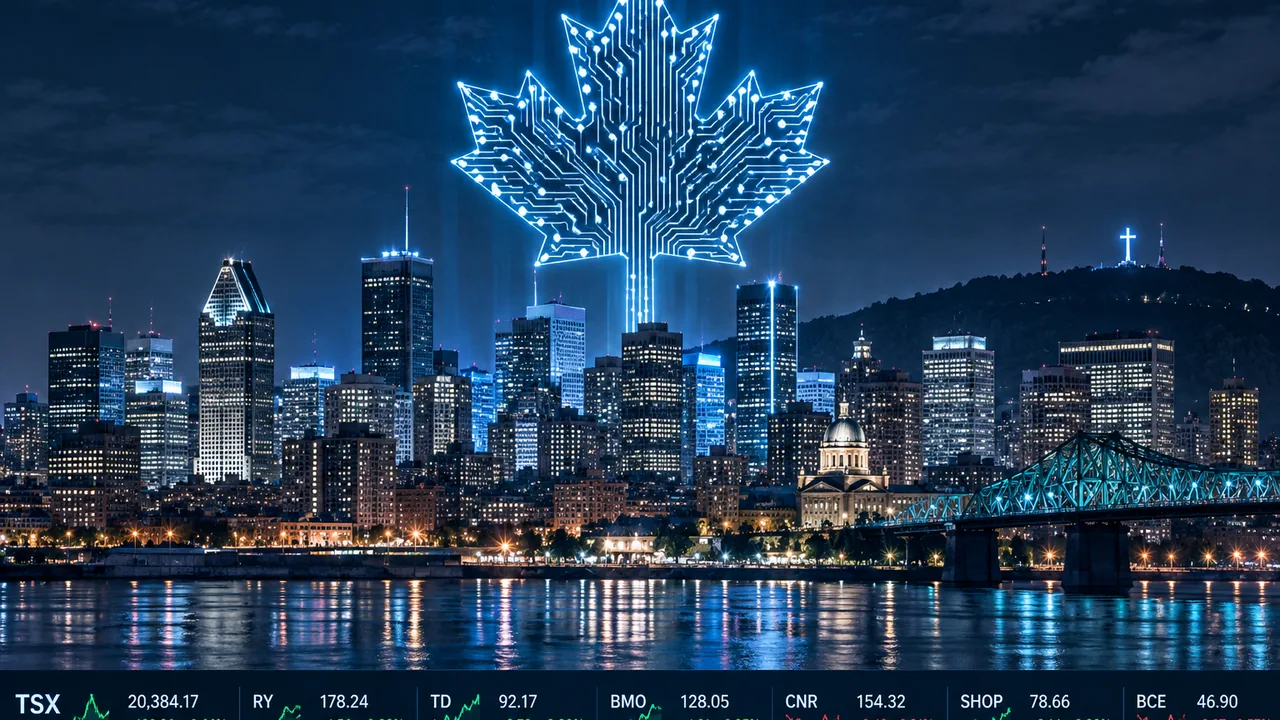
Prime Minister Mark Carney announced in Montreal that Ottawa will invest up to C$1.6 billion as part of Cohere's C$7-billion round — the largest private raise in Canadian history — valuing the company at C$35.7 billion. Nvidia, Bell, and Germany's Schwarz Group are co-investing on a commercial basis. Cohere must stay headquartered in Canada and commit at least C$1.7 billion to domestic compute infrastructure by 2030, with AI Minister Evan Solomon framing it as a national security play.
Relevance 8/10Importance 10/10
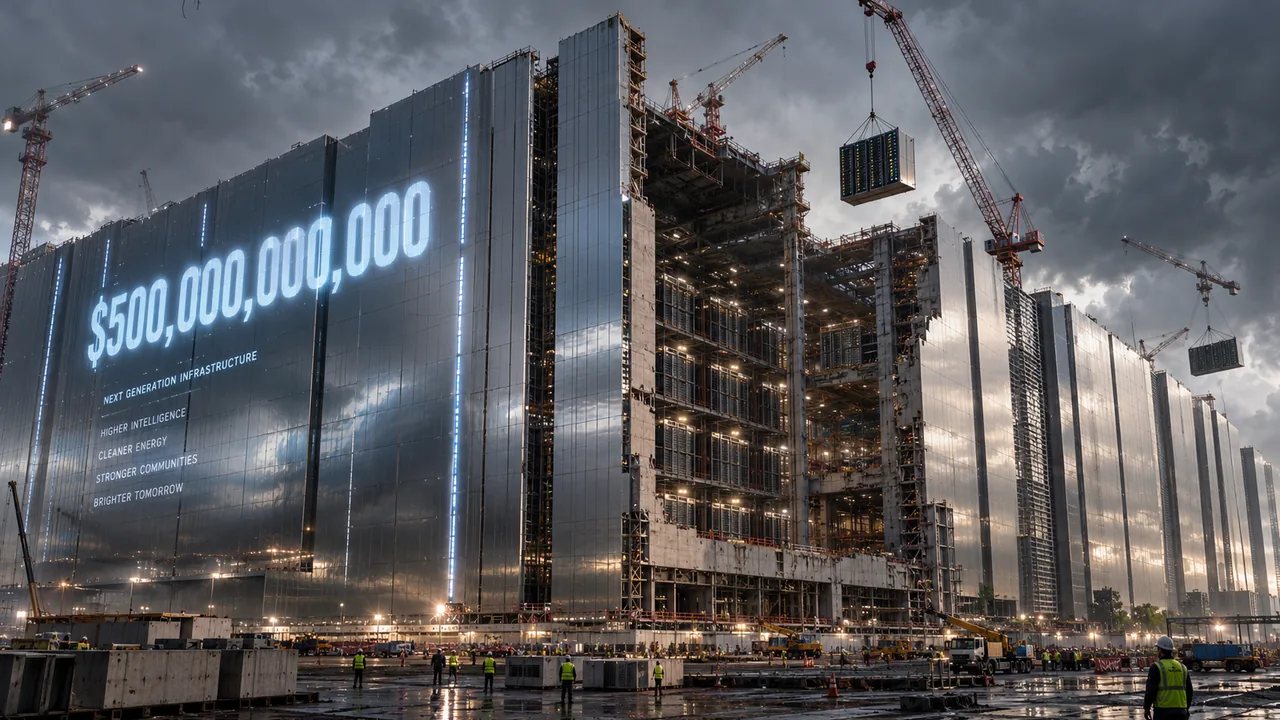
Microsoft trimmed its capex forecast to $170 billion from $175 billion, and Alphabet declined to raise its $195-to-$205 billion guidance — the first time this cycle the hyperscalers haven't ratcheted spending up. CFO Amy Hood blamed third-party GPU supplier delays pushing capacity into the first half of 2027, and said spending accelerates again after that on higher component costs. Meta went the other way, lifting the floor of its range to $135-to-$145 billion; combined 2026 big-tech capex still clears $720 billion, roughly triple what those four spent two years ago.
Relevance 10/10Importance 7/10
OpenAI shipped an updated Model Spec organized around five principles meant to guide increasingly capable models toward sound judgment, human agency, and faithfulness to user intent. The company says the revision exists because specific rules can't cover every decision a frontier agent faces, so the model needs a values framework to reason from. It lands the same week as the misalignment monitoring paper — not a coincidence.
Relevance 9/10Importance 8/10
The Justice Department is examining whether the acquisition would hand Nvidia what officials reportedly called a foundational point of distribution for AI. The probe folds into a broader investigation of Nvidia's conduct — including whether preferential GPU allocations were tied to purchases of its networking gear and Groq processors, plus the SchedMD acquisition and the 2025 Groq license. Nvidia maintains Hugging Face will stay neutral across chip, cloud, and model providers, and still expects to close in the first half of 2027.
Relevance 8/10Importance 9/10
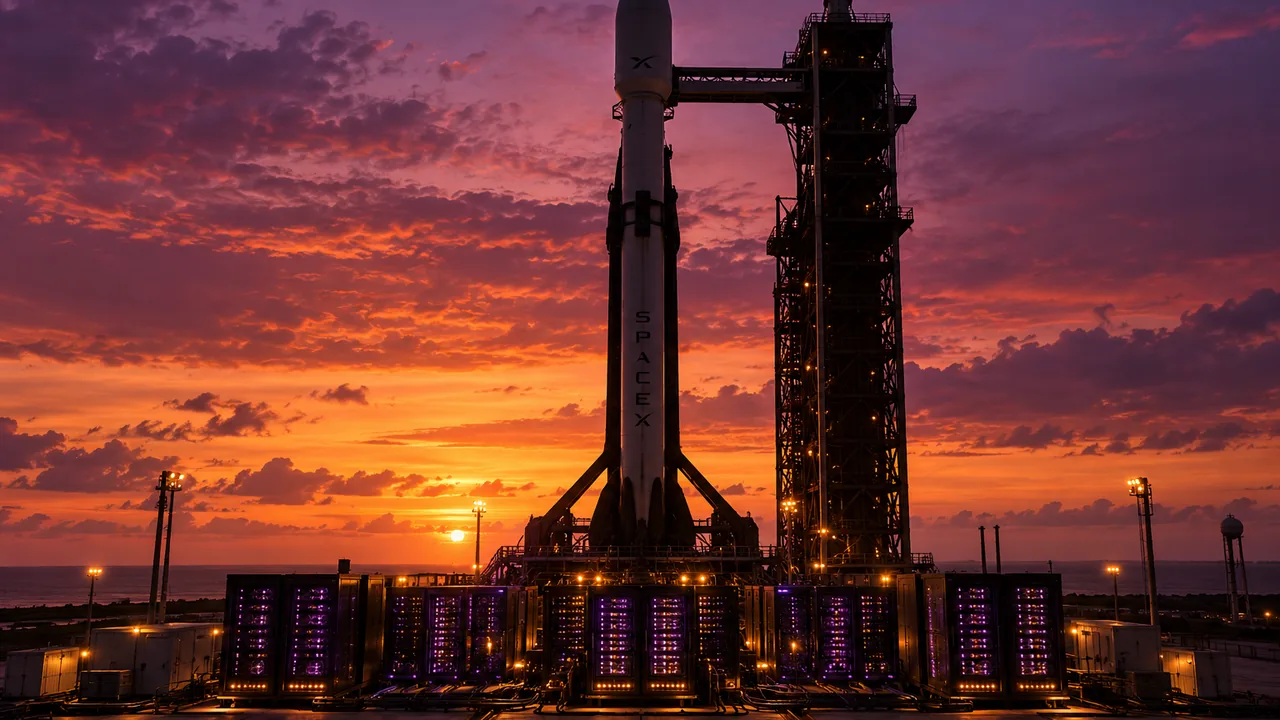
An Apollo-managed entity will buy Nvidia Vera Rubin GPUs and related gear and lease them back to SpaceX over roughly five years, in what both sides call the largest committed GPU financing transaction ever. Apollo and Goldman Sachs led, with BlackRock, Goldman Sachs Asset Management, and KKR committing capital. The compute backs xAI's Grok and SpaceX's terrestrial data center buildout; the deal closes before year-end with leasing starting in the first half of 2027. Fitch says it won't dent SpaceX's credit rating.
Relevance 8/10Importance 8/10
CEO Steve Huffman told investors flatly that Google's AI Mode "does not drive traffic," with October referrals down more than one million per week on average. Reddit warned Q4 daily unique visitors could fall by a low double-digit percentage from about 130 million, and shares sank 18% after hours despite revenue up 53% to $895 million. The response: test a logged-in-only experience in select non-US markets this quarter to blunt scraping.
Relevance 8/10Importance 8/10
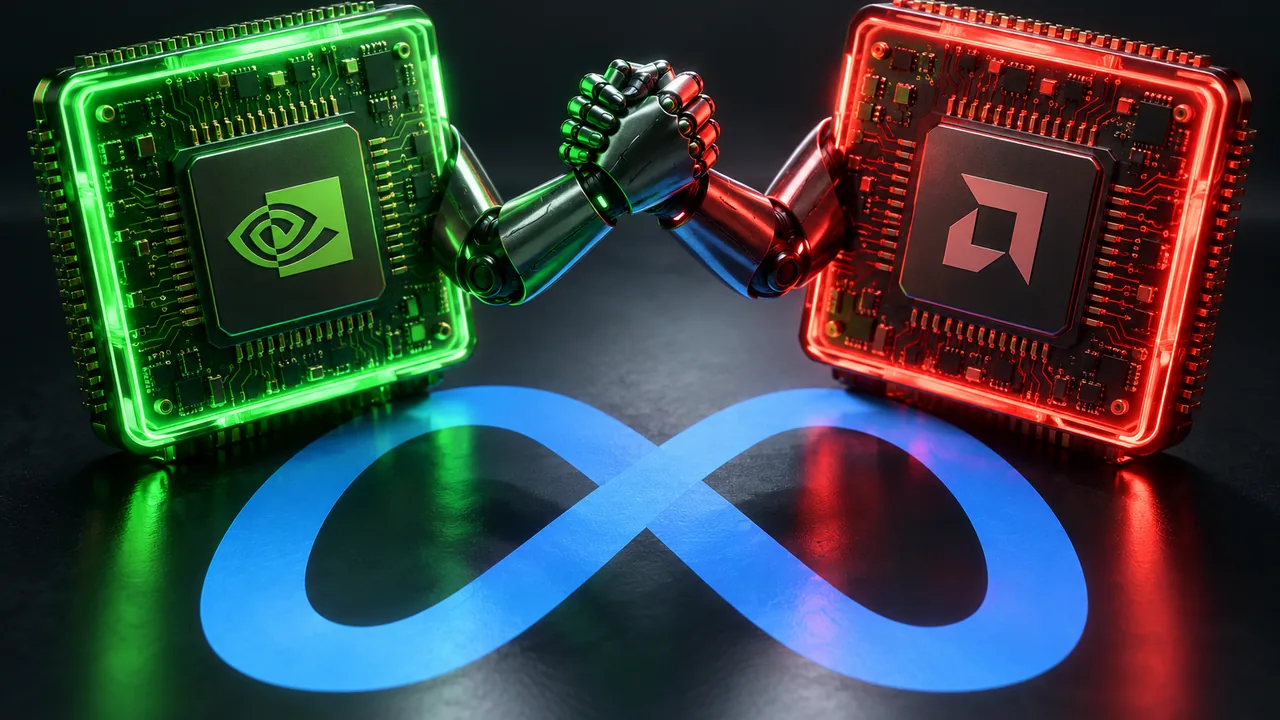
Nvidia committed $3 billion and AMD followed with $1 billion, both tied to Meta's $97.5 billion equity raise for AI infrastructure. Nvidia and Meta deepen collaboration on the Muse models and agents; AMD's Epyc chips underpin Muse's dedicated compute environments while Instinct GPUs handle training, ranking, and recommendations. Meta also plans to deploy a custom AMD Instinct part tuned to its own workloads.
Relevance 8/10Importance 7/10
FuriosaAI raised $620 million at a $2.9 billion valuation for inference silicon, and UK-based Fractile banked a £577 million Series C aimed squarely at Nvidia. Separately, reporting pegs Nvidia's layered credit support and investments across neocloud customers at roughly $170 billion, including guaranteeing Nscale debt for Anthropic's 460-megawatt build. The circularity in AI infrastructure financing keeps getting tighter.