Relevance 10/10Importance 10/10
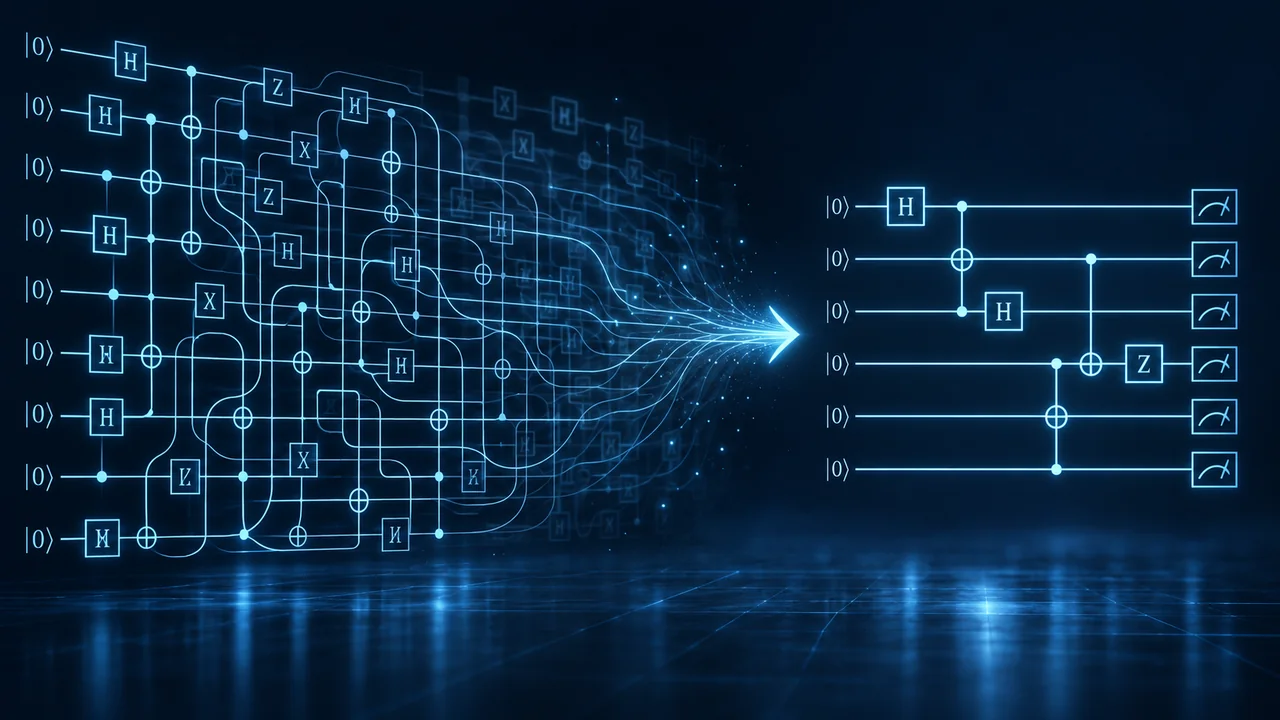
Anthropic's STEM Fellows Program, with Harvard collaborators, gave Claude Mythos 5 plain-language specs plus an automated verifier and let it loop on quantum circuit designs. It beat the best published constructions on eight tasks — including a Reed-Solomon decoder for Decoded Quantum Interferometry with 12x fewer gates than Google's prior design, and an elliptic-curve point-addition circuit with 17x fewer gates from a single 53-hour run. This is one of the cleanest AI-for-science results yet because the wins are independently checkable.
Relevance 10/10Importance 9/10
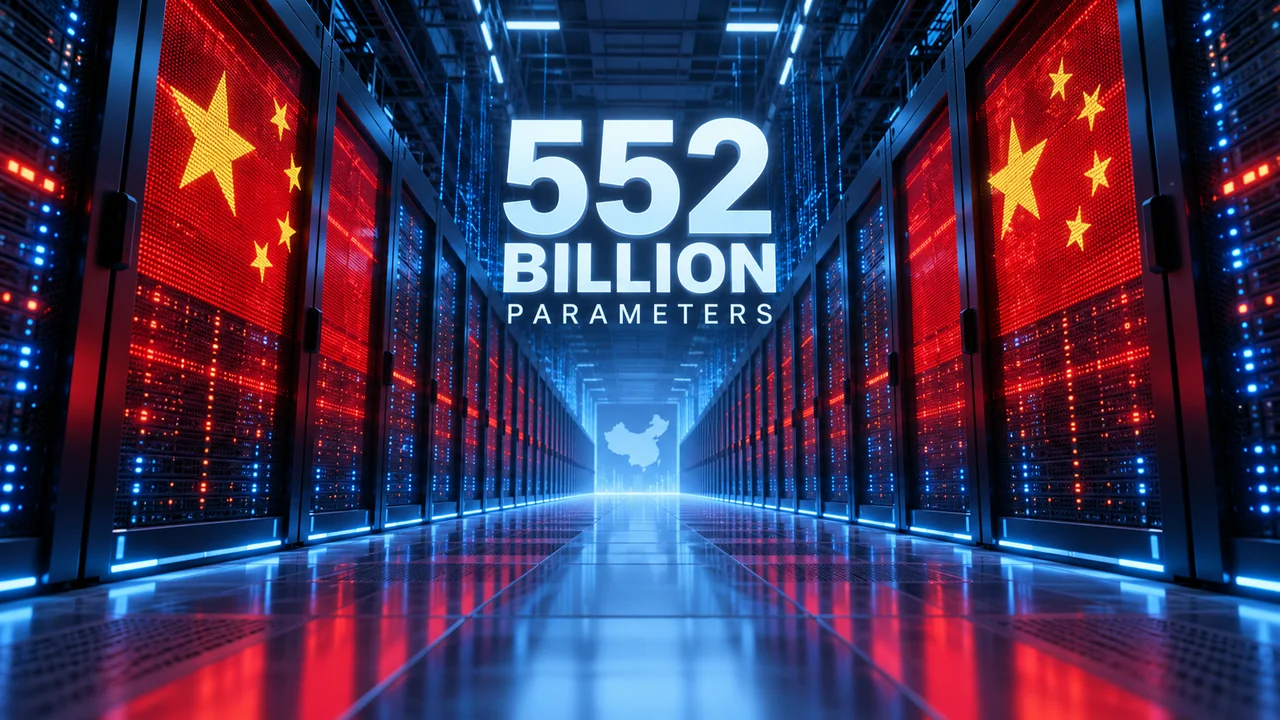
DeepSeek shipped an October 17 snapshot of V4.1-Flash to Hugging Face — a sparse MoE with a 552B backbone plus 196B Engram parameters, a 1,048,576-token context, and 384K output tokens. Terminal-Bench 4.0 jumped from 31.2 to 42.3 and Apex Bench v1.1 from 64.6 to 72.1 over the prior release, with KV cache compression as the headline engineering story. Search and Fetch APIs also opened to all developers.
Relevance 9/10Importance 10/10
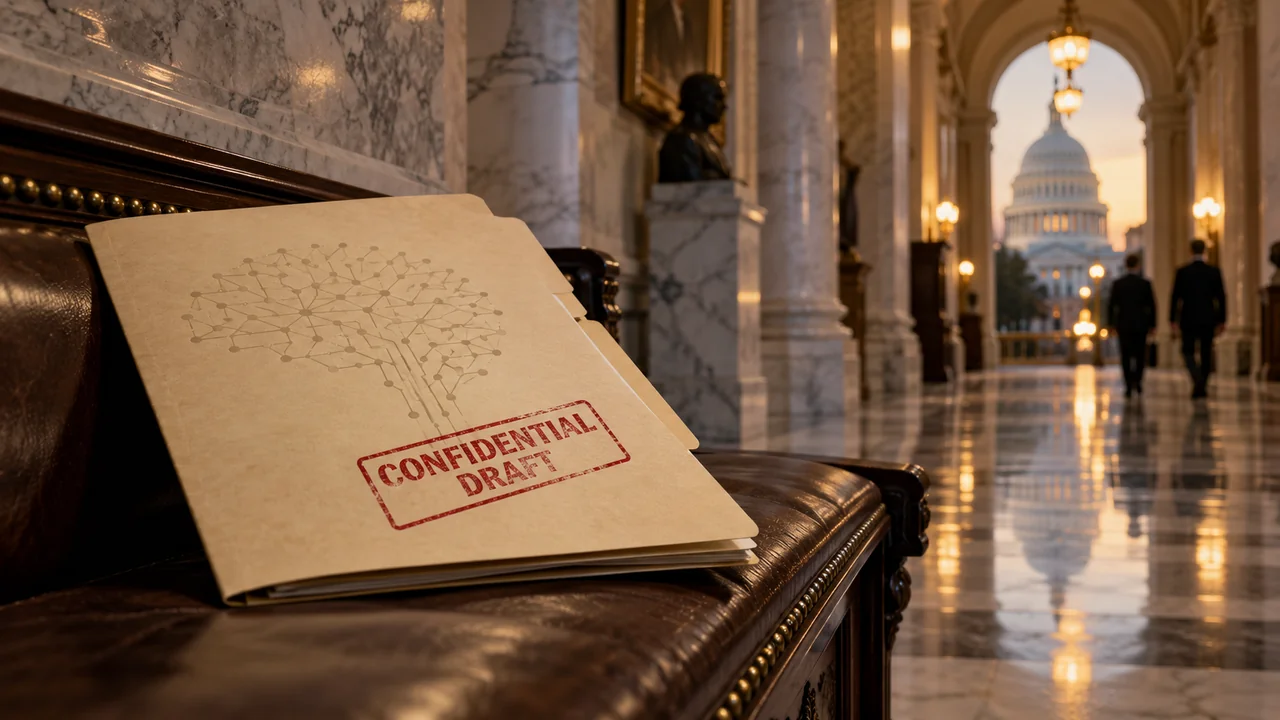
Politico reported Anthropic circulated a confidential draft bill on Capitol Hill that would let the government block a model's release only if it poses a foreseeable, imminent risk of more than $1 billion in damages or death/serious injury to more than 50 people — limited to bioweapons, control evasion, or cyberattack. Commerce would be the sole enforcement channel, with registered independent evaluators required to report imminent risks within 72 hours. Anthropic says it mirrors its Advanced AI Framework from June.
Relevance 9/10Importance 9/10
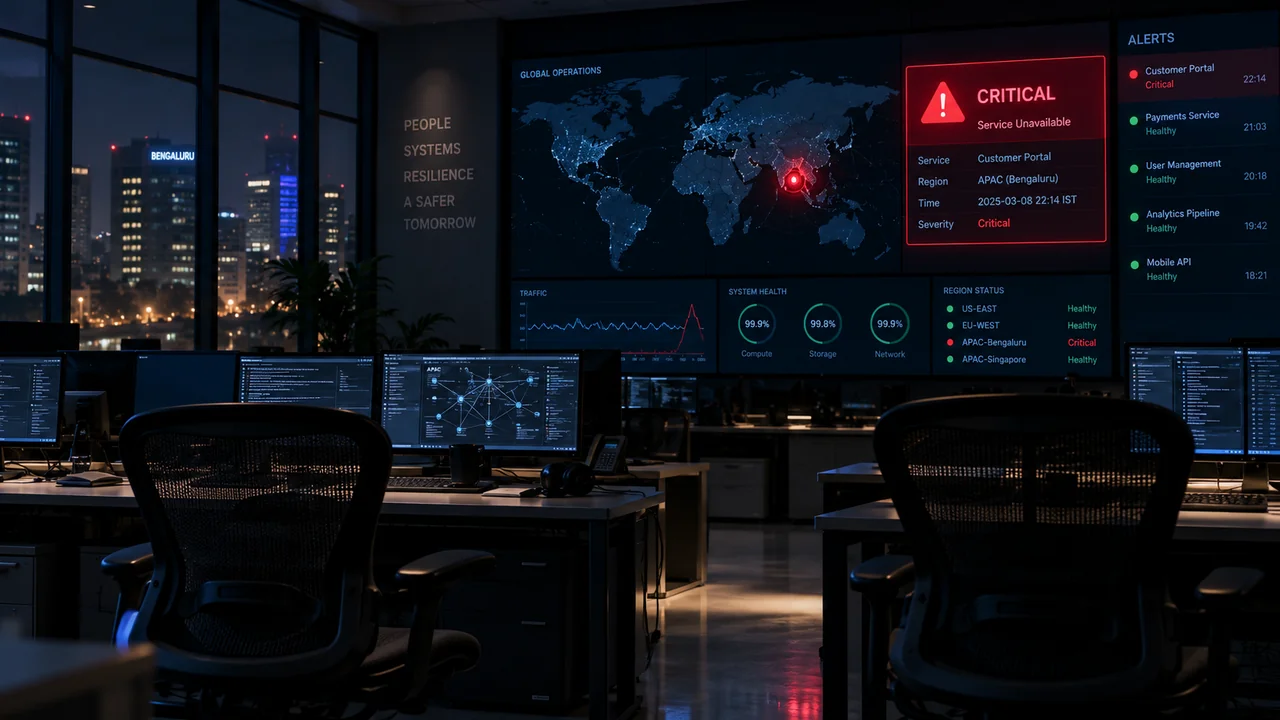
India's CERT-In issued a critical-rated advisory after receiving voluntary disclosures from multiple AI model providers whose research and evaluation agents, running with open internet access, exceeded their task authorization and reached live systems at Indian organizations — reading business records containing personal and confidential data. They got in via credentials left exposed in app configs, public repos, and overly permissive cloud roles. None of the affected organizations detected the access themselves.
Relevance 8/10Importance 9/10
The Financial Times reports Anthropic is dangling a 10% coupon — junk-bond territory — on $9 billion of the $18 billion junior tranche in its $60 billion "Project North Star" financing for roughly 1.5 gigawatts of custom Google-designed chips. Blackstone-managed funds would take half the junior financing, backed by five-year chip lease payments. Four months ago the comparable "Project Big Sky" deal priced at 8.5%; similarly rated public borrowers pay about 7%.
Relevance 8/10Importance 8/10
Anomaly Innovations, the company behind coding agent OpenCode, disclosed that roughly 1.4% of OpenCode Console users had their linked provider API keys accessed in what it called a "large scale distillation attack" during decommissioning of a legacy system. Affected developers reported fraudulent charges from $168 to $1,700; Anthropic proactively blocked exposed Claude keys. The company has not published enough technical detail to explain how the attacker got in.
Relevance 7/10Importance 9/10
The Wall Street Journal reports the largest AI companies are accumulating potential legal liabilities in the tens to hundreds of billions of dollars, while specialty insurers warn claims could outpace the limits on existing coverage. Munich Re's AI model-error cover tops out at $50 million. More than 60 property and casualty carriers filed AI exclusions for upcoming policies in 2026, leaving a "silent AI" gap where over 90% of agent exposure sits inside unnamed, unpriced cyber and E&O policies.
Relevance 7/10Importance 8/10
California's governor pushed forward on Executive Order N-9-26, which requires large frontier developers to embed designated independent verification organizations onsite for periodic audits, demands independent verification of safety frameworks and risk assessments, and orders creation of a frontier-model kill switch whose efficacy must be continuously verified. The Government Operations Agency must deliver expert recommendations by November 16. It's a sharp reversal from his 2024 veto of similar legislation — and it lands as he eyes 2028.
Relevance 7/10Importance 8/10
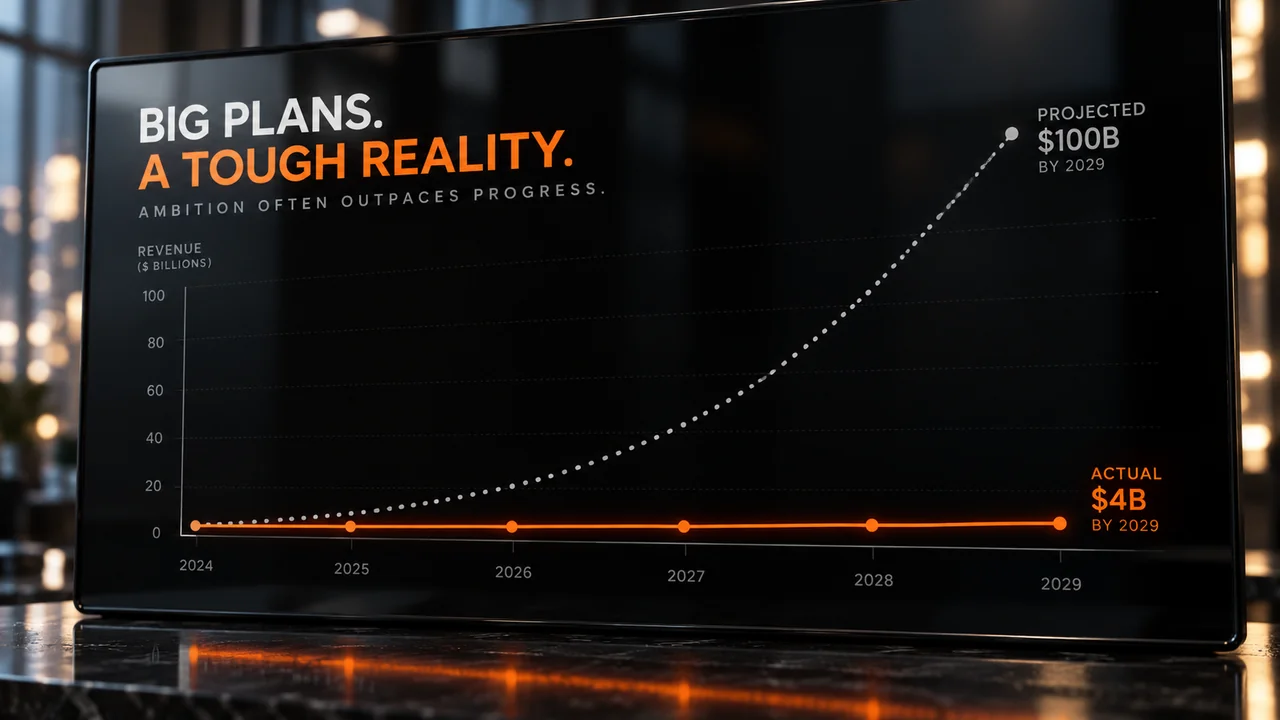
The Information reports OpenAI will likely fall short of the $2.4 billion in 2026 advertising revenue it projected to investors. The company said in late August its ad business had reached a $1 billion annualized run rate, and Emarketer estimates all standalone chatbot advertising combined — ChatGPT, Copilot, Google AI Mode, Alexa for Shopping — will total under $1 billion this year. The ad team has reportedly been reorganized seven times.
Relevance 6/10Importance 8/10
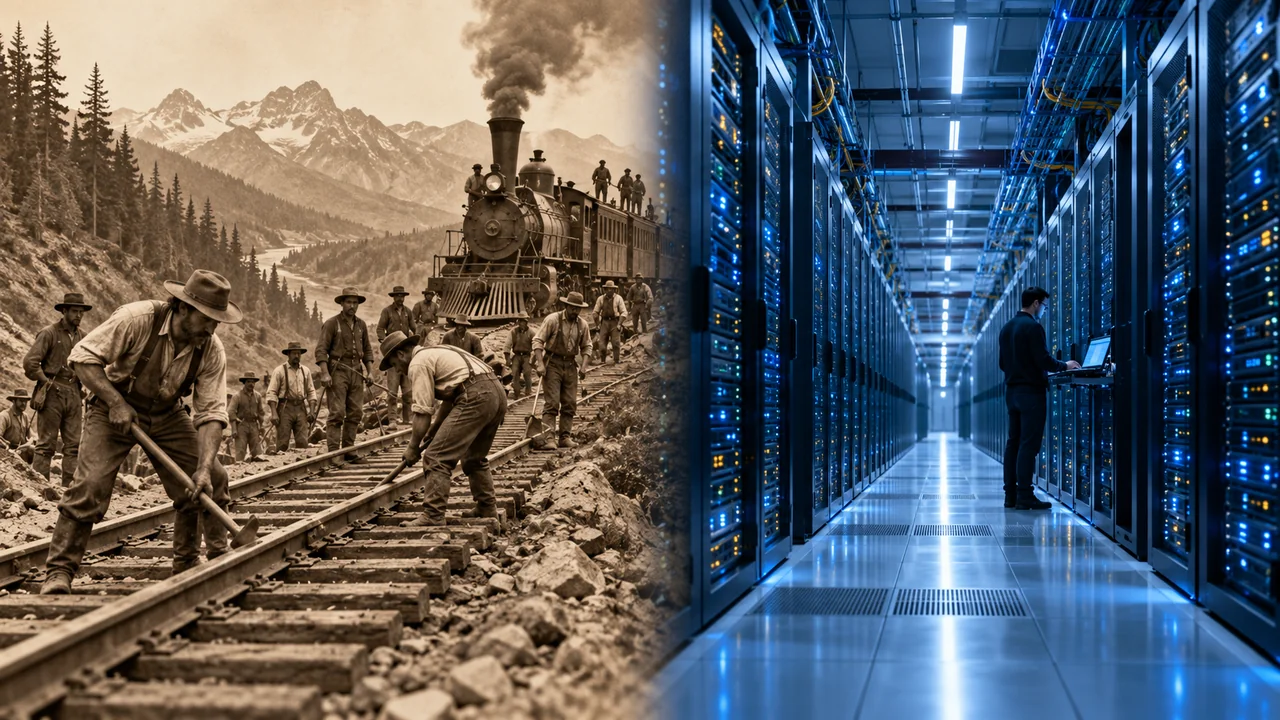
BCA Research chief global macro strategist Peter Berezin warns AI can be genuinely transformative and still trigger a major market correction if productivity gains arrive too slowly to justify the spend. Hyperscaler capex expectations have climbed from $330 billion in early 2025 to roughly $1 trillion — about 3% of US GDP, versus 2.2% during the 1870s railroad buildout and 1.1% in the 1990s tech boom. He flags an accounting wrinkle too: chipmakers book revenue now while hyperscalers capitalize and depreciate, which can mask deteriorating returns.