Relevance 10/10Importance 9/10
DeepSeek has shipped two new APIs: a Search API running on their own in-house search engine, and a Fetch API that returns page content as clean Markdown. Both are priced at $0.75 per 1,000 successful requests with independent 5-requests-per-second limits, and support query operators like site restriction, language filters, and date ranges. It's aimed squarely at agent and RAG builders — and it undercuts the incumbent search-API players by a wide margin. 503 points, 245 comments.
Relevance 10/10Importance 7/10
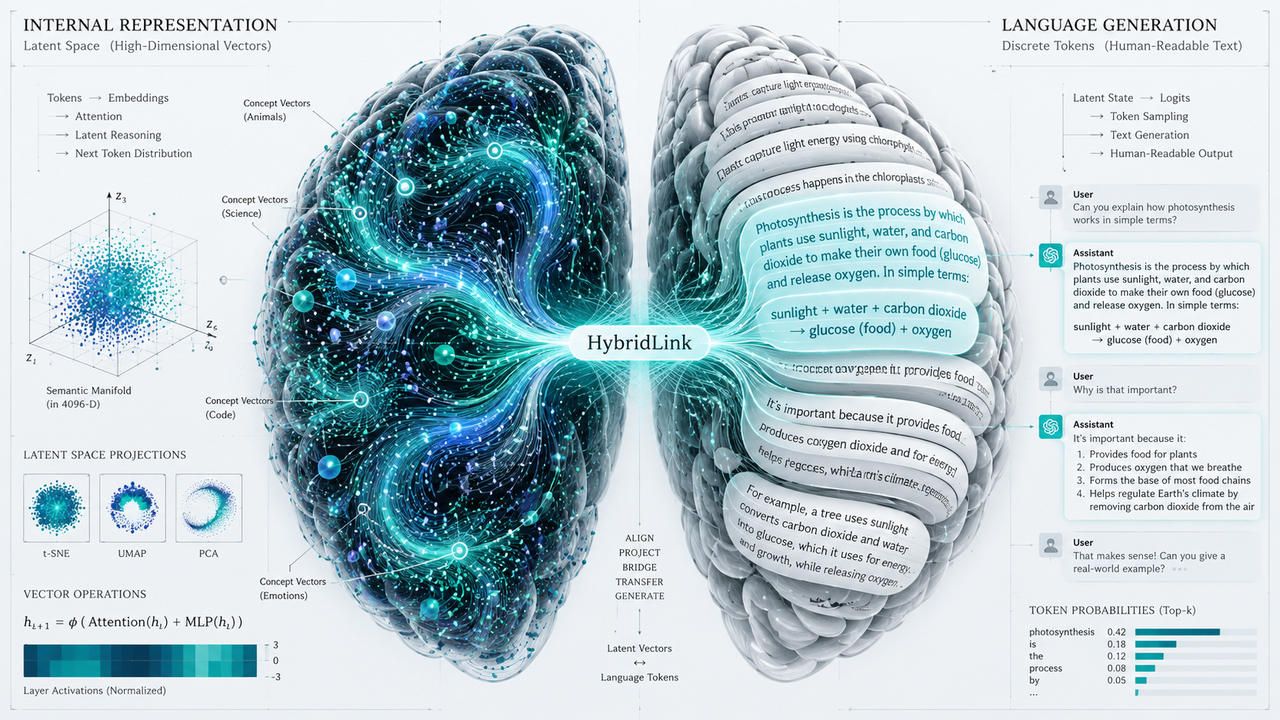
A new arXiv paper introduces HybridAgents, which lets LLM agents switch between latent (non-verbal) reasoning and text-based interaction via a lightweight "HybridLink" that preserves working memory across turns. The team built custom training stages — HybridSFT and HybridRL — to teach the model when to use which mode. Across 11 benchmarks in math, science, and agentic tasks they report ~10.4% better performance while cutting token usage 35.5–54.7% and speeding inference 1.8–2.6×.
Relevance 8/10Importance 7/10
Linear founder Karri Saarinen argues that great products carry the fingerprints of specific people with specific taste, not the output of a standardized process. His worry: as software gets trivially cheap to generate, products built by disconnected teams or agents lose their soul. He makes the case for intuition over process-and-dashboards — judgment earned through actually talking to customers. 226 points, 89 comments.
Relevance 5/10Importance 7/10
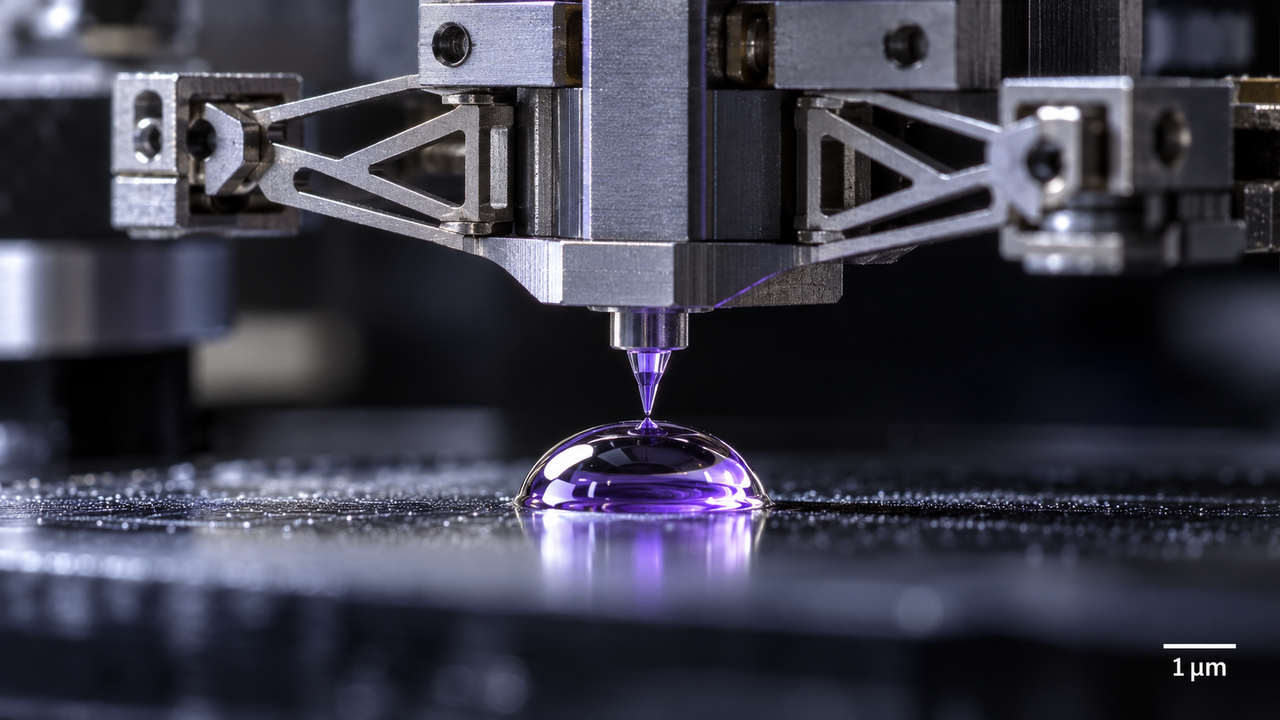
RepRapMicron, or μRepRap, is an open-source effort to build a self-replicating 3D printer that fabricates at micron scale using only cheap, commonly available materials. The current PIKA version hits roughly one-micrometer repeatable positioning inside an 8mm cube, using flexure-based mechanics and UV resin deposition. The long game is democratizing precision microfabrication the way the original RepRap democratized plastic printing. 293 points, 46 comments.
Relevance 3/10Importance 8/10
Quentin Kaiser documents a flaw in Broadcom's WPS implementation dating back to 2010 that lets an unauthenticated attacker in WiFi range leak memory and run arbitrary code. It affects millions of devices across dozens of vendors and hundreds of products, including gateways from major Belgian ISPs. A 2018 patch was incomplete, and as of this month the affected devices still haven't been fixed — a sixteen-year exploitability window.
Relevance 3/10Importance 5/10
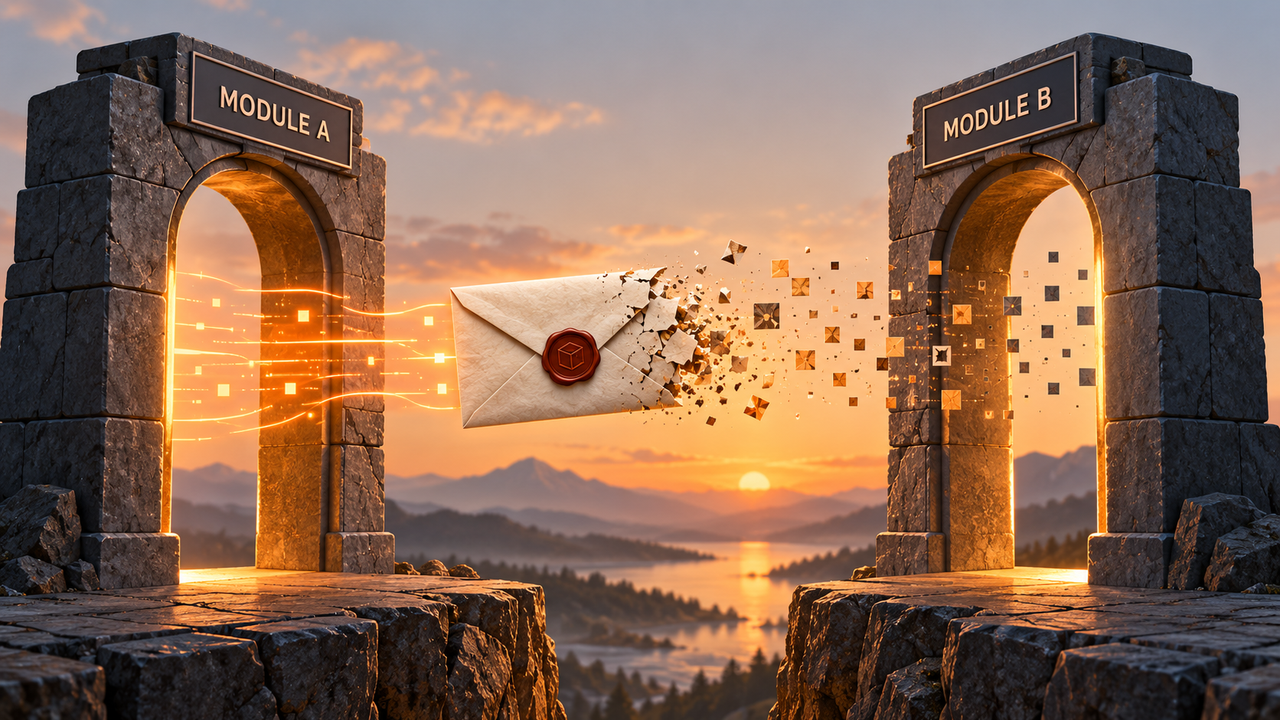
Neil Madden points out that the compile-time exhaustiveness guarantee you get from Java's sealed classes evaporates once you cross a module boundary. If a library exposes a sealed type in its public API and later adds a subtype, downstream consumers who haven't recompiled hit runtime errors instead of compile errors. His conclusion: keep sealed types for internal implementation, not public APIs. 114 points, 84 comments.
Relevance 3/10Importance 4/10
The Imperial War Museum's page on the Cabinet War Rooms telephone covers SIGSALY, the Bell Labs system that secured voice calls between Churchill and Roosevelt. It was the first functional digital speech encryption system — a vocoder paired with one-time-pad noise records that had to be kept in perfect sync on both continents. The hardware filled rooms and weighed tons, and it laid conceptual groundwork for modern digital audio and cryptography. 89 points, 24 comments. (Note: the IWM page blocked automated fetching, so this summary draws on established public history of SIGSALY rather than the page text.)
Relevance 2/10Importance 4/10
Free Pascal has landed dynamic package support, letting developers build and install components, controls, and Lazarus IDE extensions without rebuilding the whole toolchain. The implementation includes mechanisms for safely managing types across package boundaries. For the Lazarus community it means plugin installs in seconds and genuinely modular, runtime-updatable architecture. 67 points, 13 comments.
Relevance 3/10Importance 3/10
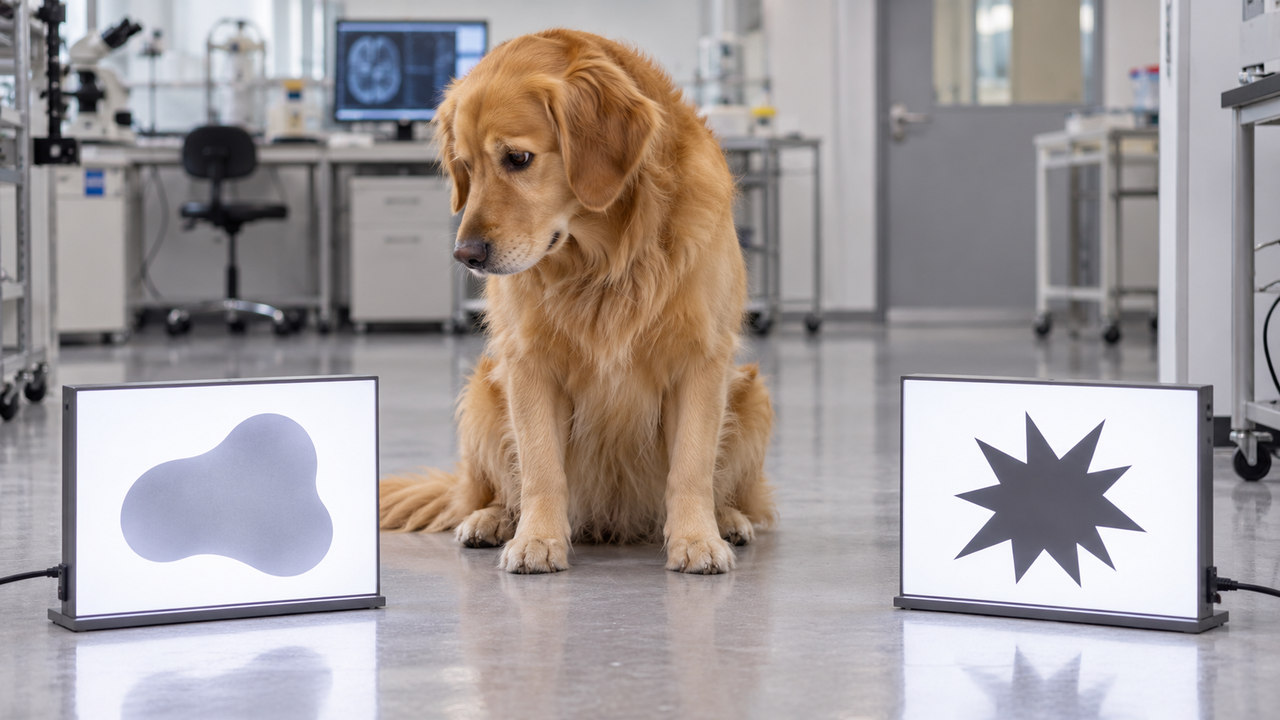
Researchers tested 70 dogs on the classic bouba-kiki sound-symbolism effect and found they looked significantly more at a rounded shape when hearing "bouba" and at a spiky shape when hearing "kiki." The effect held even when owners wore headphones, ruling out unconscious human cueing. That suggests the sound-to-shape mapping may not be a human-language artifact at all. 52 points, 32 comments.
Relevance 2/10Importance 2/10
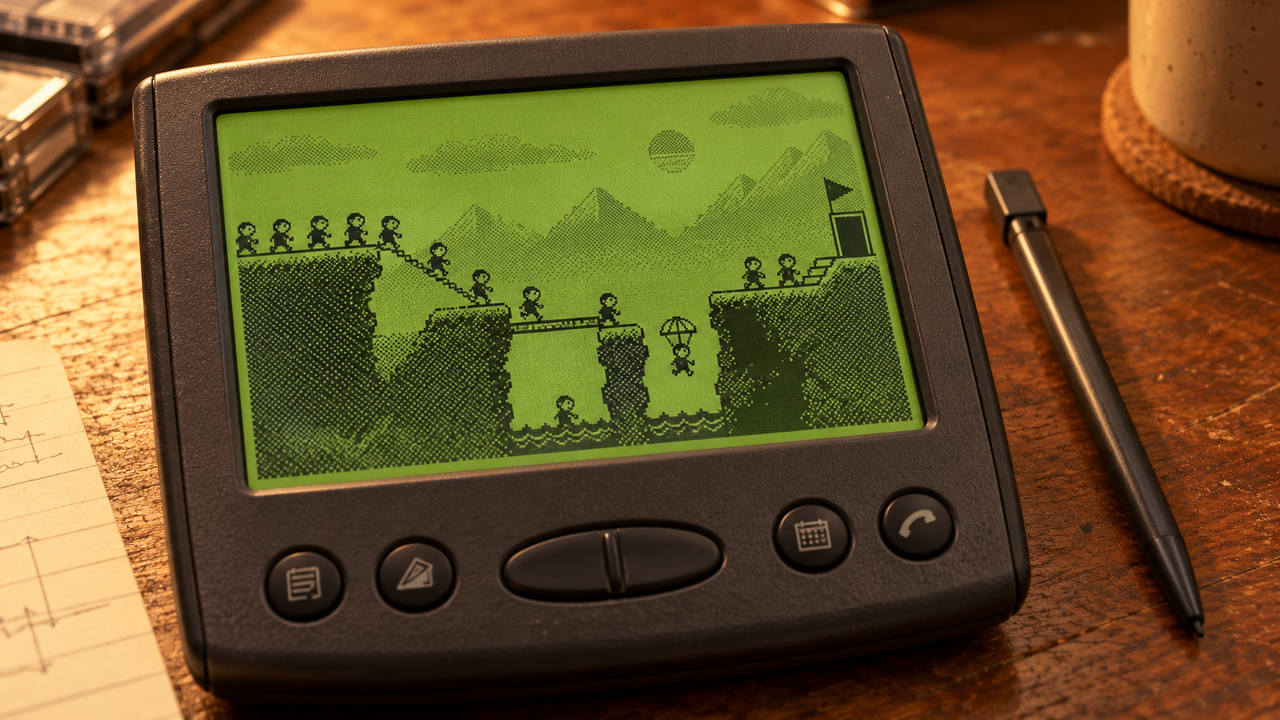
A developer has open-sourced a from-scratch PalmOS clone of Lemmings, complete with source, compiled binaries, level packs, and the original build tooling. It was written as an educational exercise in squeezing a real game onto severely constrained hardware. The repo has picked up north of 100 stars from the retro-computing crowd. 60 points, 14 comments.

 HN Briefing PM