Relevance 10/10Importance 9/10
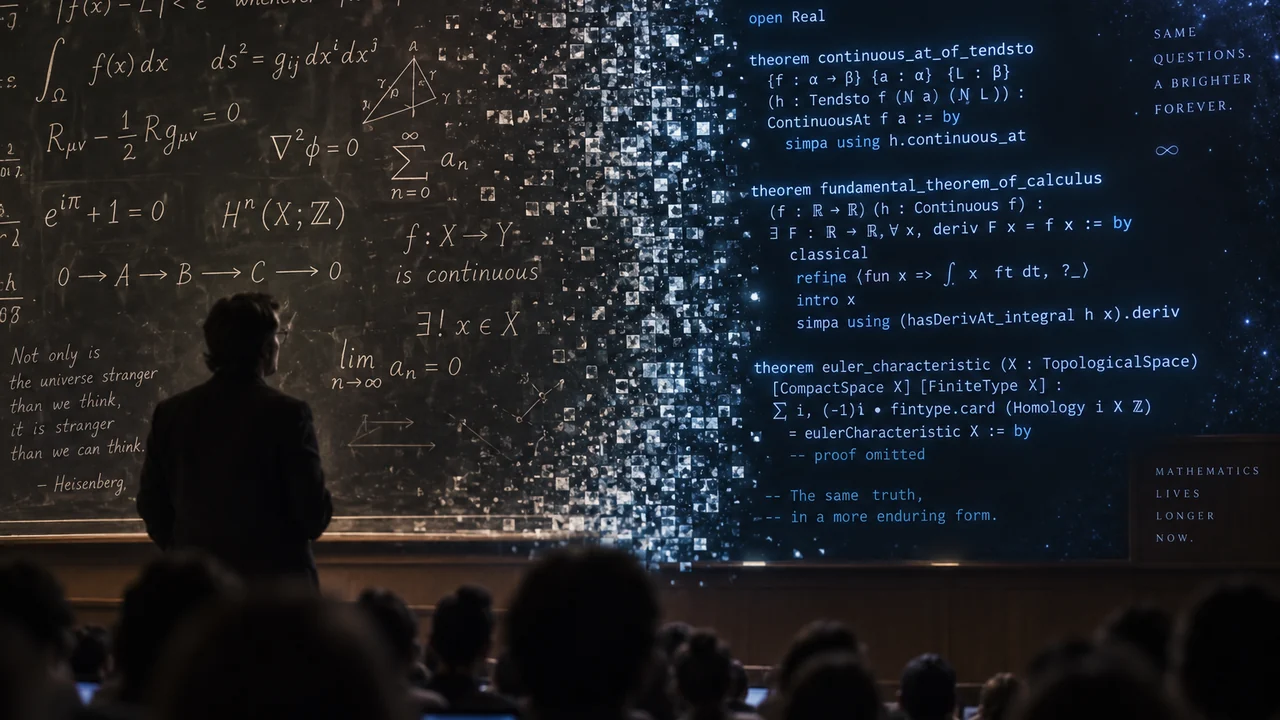
Tao's October 9th Caltech public lecture slides argue mathematics has crossed from an era of proof scarcity into one of "proof abundance," where AI plus Lean-style proof assistants can grind out open problems without deep human expertise. His blunt verdict: further blind optimization for problem-solving alone is now actively harmful to the long-term health of the field. Math 2.0 keeps AI in the picture but redirects it at understanding, exposition, and data — open exposition problems, living networks of results, big formal libraries like Mathlib, ablation studies on theorems, and interpretable math models.
Relevance 9/10Importance 6/10
Rich Whitehouse, of Noesis fame, lays into the current AI boom and calls today's models "highly augmented stochastic parrots" dressed up as revolution. He argues the labs committed industrial-scale IP theft to build training sets, then turned around and lobbied for copyright rules that protect themselves. His sharpest point: the existential-risk narrative is useful to incumbents because it justifies regulatory capture and enormous valuations.
Relevance 7/10Importance 8/10
As of October 1st, New York City became the first municipality in the nation to mandate that cancelling a subscription be as easy as signing up for one — if you enrolled online, nobody can force you onto a retention phone call. Businesses must also plainly disclose subscription terms and consumer rights up front. Violations start at $525 in civil penalties plus potential consumer refunds, and the city is already taking complaints.
Relevance 6/10Importance 6/10
Nanolathe is an MIT-licensed, open-source 2.5D RTS engine written in Go that clean-room reverse engineers the 1997 classic Total Annihilation. It layers modern GPU rendering, lighting, and glow effects on top while still loading original game data. There's a browser demo, native builds for Windows, Mac, and Linux, and the whole codebase is open for study and modification.
Relevance 5/10Importance 4/10
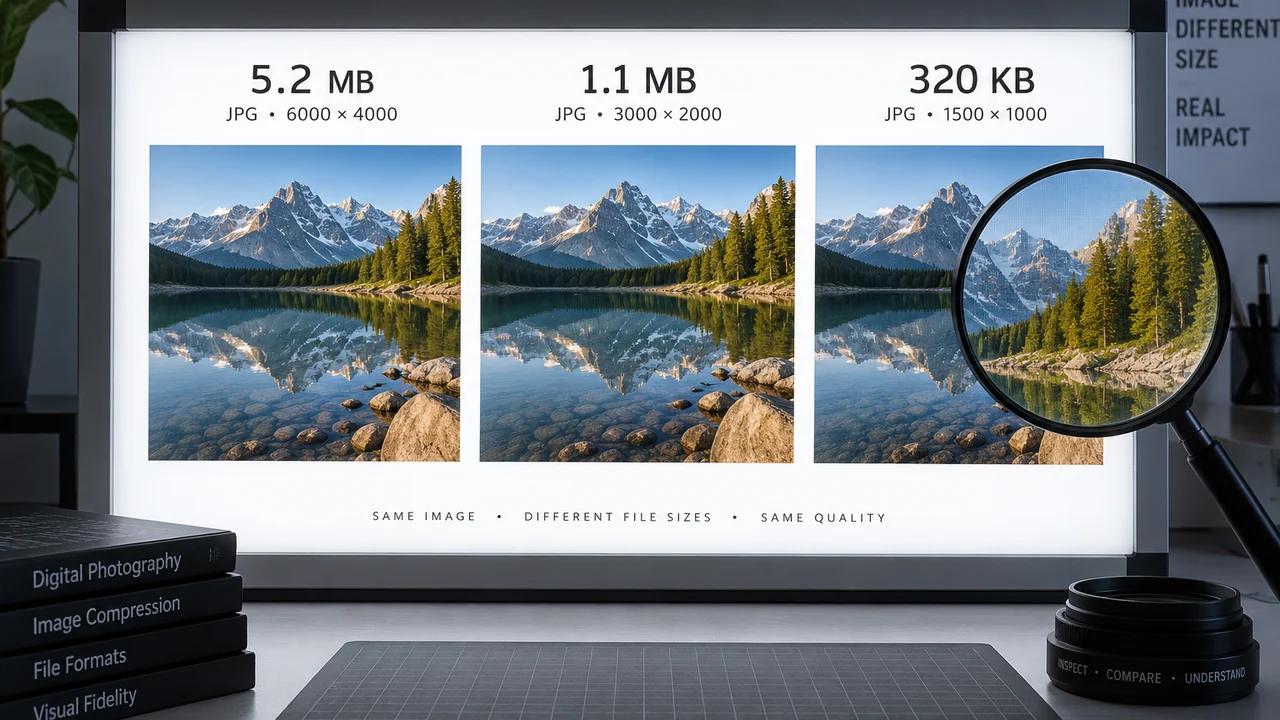
A blogger switched off Photoshop to Pixelmator Pro and, somewhat reluctantly, concluded WebP beats JPEG and PNG on file size at equivalent visual quality. Testing across recent posts showed the format winning consistently. The author plans to jump to AVIF, which now has browser baseline support, or JPEG XL the moment their editor supports exporting them.
Relevance 5/10Importance 5/10
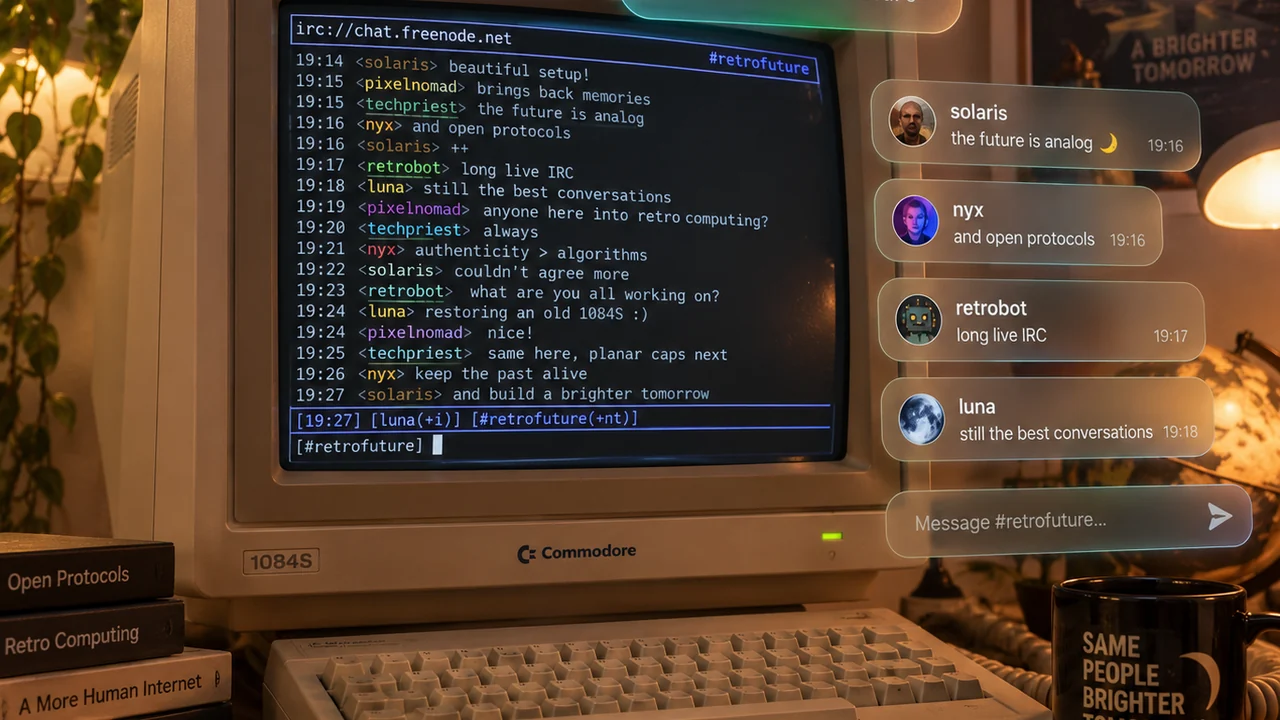
IRCv3 is the working group quietly modernizing Internet Relay Chat through backwards-compatible protocol extensions. Its specs add standardized SASL authentication, message metadata and tags, away notifications, server-side timestamps, and chat history retrieval. The pitch is open, extensible, feature-rich chat proven over decades, without breaking the legacy clients still connected today.
Relevance 5/10Importance 4/10
Asher Adeniyi makes the case for treating your career as a wealth engine rather than a paycheck — compounding competence, credibility, and cross-functional usefulness. The second pillar is protecting surplus: income is not wealth, so resist lifestyle inflation and automate the conversion of earnings into diversified assets. The third is building skill, reputation, relationship, knowledge, and financial capital in parallel, with trust as the connective tissue.
Relevance 4/10Importance 5/10
An MIT project by Wonyoung So that compiled 324,415 OpenStreetMap data points on North Korea and visualized them, then went further by surveying the humans behind the edits. The team corresponded with 889 contributors and analyzed 211 responses to learn who maps a country they mostly cannot visit. Most relied on satellite imagery, though a surprising number had firsthand local knowledge or stitched together street-level detail from scattered internet sources.
Relevance 3/10Importance 4/10
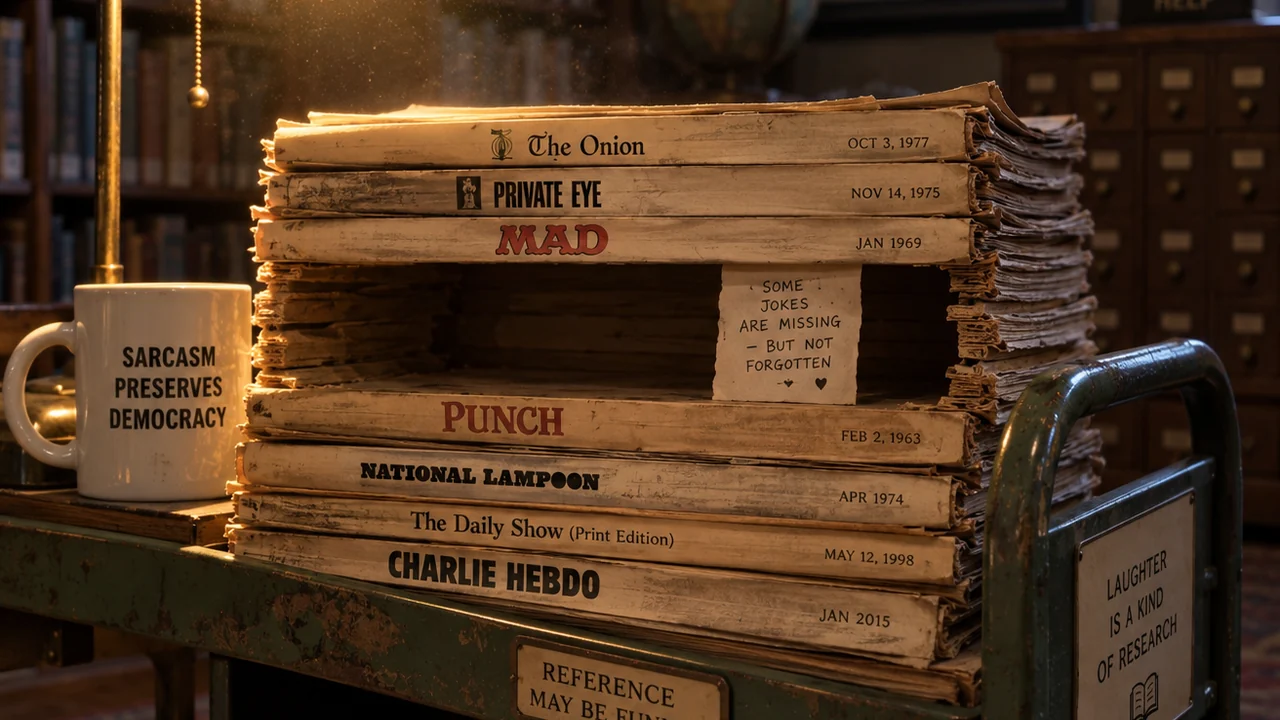
The Onion emailed readers with a genuine crowdsourced archive recovery request: certain print issues are "mysteriously missing from our 270-year archive." They're asking anyone holding pre-2012 physical editions to help fill the gaps, since the print run ended in 2013. HN commenters spent a fair amount of energy debating whether this is a real preservation effort or an extremely on-brand bit.
Relevance 2/10Importance 4/10
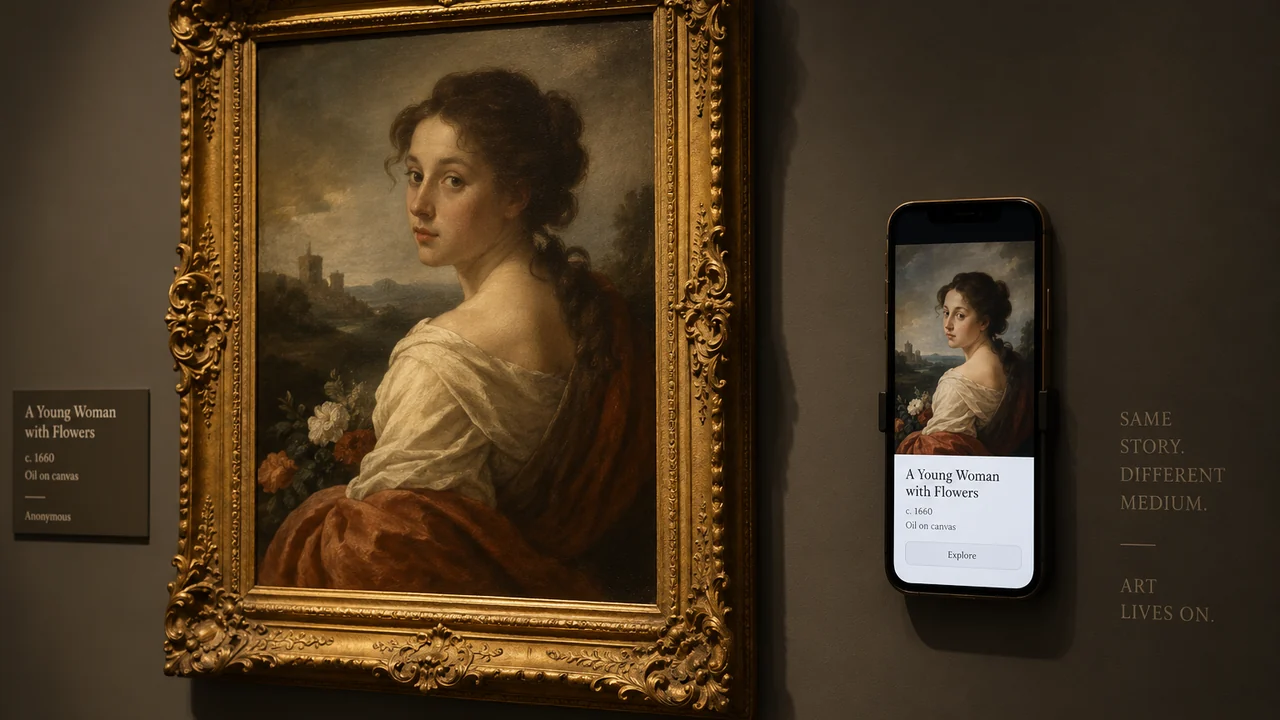
A web presentation of the opening chapter of John Berger's 1972 landmark on visual culture. Berger's thesis is that seeing comes before words, and that what we see is shaped by what we already know and believe. He then argues the camera fundamentally changed our relationship to historical art, democratizing images through reproduction and puncturing the mystique that framed art as exclusive cultural property.

 HN Briefing PM