Relevance 10/10Importance 8/10
Scion is Anthropic's new version control system built around "derived data" structures that make expensive queries like blame history cheap to answer. The author — who helped build Meta's open-source Mononoke server nearly a decade ago — argues Scion's architecture mirrors Mononoke's so closely, right down to blame-friendly indexes, that attribution was warranted. It lands as a pointed question about credit in an era when LLMs are trained on everyone's prior designs.
Relevance 10/10Importance 7/10
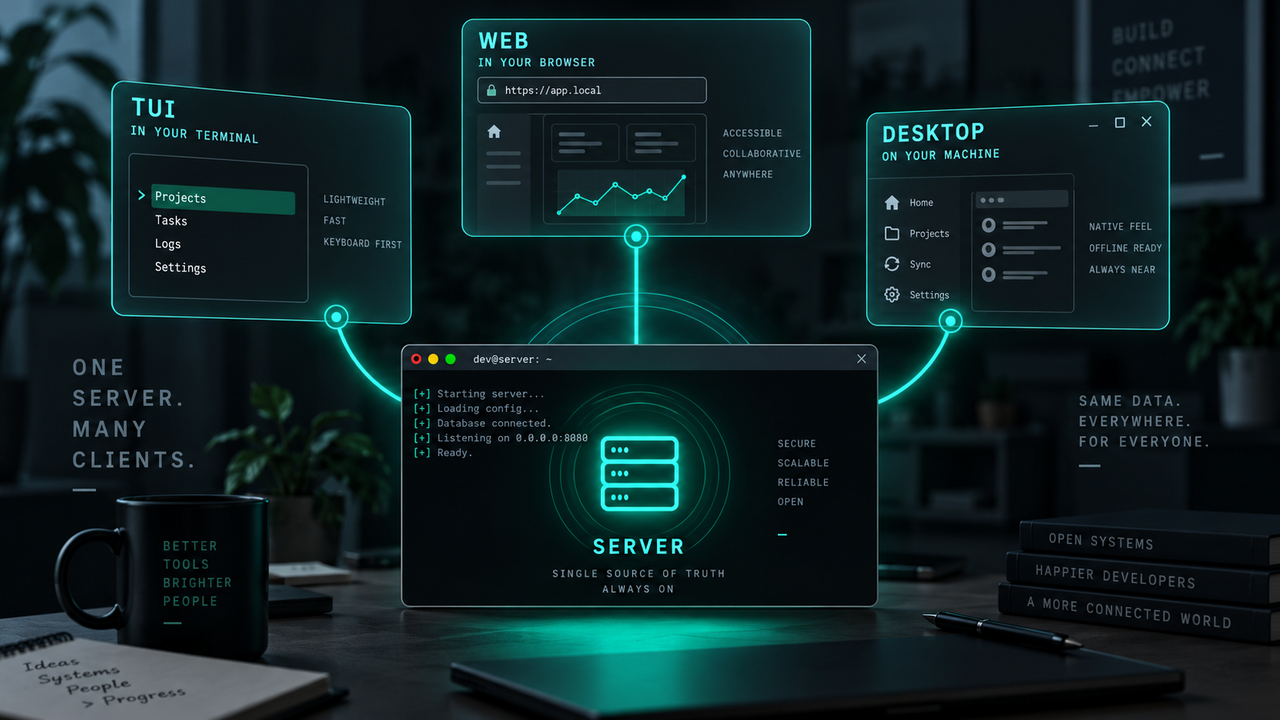
The open-source coding agent got a ground-up overhaul: a persistent background server shared across TUI, web, and desktop clients, a rewritten API with an @opencode/client package, and a standalone SDK for embedding OpenCode anywhere. The headline feature is Code Mode, which converts MCP servers and OpenAPI endpoints into callable functions so the agent writes one script instead of chaining tool calls one at a time. Breaking changes are real — 1.0 plugins don't work and config paths moved.
Relevance 9/10Importance 5/10
TypeSafe AI shipped a point release of Jev, their "System One" model aimed at machine-native decision-making inside software rather than chat. The gains are mostly incremental across the board, with the biggest jump in multilingual performance. The fun part is the explicitly labeled danger zone: composable image inputs, a new box type for bounding-box outputs, and optional longer context — shipped for tinkering, not production.
Relevance 7/10Importance 8/10
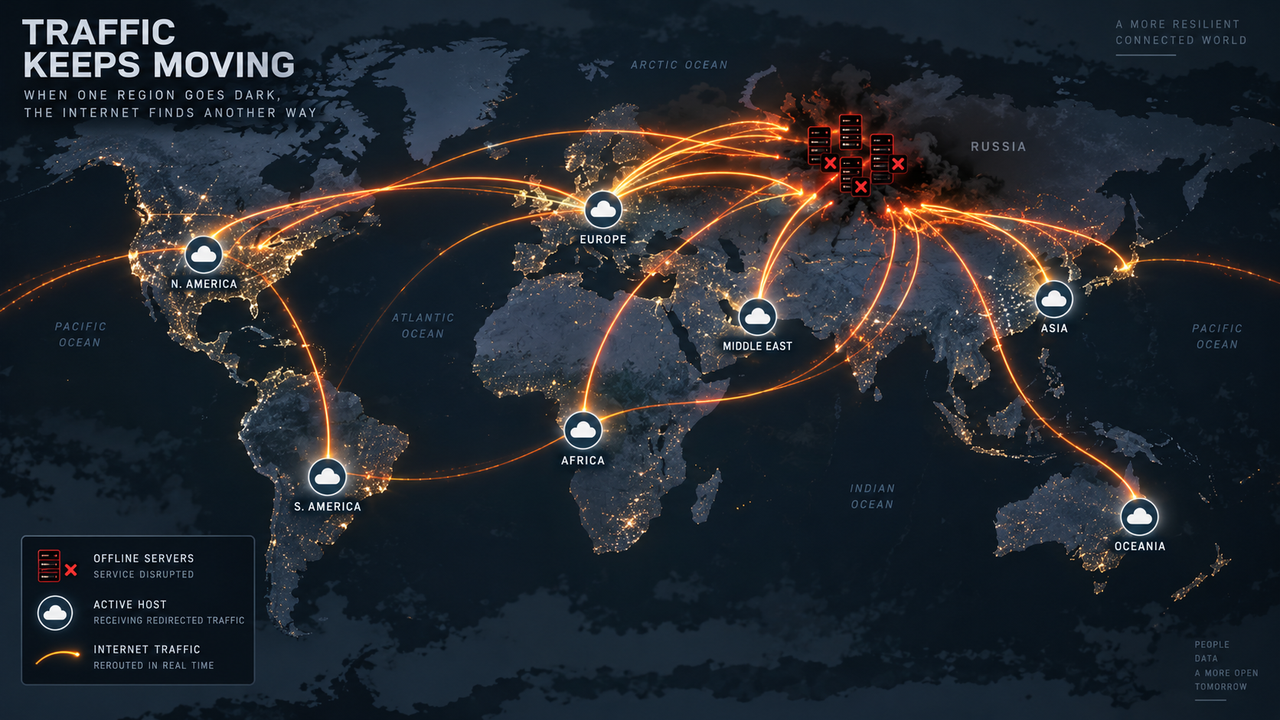
Ukrainian drone strikes took Yandex data centers offline this month, collapsing the network almost entirely. Cloudflare's telemetry showed legitimate search indexing stopped cold — but attack traffic against gambling sites kept the exact same fingerprints and simply relocated from Yandex.Cloud to other Russian hosts like Radist and Selectel. The lesson for anyone building abuse defenses: bombing the datacenter doesn't kill the botnet, it just reschedules it.
Relevance 8/10Importance 6/10
Petal is low-latency, high-resolution collaborative screen sharing from the people who built CoScreen — shared windows appear as movable, resizable elements on everyone's desktop with labeled cursors and instant remote mouse and keyboard control. It's free on Mac and Windows with Linux coming, and runs three ways: Petal Cloud, your own self-hosted LiveKit server, or a fork of the GitHub source. The team went open-source and non-commercial specifically so it can't get acquired and shut down the way Screenhero and CoScreen were.
Relevance 5/10Importance 7/10
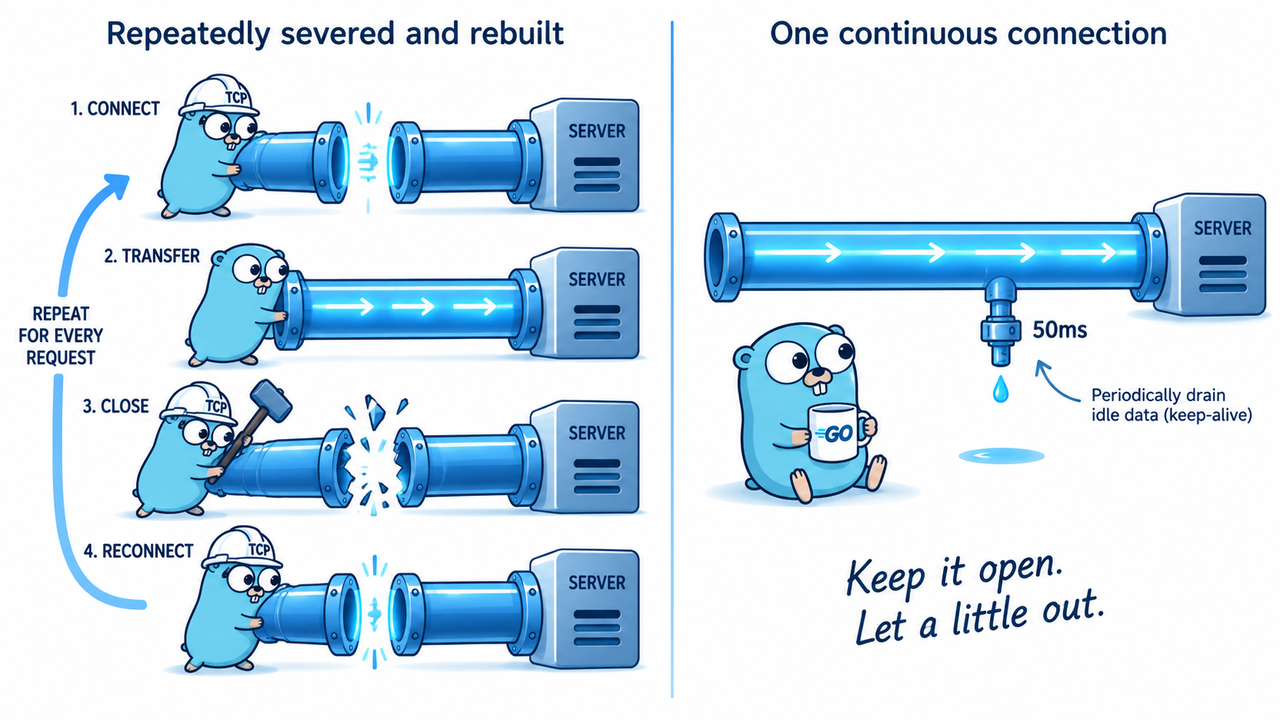
Through Go 1.26, closing an HTTP/1 response body without fully reading it made net/http abandon the connection, so the next request paid for a fresh TCP and TLS handshake — three-plus round trips, silently, in code that only wanted a status code. Go 1.27's Transport now drains unread bodies asynchronously for up to 50 milliseconds or 256 kilobytes, restoring connection reuse automatically. The workarounds people have been carrying around for years can go in the bin.
Relevance 3/10Importance 9/10
Eleven of seventeen antennas at a restricted Starlink facility near Sofia were deliberately torched on October 9 — hardware carrying a primary link to SpaceX and used in the Ukraine war. Two men with German passports, aged 20 and 21, are in custody, and investigators are probing whether they're part of a wider network connected to two suspects arrested near Stuttgart over a September 23 Starlink terminal fire south of Warsaw. Warsaw suspects Russian intelligence.
Relevance 4/10Importance 3/10
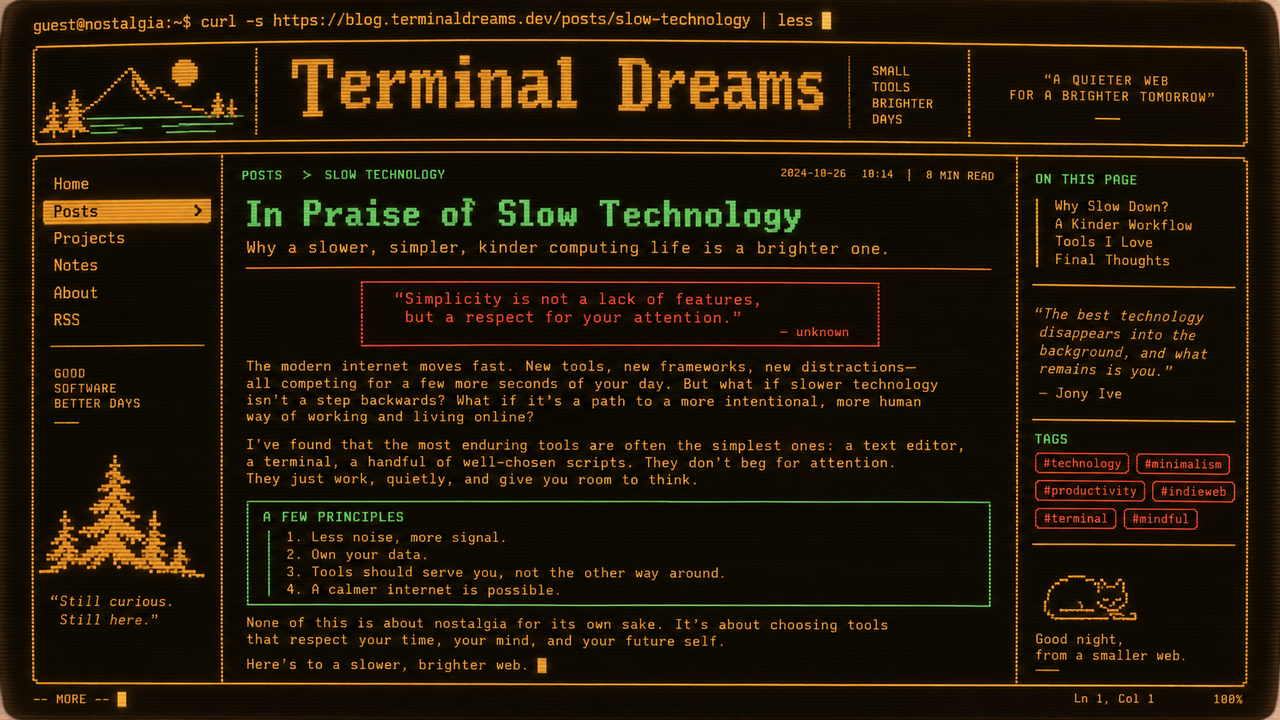
Fancy curl sites serve a terminal-flavored version of a web page — styled text rendered with ANSI escape codes when you hit them with curl instead of a browser. The author hand-wrote ANSI-marked pages and leaned on their custom markup language's existing multi-format output to make it work. They're upfront that it's a neat gimmick, and that "easy to set up" depends entirely on already having the right pipeline.
Relevance 2/10Importance 8/10
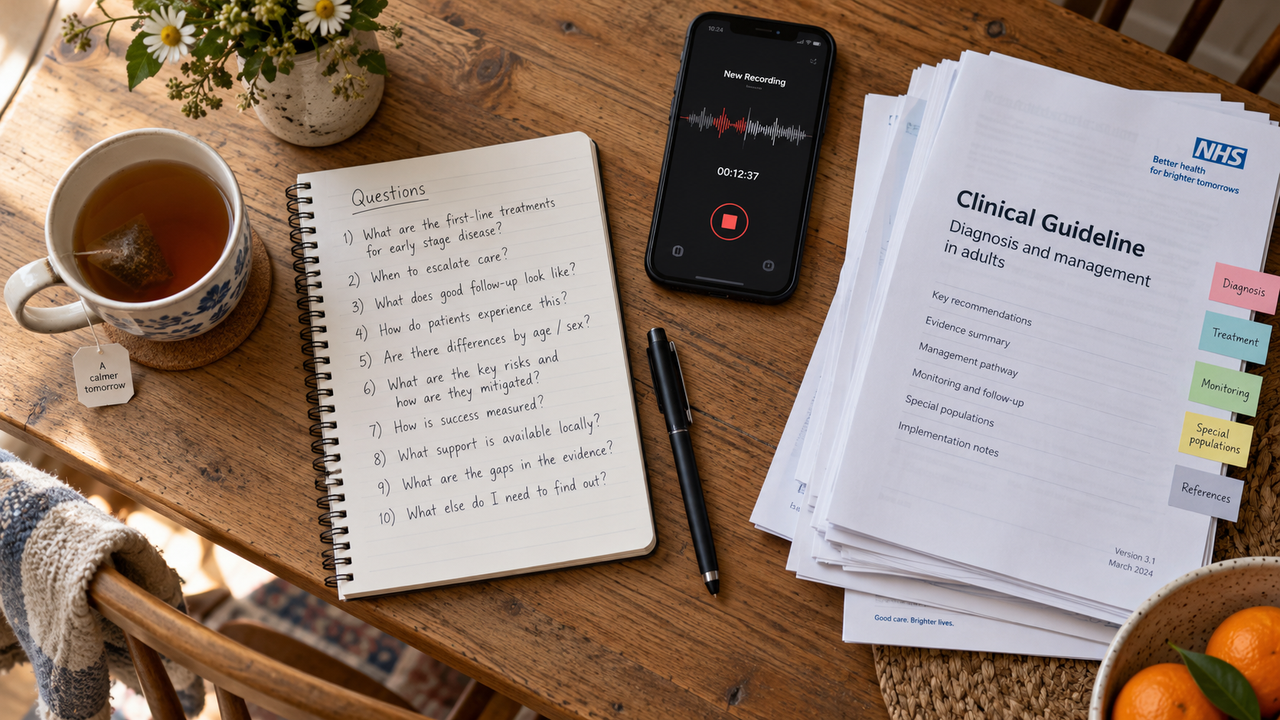
JJ Maxwell writes from personal experience after a squamous cell carcinoma diagnosis in May 2026, laying out hard-won practical guidance for navigating treatment. The advice is concrete: push hard on scheduling, get genetic testing early, read the NCCN guidelines yourself, get a second opinion at a major cancer center, and record your medical conversations. Notably, he warns against taking AI reassurance at face value when the stakes are your own body.
Relevance 2/10Importance 5/10
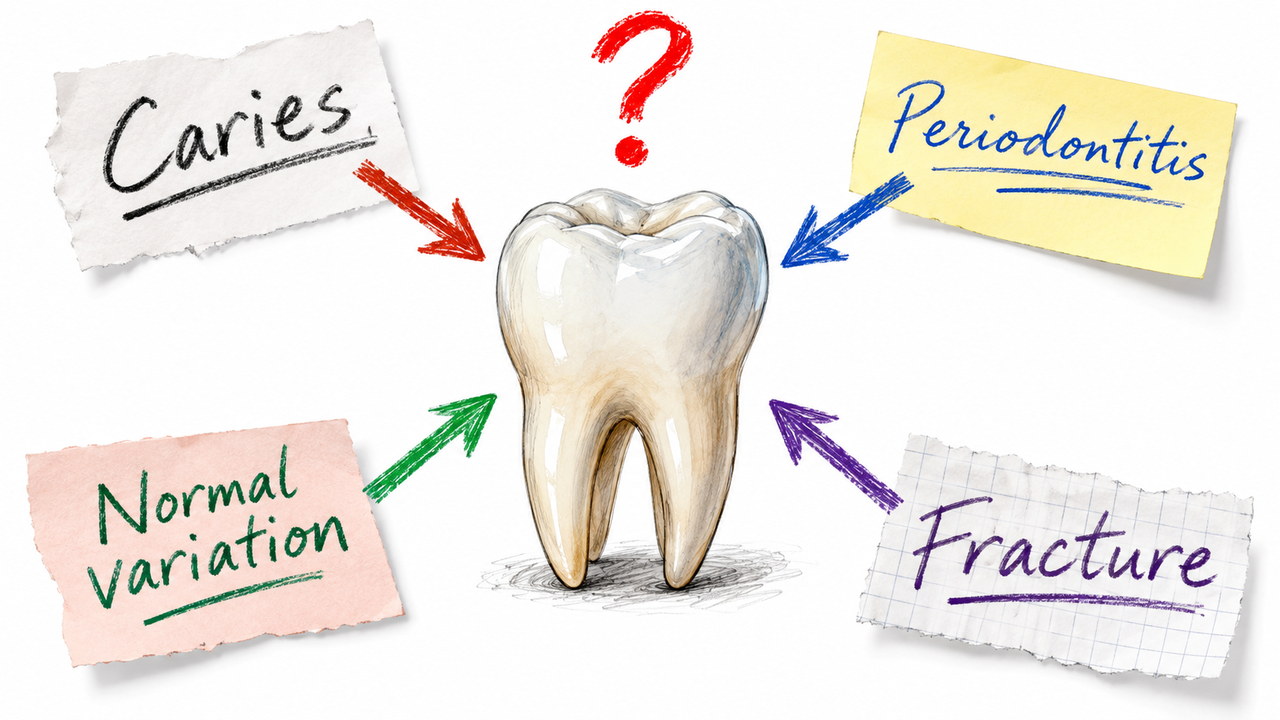
A first-person tour through wildly contradictory dental diagnoses: one dentist finds twelve cavities needing immediate work, another says most are just shadows to watch. A third insists splints are harmful because top teeth need bottom teeth to strike against — then someone else prescribes exactly that. The piece lands on an uncomfortable conclusion, that a lot of dental recommendations rest on practitioner preference or billing incentive rather than clinical consensus.

 HN Briefing PM