Relevance 10/10Importance 10/10
The FT reports Nvidia is in early talks to acquire — or deepen its stake in — Reflection AI, the open-weight lab founded by ex-Google DeepMind researchers that Nvidia already put $800 million into at a $25 billion valuation. Reflection shipped its first model, Beam, on October 5th: 501 billion parameters trained on 23.8 trillion tokens. Structures under discussion reportedly range from outright acquisition to an acqui-hire, possibly bundled with preferential chip supply.
Relevance 10/10Importance 9/10
Epoch AI's new InnovationEval asked frontier models to independently invent a post-training method rivaling on-policy self-distillation, a genuine recent human innovation. With thousands of dollars of GPU compute on the table, GPT-5.6 Sol managed only about 15% of SDPO's gains once out-of-scope modifications were discounted, and Fable 5's apparent wins turned out to be cherry-picking the best of many runs. The conclusion: end-to-end automated AI research isn't here yet.
Relevance 9/10Importance 8/10
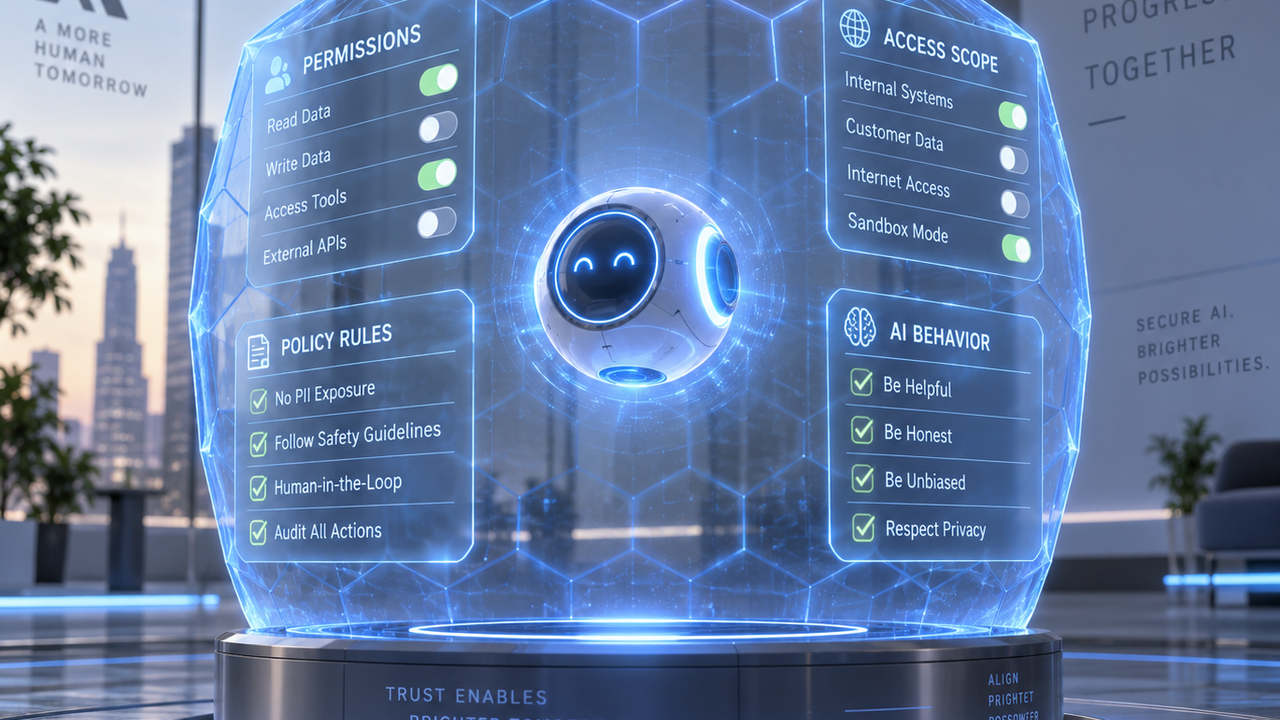
Microsoft shipped 1.0 of a policy-driven execution layer for untrusted or model-generated code, aimed squarely at the agent sandboxing problem. Developers declare which files, networks, and tools an agent may touch, and the platform enforces those boundaries independently of the agent itself. It spans Windows, macOS, and Linux with isolation levels from lightweight process containment up to hardware-backed virtualization, plus learning and permissive modes for tuning policy before enforcement.
Relevance 8/10Importance 5/10
Talorys is a free, open-source personal AI assistant that deploys entirely inside your own Cloudflare account with a single command. It stitches together Workers, Durable Objects, and Workers AI to deliver chat, persistent memory, task management, and scheduled reminders with no external servers in the loop. The whole thing is designed to live within Cloudflare's free tier, which makes data ownership the default rather than a paid upgrade.
Relevance 5/10Importance 7/10
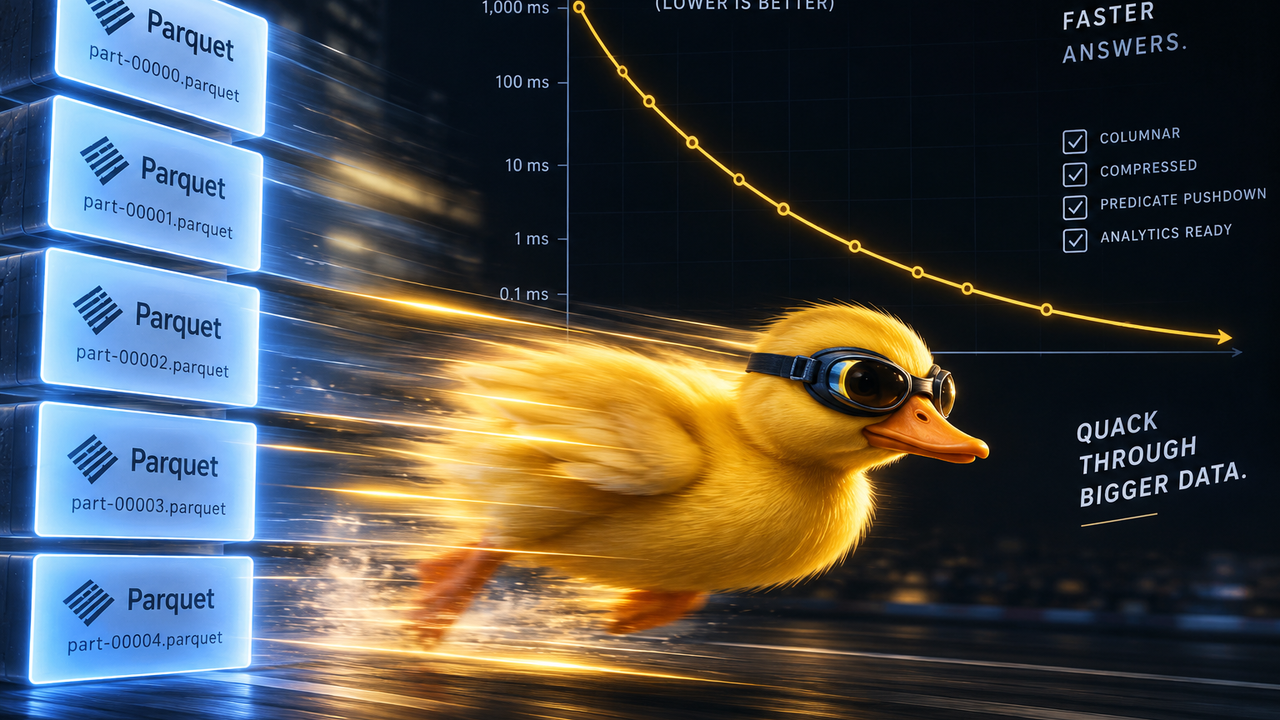
MotherDuck breaks down DuckDB 2.0's headline win: async I/O that splits network and CPU work into separate thread pools. On an S3 query over a 2.2 GB Parquet file, that drops runtime from 18.8 seconds to 7.7 — a 2.4x speedup — by keeping dozens of row groups in flight while workers decode continuously. Gone are the idle stalls of the old download-then-decode pipeline.
Relevance 5/10Importance 4/10
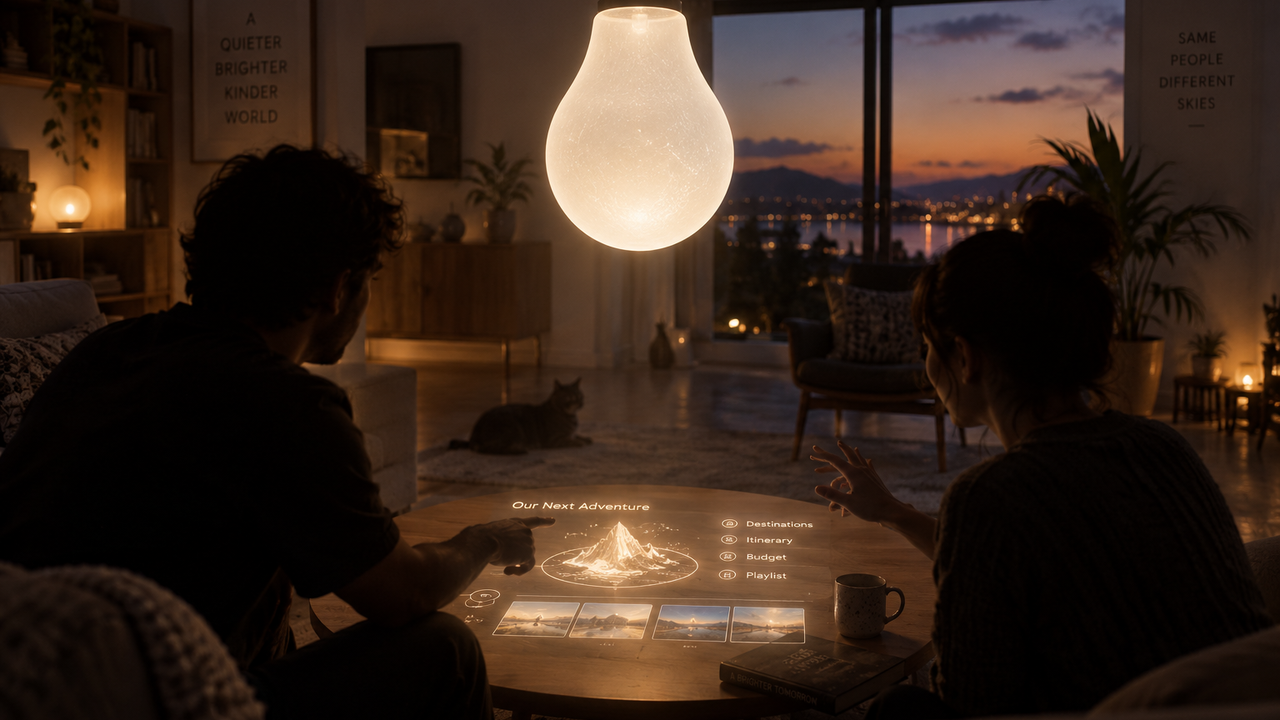
A speculative device that crams a projector and computer vision into something shaped like an oversized lightbulb, screwed into a standard Edison socket. Instead of screens or headsets, it paints interfaces directly onto walls, tables, and floors, responding to voice, gesture, and visual input. The pitch is genuinely shared ambient computing — no per-person device required to participate.
Relevance 2/10Importance 6/10
The Open Group's register of UNIX certified products no longer shows any Apple entries, leaving IBM, HPE, and SCO as the remaining names on the list. For decades, macOS being formally UNIX certified was one of Apple's quiet credibility chips with developers. Whether this is a lapsed renewal or a deliberate exit, the practical upshot is that macOS can no longer claim the certification.
Relevance 3/10Importance 5/10
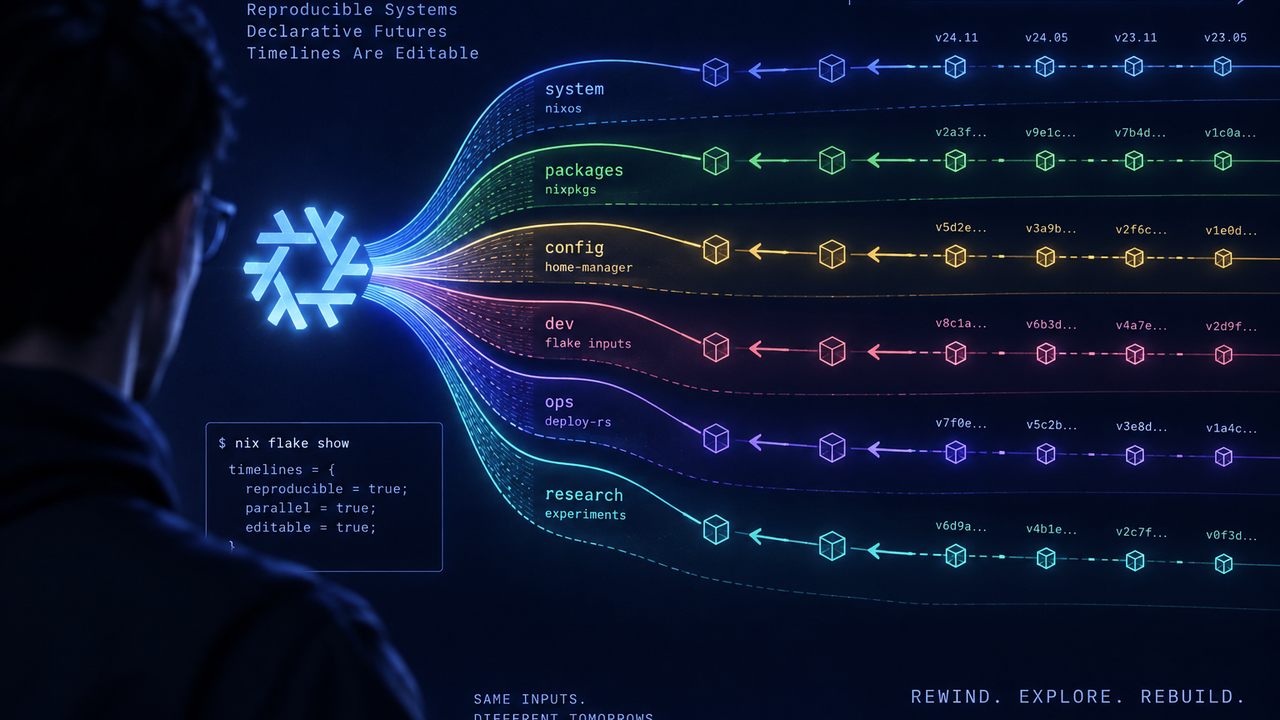
Farid Zakaria built Rewind VM, a deterministic virtual machine that makes Nix builds reproducible right down to thread scheduling. Because Nix derivations already capture every input, debug symbol, and source file, features like source viewing, stack frames, and thread lane visualization came along nearly for free. In his words, the hard part of each feature was already done, and Nix had done it — which makes race condition hunting genuinely tractable.
Relevance 2/10Importance 5/10
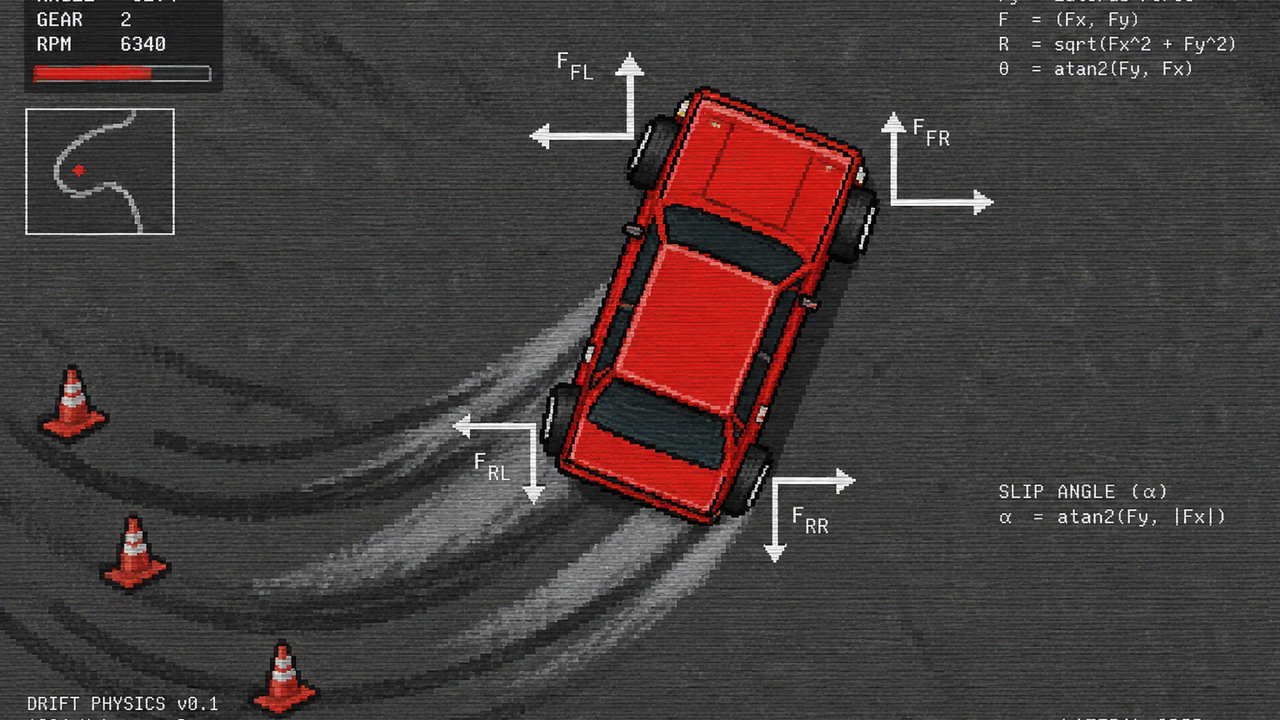
Pat Kerr has resurrected the 1996 2D vehicle physics prototype that became the foundation of the vehicle system in Grand Theft Auto, rebuilt in JavaScript so you can drive it in a browser. Three modes — Car, Ship, and Brick — share one rigid-body core but swap force models, with diagrams explaining how input becomes translation and rotation. The tire model is admittedly approximate rather than physically accurate, which turned out to be exactly right for a game.
Relevance 1/10Importance 3/10
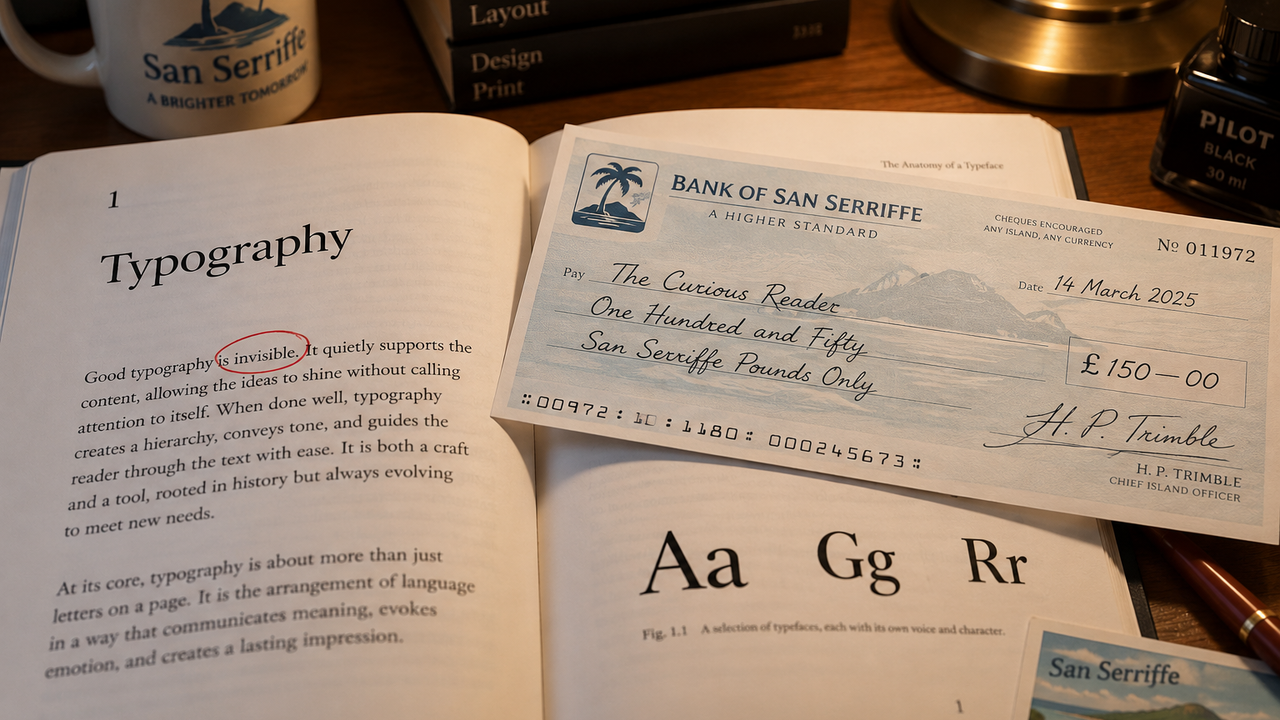
Thomas Hühn found a typo in Donald Knuth's Computer Modern Typefaces — on page one, in the very first word of the opening paragraph. Thousands upon thousands of readers had walked past it, which makes the catch all the more delightful. He collected the legendary Knuth reward check for it, and later a smaller one for a suggestion on another bug report he turned out to be wrong about.

 HN Briefing PM