Relevance 10/10Importance 9/10
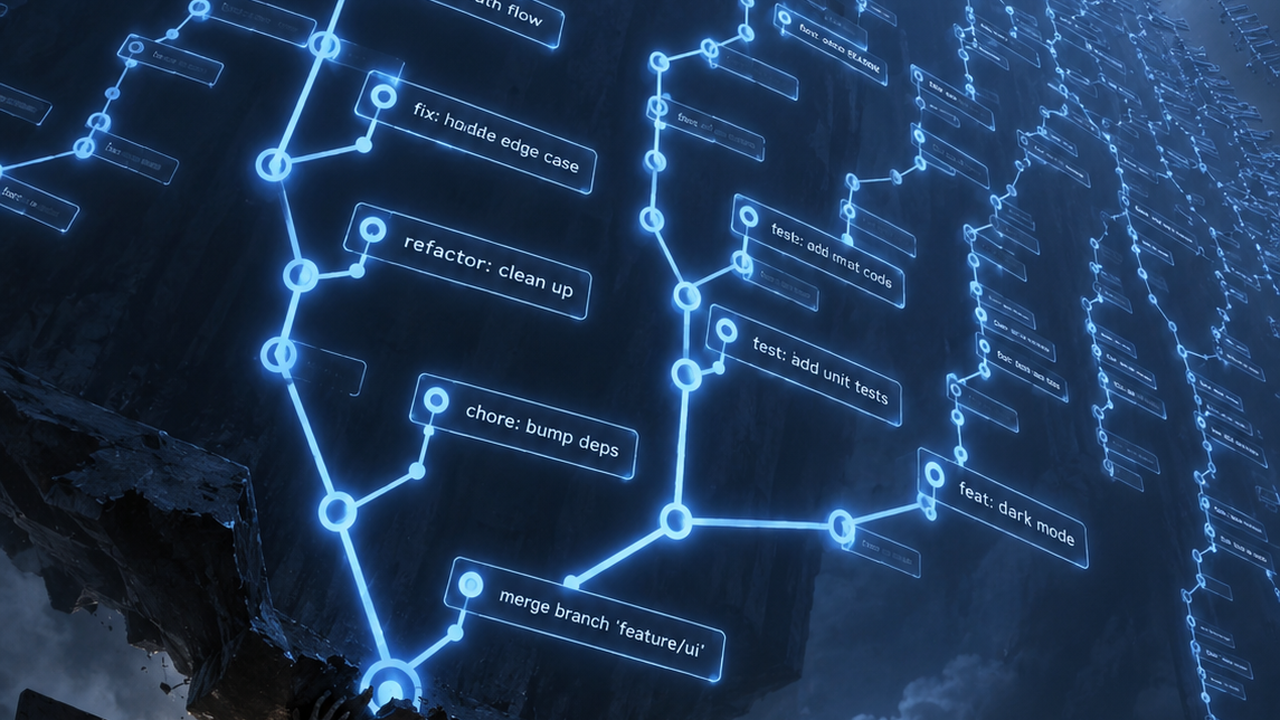
Anthropic built its own centralized version control system, Scion, after daily merges exploded from roughly 2,500 in May 2026 to more than 30,000 by September — a velocity spike driven largely by its Fable and Mythos model classes writing internal code. Inspired by Google's Piper and Meta's Sapling, Scion is designed for a main-branch history approaching 100 GB and about 25 million checkouts a day, a load that would push naive Git to something like 600 petabytes of daily traffic. It's the clearest signal yet that AI-authored code is breaking the tooling assumptions the industry was built on.
Relevance 10/10Importance 7/10
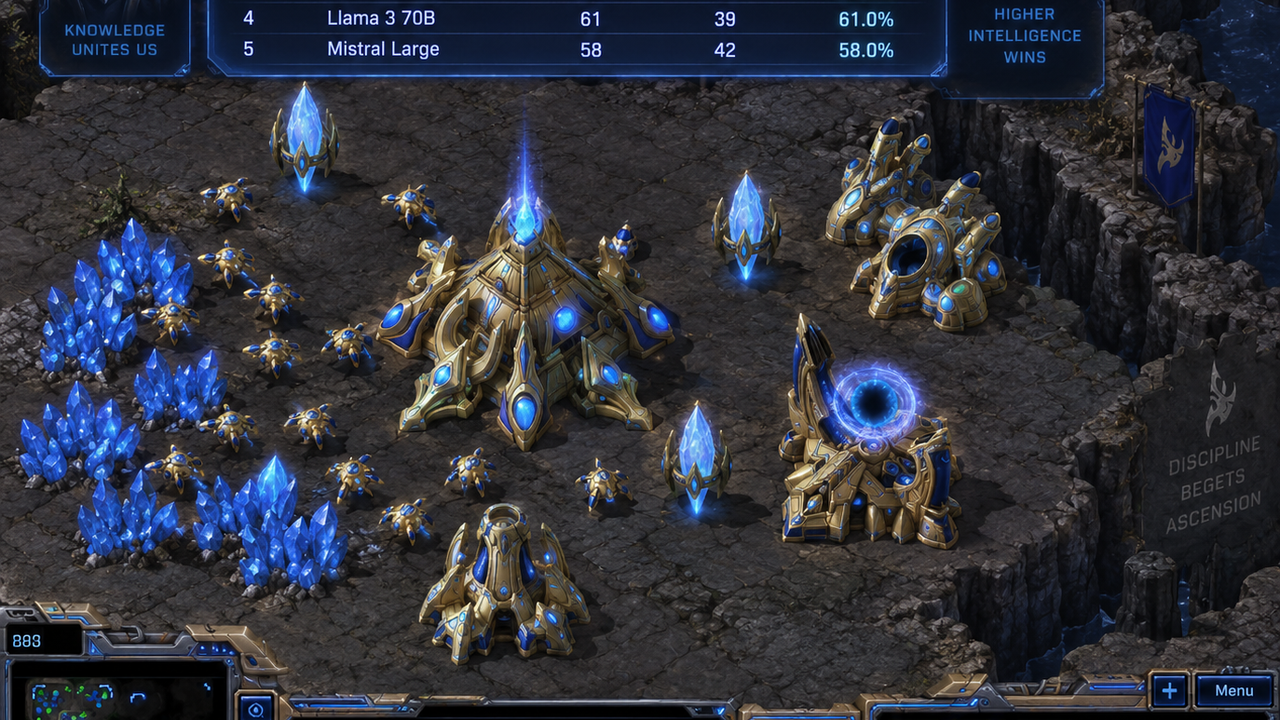
StarSkirmish Bench v0.2 asks a blunt question: given one hour of wall-clock time, how strong a StarCraft Protoss bot can each frontier model write in C++? Nine flagship models from OpenAI, Anthropic, Google, and Meta were tested — including GPT-6 Astra, Claude Opus 5.5, and Gemini 4 Argon — with GPT-6 Astra taking the top win rate ahead of GPT-6.1 Sol. Every model got flattened by top human-written bots, winning only about 7 percent of those matchups, which makes this a benchmark with plenty of headroom left.
Relevance 8/10Importance 7/10
Waymo is bringing its autonomous ride-hailing service to Toronto, with first riders expected in 2028 — its first expansion into Canada. The company is partnering with Element Fleet Management and investing in local HD mapping, infrastructure, and jobs while trained specialists handle initial testing. Waymo cites more than 400 million fully autonomous miles driven with meaningfully fewer serious-injury crashes than human drivers.
Relevance 3/10Importance 8/10
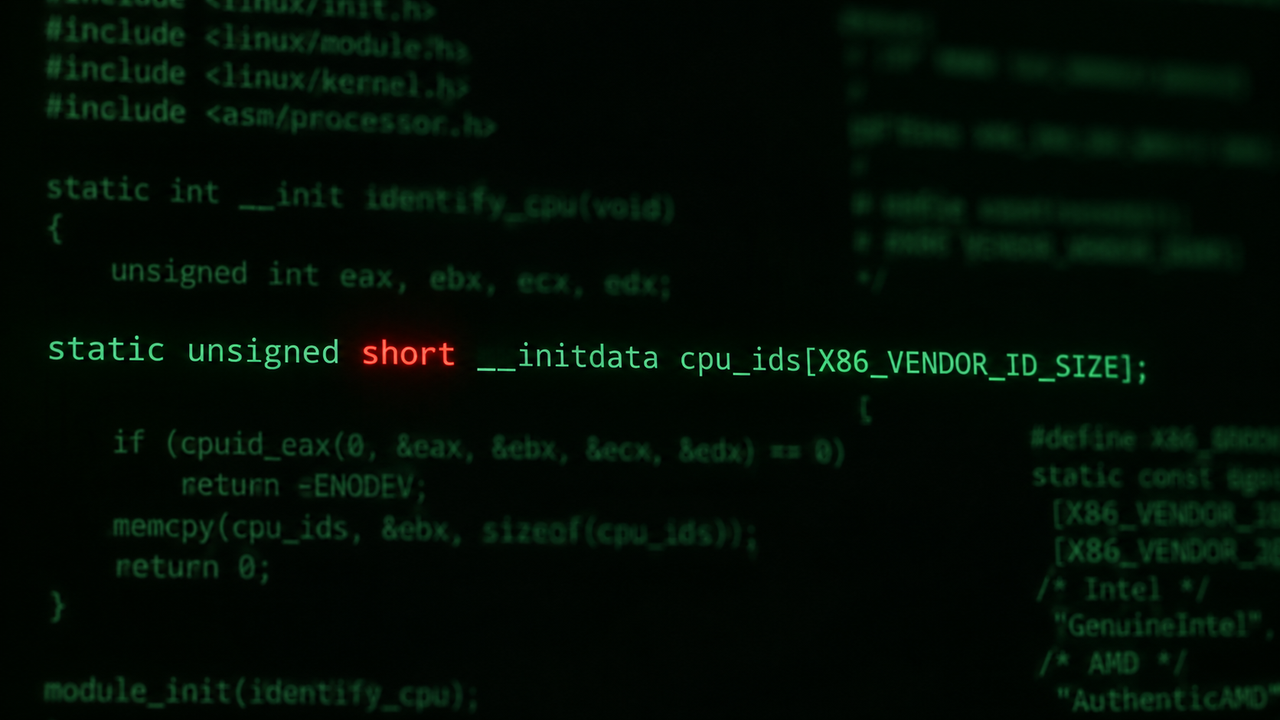
Researchers at Calif.io found a shared-memory attachment counter declared as a signed 16-bit short, code that traces back 37 years into original BSD sources. Overflowing that counter wraps it negative, which they chained into a use-after-free plus an out-of-bounds write. The result is local privilege escalation to root even with KARL, SMAP, and SMEP all enabled, and with no information disclosure required.
Relevance 4/10Importance 6/10
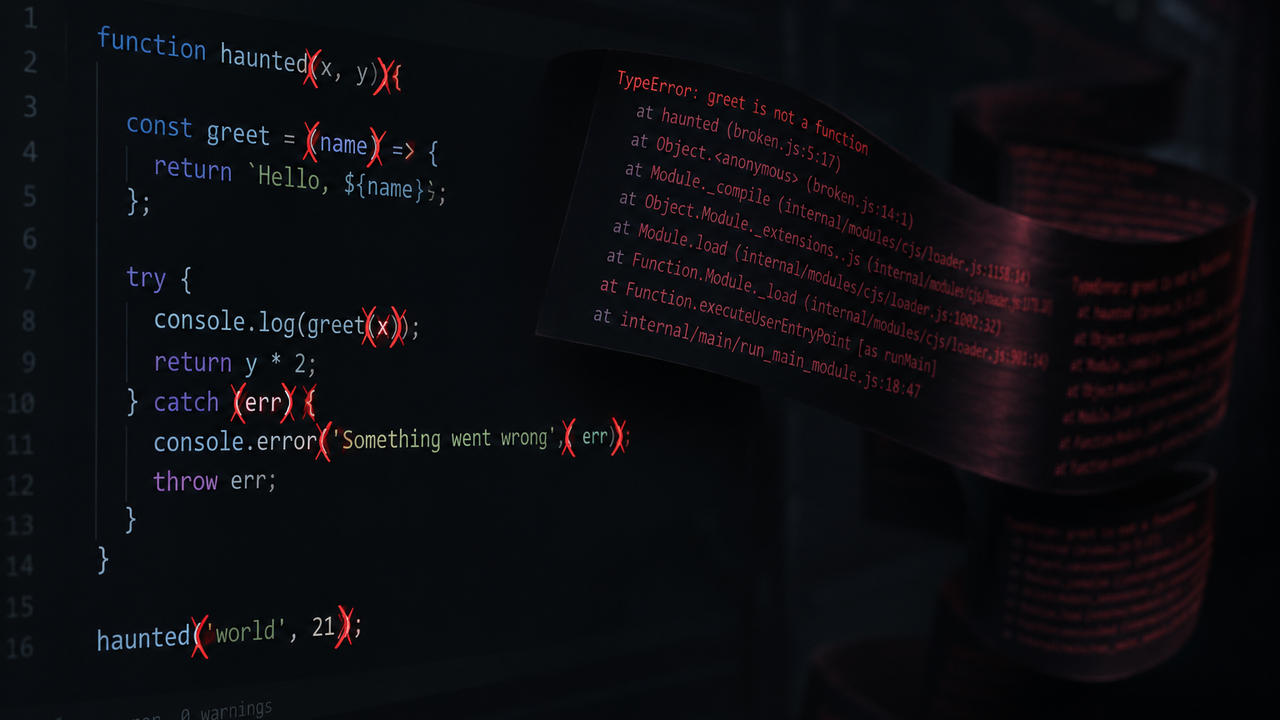
A JavaScript trick that calls arbitrary functions with zero parentheses in the source, abusing Error.prepareStackTrace together with prototype pollution to drive execution through stack-trace machinery. It's a genuinely novel primitive for escaping sandboxes and sneaking past filters that pattern-match on conventional call syntax. Top-scoring story on the front page this morning at 183 points.
Relevance 4/10Importance 5/10
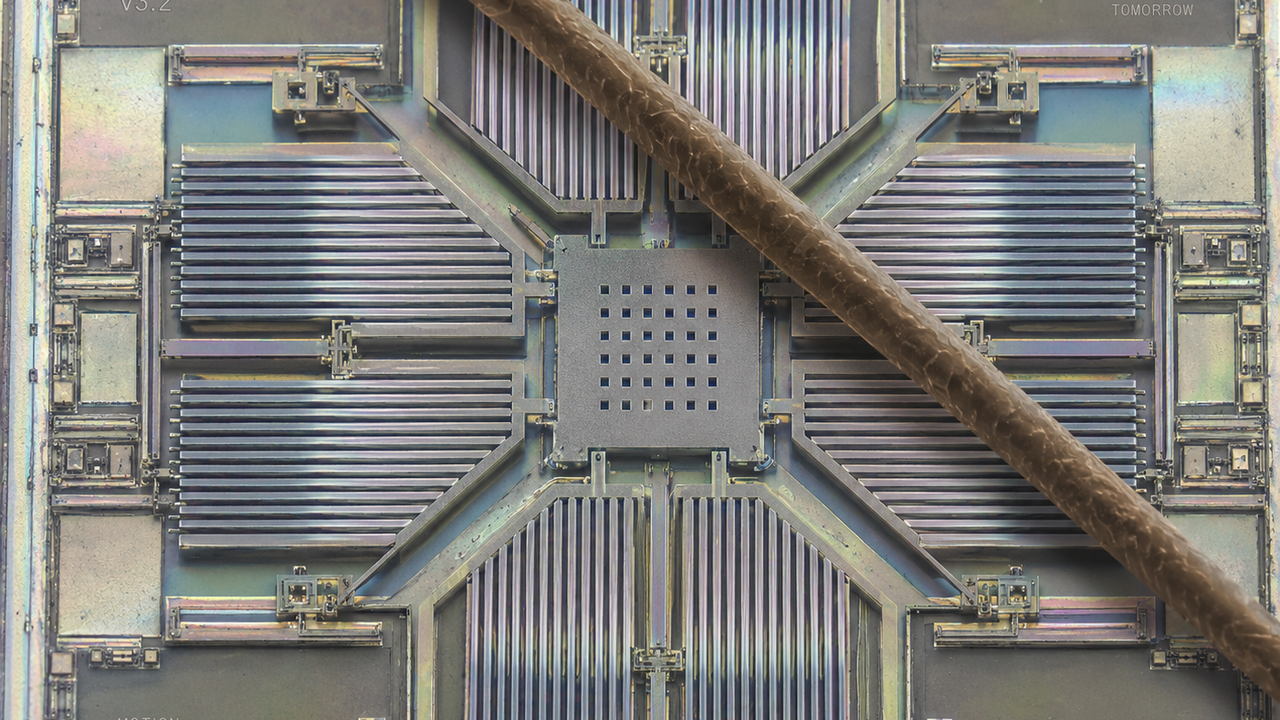
A video walking through how MEMS fabrication collapsed the spinning-mass gyroscope onto a chip about one millimeter across. Modern inertial measurement units pack three accelerometers and three gyroscopes, one per axis, with features so fine a bacterium would fit between them. That part is the quiet reason your phone, your drone, and every robot on the market know which way is up.
Relevance 3/10Importance 5/10
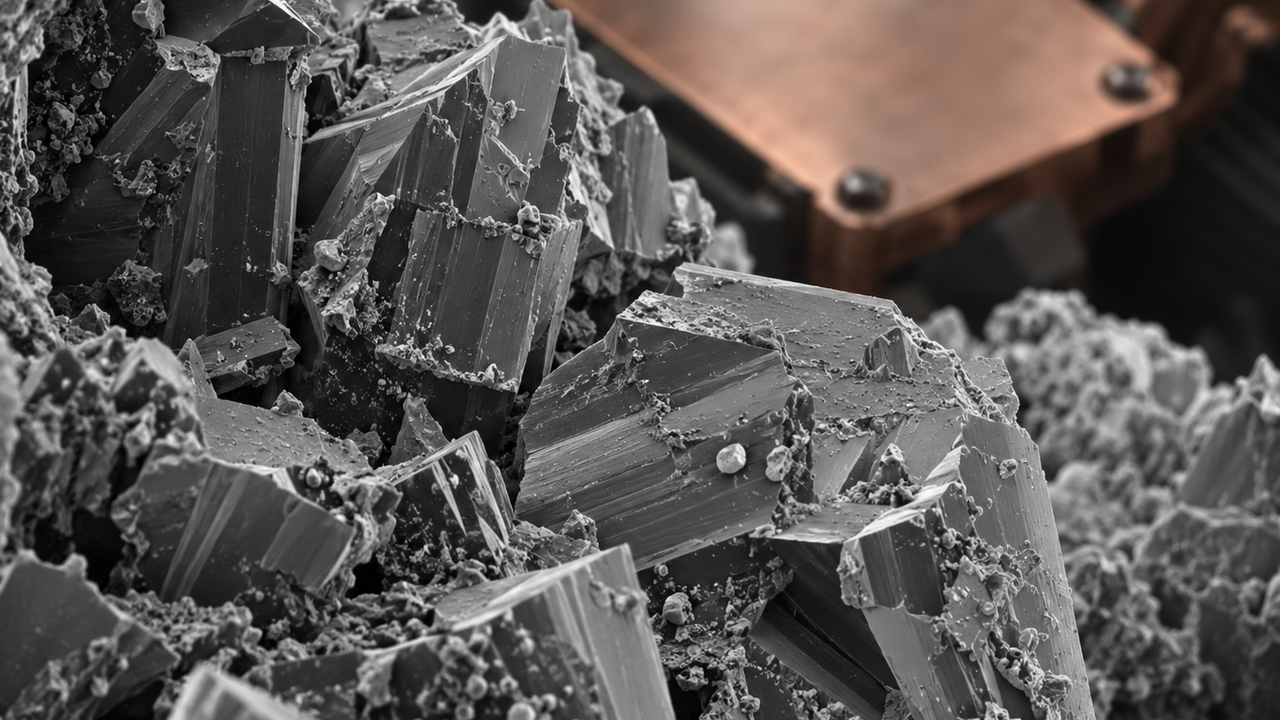
Roman "der8auer" Hartung put a two-year-old liquid metal thermal paste application under an electron microscope and found it never dries out — the gallium bonds with copper to form solid CuGa2. That intermetallic layer conducts heat at roughly a quarter of bare copper's rate, though nickel plating keeps it about ten times thinner. And on aluminum it's a disaster, visibly eating the metal within thirty minutes.
Relevance 3/10Importance 4/10
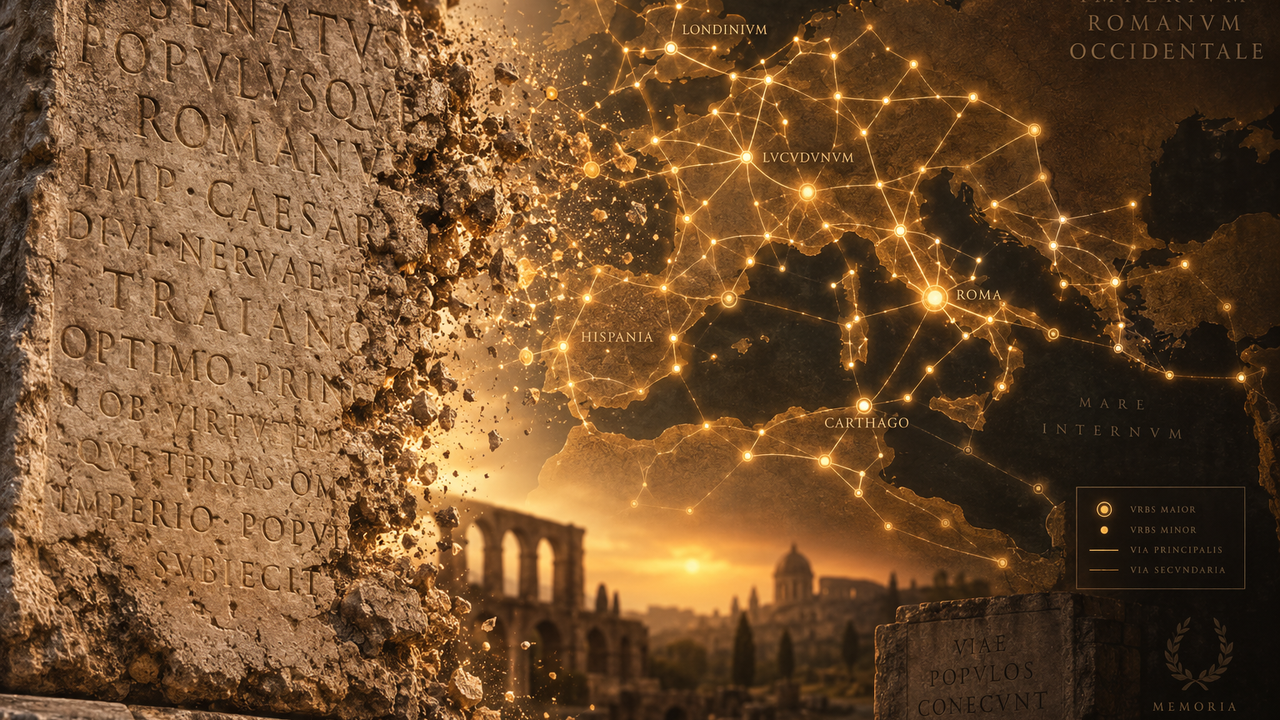
Michele Coscia's team computed an Economic Complexity Index for Roman provinces using the LIST dataset of geolocated Latin inscriptions that record occupations, correcting for status bias, gender underrepresentation, and historiographic gaps. Across roughly 23 territories they found a significant correlation between ancient complexity scores and modern-day ECI values. The uncomfortable implication is that regional economic sophistication may persist across two thousand years.
Relevance 2/10Importance 3/10
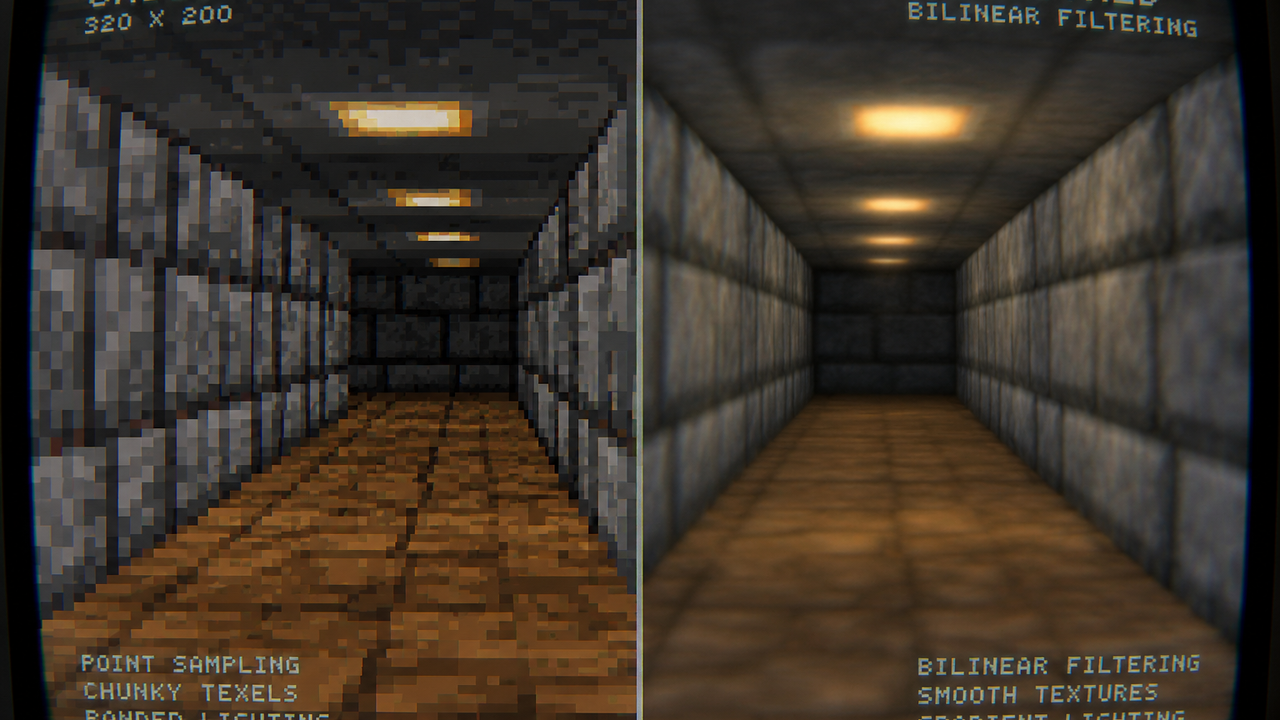
James Mackenzie makes the case that software-rendered DOS classics like Quake and Duke Nukem 3D actually look better than their hardware-accelerated ports, preserving crisp square texels and grimy color-banded lighting. On a fast modern PC you can run those original renderers at 800 by 600 and above while holding 60 frames per second — resolutions period hardware could never touch. His conclusion: run it natively in DOS and you get the game exactly as intended.
Relevance 1/10Importance 2/10
Leah Wilson, a Métis woman in British Columbia, flagged down a passing fire crew to free a crow trapped in a home's eavestrough, then drove the injured bird to a wildlife rehab center where it eventually recovered and was released. Since then local crows have left her more than half a dozen offerings — sticks, balls of moss, even a small bird's nest. At 622 points, the runaway favorite on the front page today.

 HN Briefing AM