Relevance 10/10Importance 8/10
Sweden's Government Offices are blocking staff from using ChatGPT and Claude on work machines, leaving Microsoft Copilot as the only approved AI tool. Digitalization director Mikael Wettercrantz posted on the intranet that using AI services without a contract in place could have consequences for information security. Some staff keep access to an internally built AI assistant platform that proxies to those same models, and the Tax Agency and National Government Service Centre have added similar restrictions.
Relevance 7/10Importance 9/10
The Keep Android Open campaign is counting down to Google's mandatory developer verification regime, which requires every Android developer to register centrally, pay fees, hand over government ID, and provide signing-key evidence before their apps can be sideloaded on any device worldwide. Organizers argue it retroactively locks down phones people already bought as open hardware and builds censorship infrastructure for authoritarian governments. Over 71 organizations from 23 countries have signed an open letter opposing it, and the campaign is pushing users toward F-Droid and urging developers to refuse enrollment.
Relevance 9/10Importance 5/10
Jim Nielsen draws a line between today's frontier AI researchers and Cold War nuclear strategists, arguing both groups carry an "enlivening burden" of dangerous knowledge and a world-saving mission. That mindset, he notes, shows up as researchers casually dismissing long-horizon planning like saving for retirement because they expect transformative AI first. He closes with a sardonic prediction that some company will eventually scrap retirement benefits outright as a signal of conviction.
Relevance 6/10Importance 6/10
A developer who built their own container runtime from scratch reports that containers "aren't real" — they're just ordinary processes fenced in by five separate Linux kernel features stitched together. The post digs into why runc, written in Go, has to reach for C modules and assorted hacks because Go's runtime model fights against the syscalls container creation needs. It also demystifies images as plain directories and explains why so many container operations still demand root.
Relevance 5/10Importance 7/10
Data-extraction startup Kadoa crunched EIA and BLS figures from 2015 through 2025 and found investor-owned utilities charge 23 percent more per kilowatt-hour than public utilities and co-ops. Investor-owned rates climbed 34 percent since 2020 versus 19 percent for public providers, with the gap widening most sharply during the 2020 to 2023 price spike. The pattern held in 38 of 48 states analyzed.
Relevance 4/10Importance 7/10
OpenSSL 4.1.0 lands with DTLS 1.3 support per RFC 9147, GREASE from RFC 8701, and DTLS wired into the SSL listener API. The release also adds an IKEv2 KDF and new architecture-specific crypto optimizations including AVX-512 paths on x86_64. Housekeeping includes dropping Itanium and Windows CE targets and swapping the abandoned WWW::Curl dependency for Net::Curl::Easy in tsget.
Relevance 4/10Importance 7/10
A hacker got in through an unpatched AfD website in September 2026 and walked out with 281 gigabytes, including 421,179 internal emails and more than 100,000 files. The dump was published on Hexane.cc with AI-generated summaries sorted into categories like racism and antisemitism, though the party claims those summaries contain errors. Bitdefender's writeup points to the usual culprits — neglected infrastructure and flat, unsegmented networks — and warns the torrent itself may carry malware.
Relevance 5/10Importance 4/10
Ed Jefferson built a tool that filters Wikipedia down to only the articles about places and landmarks within roughly a half-hour walk of wherever you're standing. It's a browsing interface for the geography you actually inhabit rather than the whole encyclopedia. Location processing stays in the browser, so your coordinates never leave your device.
Relevance 2/10Importance 5/10
Disney+ and Hulu Premium went from 18.99 to 21.49 a month on September 23, 2026 — a 13 percent bump. Days earlier, Disney quietly revised its terms to allow promotional content, sponsorships, and advertisements on every tier, including the premium plan sold as ad-free. Pre- and post-show ad placement now applies across the board, with mid-show breaks still limited to the cheapest tier.
Relevance 3/10Importance 3/10
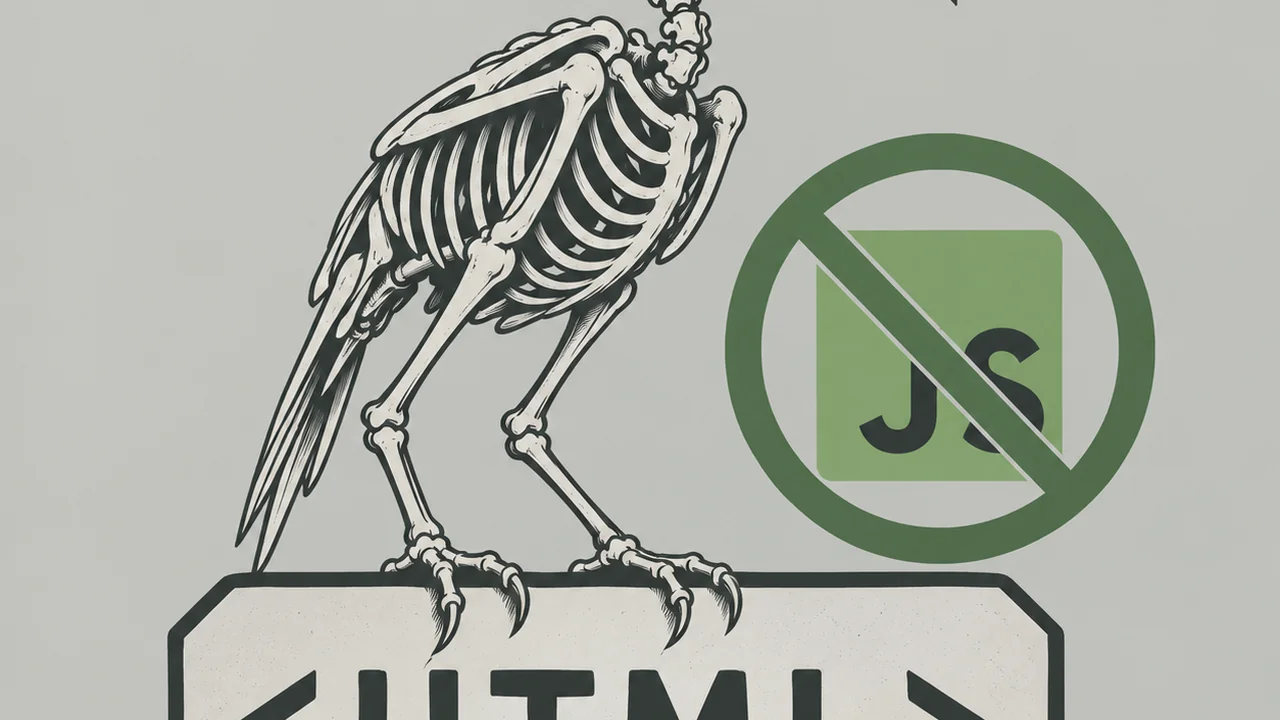
Shitter is a free and open source Twitter front-end forked from the now-dormant Nitter project, built around privacy and speed. It ships zero JavaScript and no ads, and proxies every request through its own backend so Twitter never sees your IP or browser fingerprint. It exists because Twitter now requires JavaScript and increasingly demands a signup just to read, and it's self-hostable.

 HN Briefing AM