Relevance 10/10Importance 10/10
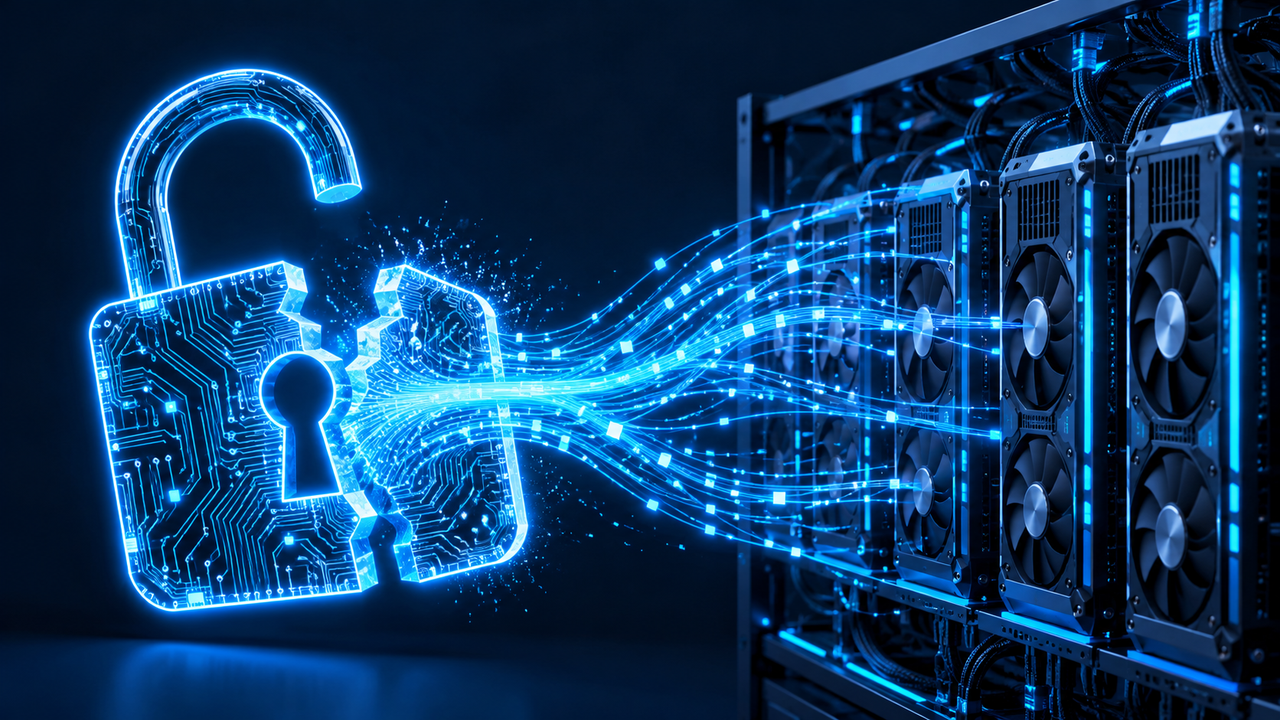
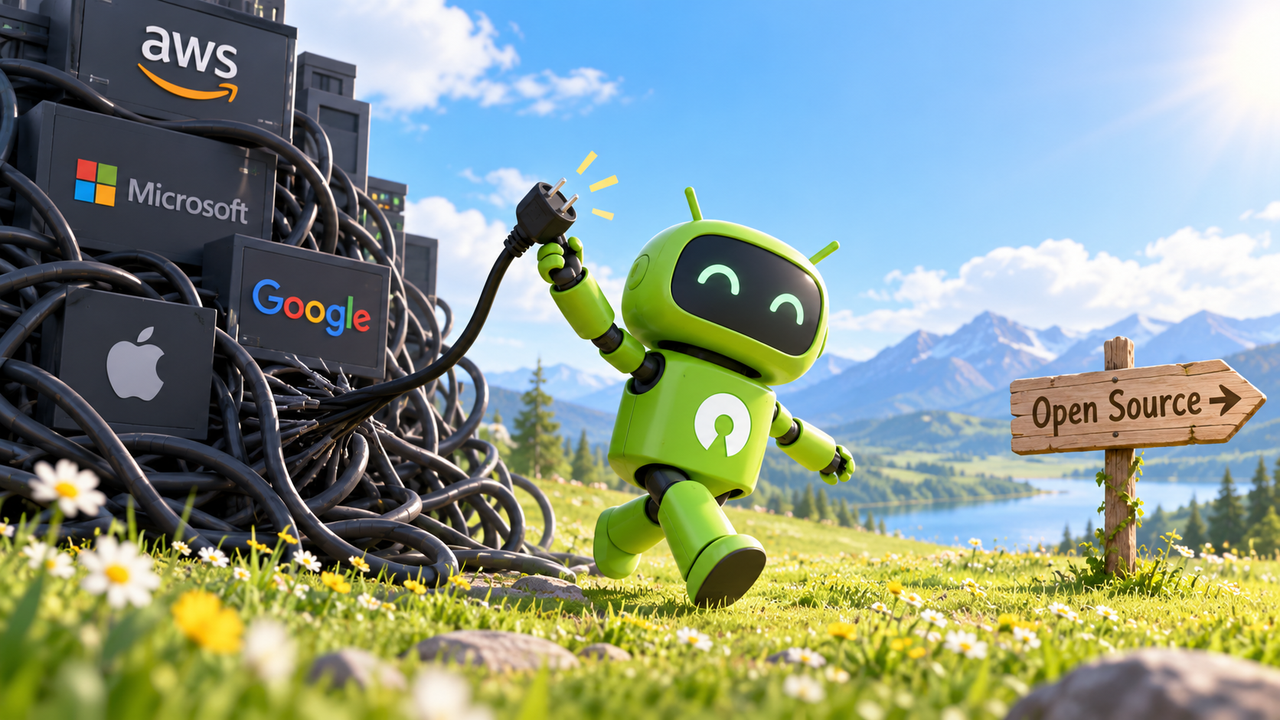
DeepSeek dropped DeepInfer, the production-grade inference framework that actually powers their LLM services, onto GitHub. It bundles their custom kernels — FlashMLA, DeepGEMM, DeepEP, TileKernels — alongside speculative decoding, batch-invariant inference, deterministic sampling, and structured output via regex, JSON schema, or EBNF grammars. It targets NVIDIA SM100 GPUs and Huawei Ascend 950 NPUs, which hands enterprise-scale serving tricks to anyone with the hardware.
Relevance 9/10Importance 8/10
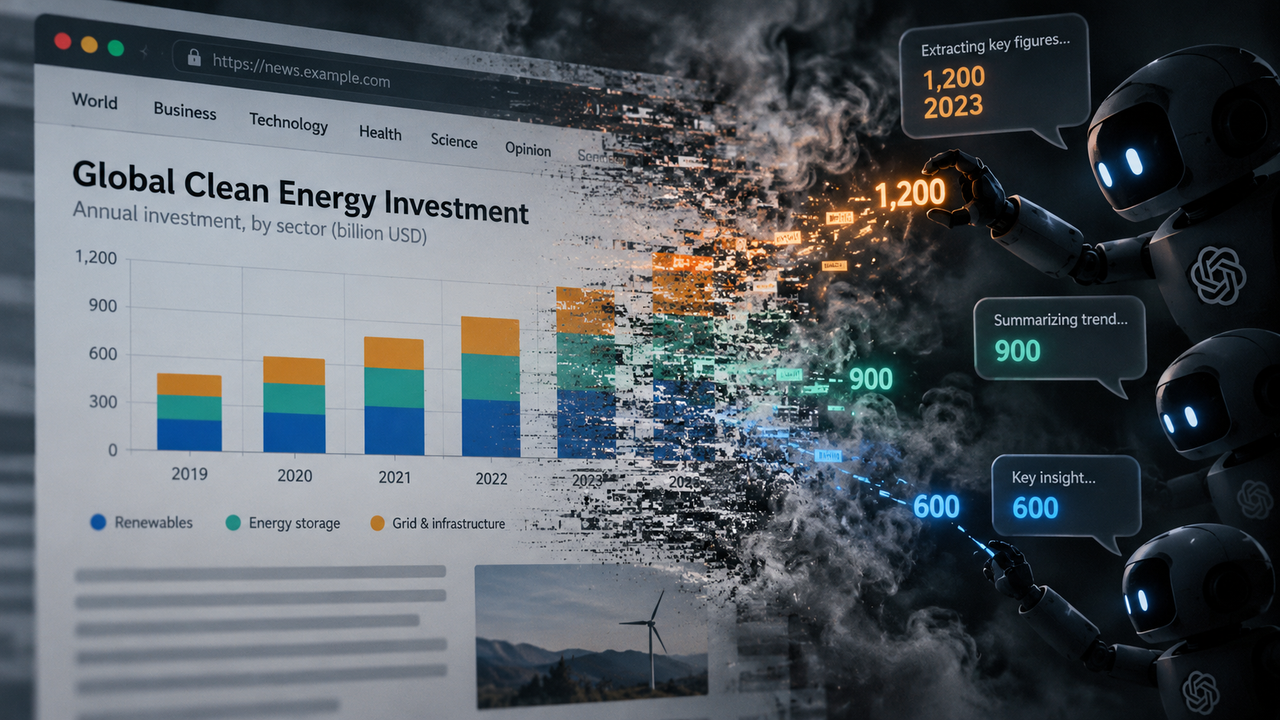
Researcher Metehan Yesilyurt spun up stateglobe.com for roughly fifty bucks, filled it with 50,000 entirely fabricated statistics generated by GPT-4.1, and waited. Google deindexed it almost immediately, but ChatGPT never stopped crawling — seven months later the site had 10,000-plus sessions, 330-plus referring domains including Shopify and DHL, and citations in academic and financial research. The takeaway is blunt: ranking on Google and being retrievable by an LLM are two completely different problems, and the second one has almost no fact-checking layer.
Relevance 7/10Importance 8/10
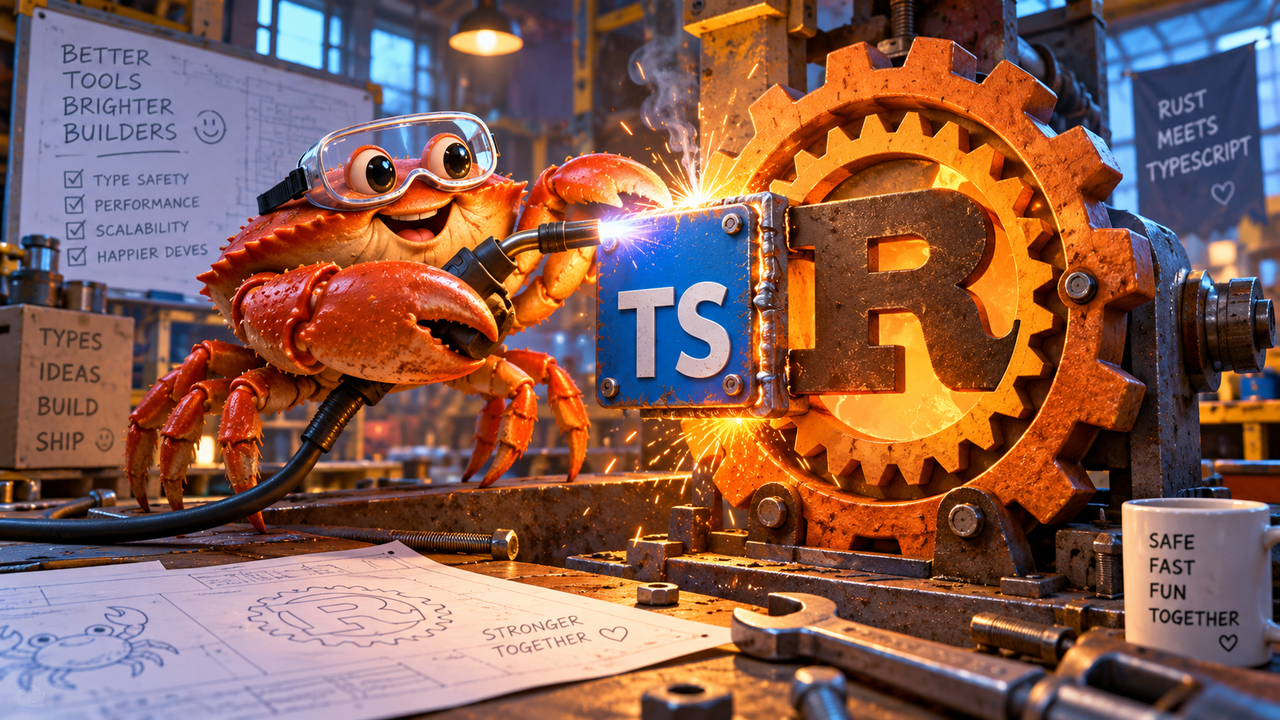
Cloudflare, VoidZero, and developer Max Schwenk built tsrs, a faithful port — not a fork — of the TypeScript compiler into Rust. Early benchmarks show up to 8x faster type checking and about 70 percent less memory than TypeScript 7.0 at the same worker count. The real motive is WebAssembly: Rust's memory model runs in a browser sandbox cleanly where Go's garbage collector does not, which fits Cloudflare's plan to put entire dev environments in the browser.
Relevance 3/10Importance 9/10
On October 17, a researcher going by Wayne disclosed that private keys for eight eMudhra intermediate CA certificates had leaked, proving it by signing test messages with each one. Those intermediates chained to roots trusted by Mozilla, Microsoft, Apple, and Chrome, plus Sectigo cross-signs to the Comodo AAA Services root — enough to impersonate any website on the internet. Root programs moved fast: Firefox and Chrome blocked them the same day, Apple by October 19, Microsoft by October 20, with Go, Node, Rust, Electron, and Python certifi all shipping updates.
Relevance 3/10Importance 8/10
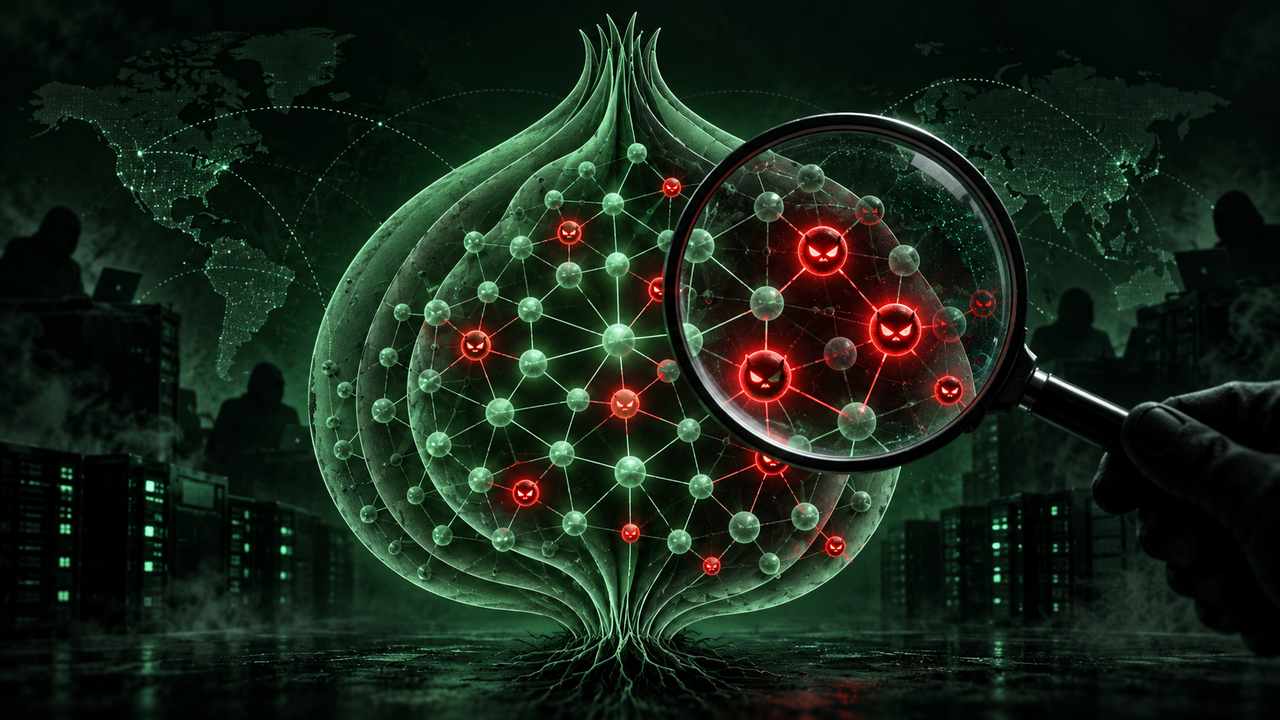
On October 2, 333 Tor exit relays — roughly ten percent of all exits — turned out to be backdoored with Ebury and actively man-in-the-middling SSH connections and sniffing plaintext email. The author noticed their own SSH traffic being redirected to one of twelve interception servers, then used exitmap to pin and fingerprint-test all three thousand exits to find every compromised node. They reported it to the Tor network health team on a Friday night; relays were flagged BadExit, operators pulled them, and everything was dark by October 5.
Relevance 4/10Importance 5/10
The author makes a self-hosting argument for NixOS built entirely on reproducibility: adding FreshRSS took nine lines of Nix instead of a multi-step manual slog. The real payoff is recovery — if a server dies, an identical replacement is about fifteen minutes away from the same config. Unlike shell scripts or container images that quietly drift over time, a Nix config produces the same result every run, which turns server maintenance from dread into a chore.
Relevance 3/10Importance 6/10
microG's GmsCore is an open-source reimplementation of Google Play Services, letting apps that depend on Google APIs run on AOSP builds like LineageOS. It handles online and offline location plus the network location provider, and leans on Android signature spoofing so apps believe they're talking to the real thing. The pitch is privacy, lower battery and memory overhead, and opt-in control over which Google services run at all.
Relevance 4/10Importance 3/10
Paul Tyma's remembrance of Bob Cringely, the tech journalist behind Accidental Empires and the PBS series Triumph of the Nerds, who died on October 3, 2026. It started with an out-of-nowhere phone call in 1996 praising Tyma's Java book and turned into a thirty-year friendship, including work on Pronto, Cringely's scheme to download printed magazines to home printers. Tyma's gentle verdict is that Cringely's real gift was television, and that he'd have owned YouTube if the timing had lined up.
Relevance 2/10Importance 5/10
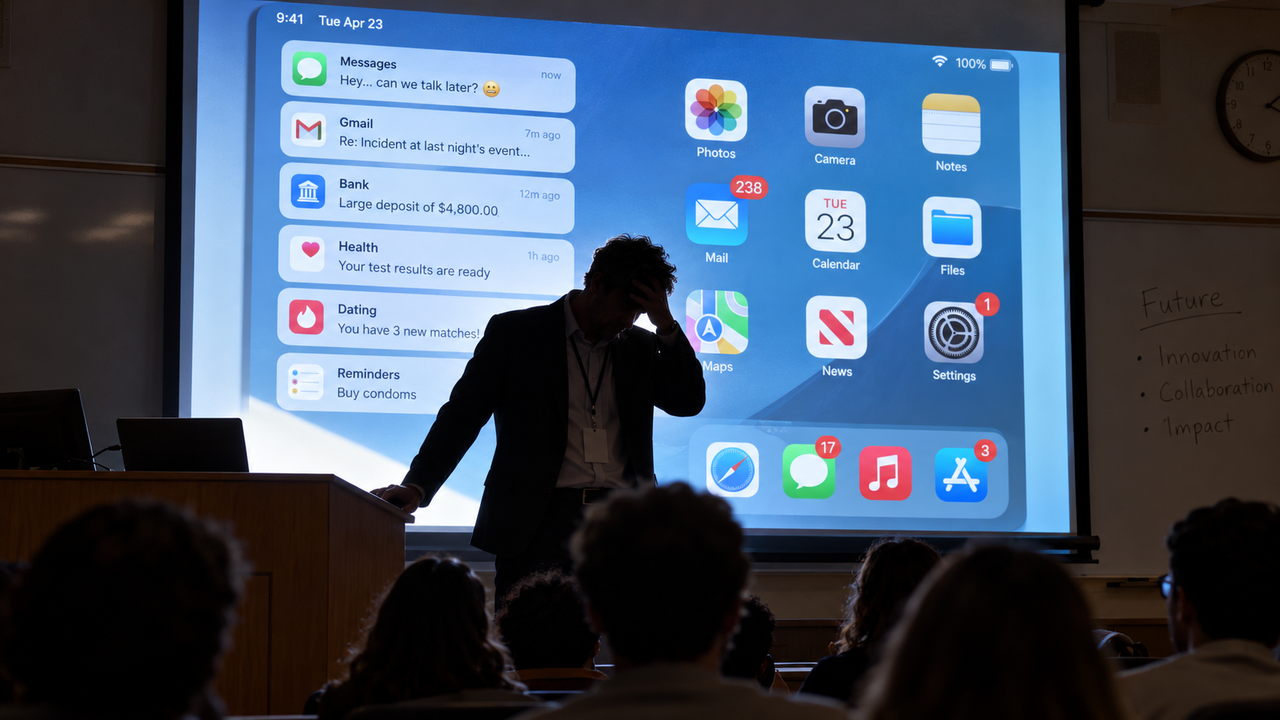
iPadOS 27 removed the ability to use multiple windows while AirPlaying to an external display. Tapping anything other than the presenting app now mirrors the entire iPad screen to the room — so private notes, messages, and everything else go public. The author, an educator who relied on juggling slides, handout annotation, teaching notes, and poll results, says the regression breaks GoodNotes, Keynote, and PowerPoint workflows alike.
Relevance 2/10Importance 4/10
Nordwand Mono is a compact monospace neo-grotesque built by developer tywr, blending Frutiger's Univers with JetBrains Mono proportions and a dash of SF Mono and Alpes Mono. The whole thing is generated in Python, so you can edit a config file and recompile with your own x-height and cap-height. It ships multiple weights, Cyrillic support, optional alternate glyphs via OpenType features, and just two restrained ligatures.

 HN Briefing AM