Relevance 10/10Importance 8/10
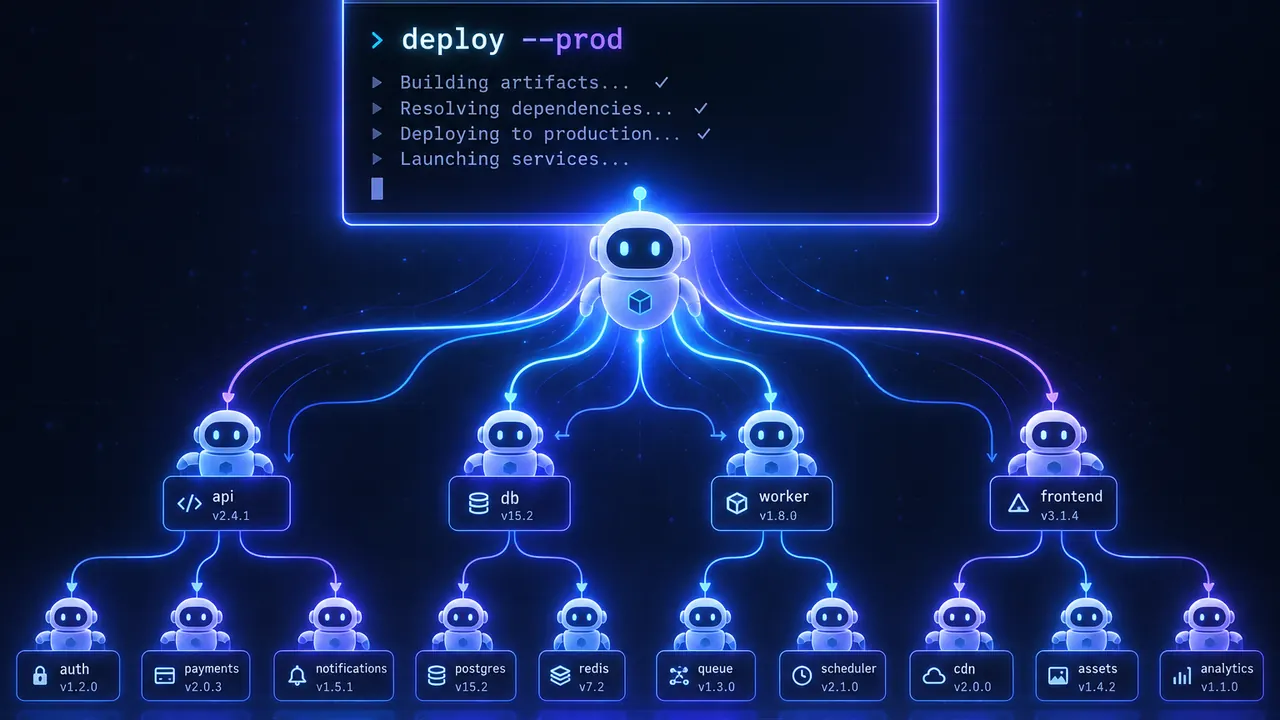
Cursor shipped an Agent SDK that lets teams define custom coding agents in code, version them like any other software project, and deploy them with a single command to Cursor's infrastructure or run them locally. It ships with evals, event replay, and orchestration across multiple specialized agents. The pitch is explicitly anti-SaaS-product: build the agent your workflow needs instead of adopting someone else's pre-built review bot.
Relevance 9/10Importance 8/10
CircuitHub unveiled The Grid, a factory-scale robotic PCB assembly system in Massachusetts aimed at high-mix, low-volume electronics. Boards move between machines on levitating movers, and scheduling is handled by a mix of learned models, AI agents, and classical optimizers so there's effectively zero setup time between designs. Their numbers: four days at roughly 630 dollars versus nine days at about 465 from Shenzhen — you pay a premium to cut turnaround in half.
Relevance 8/10Importance 7/10
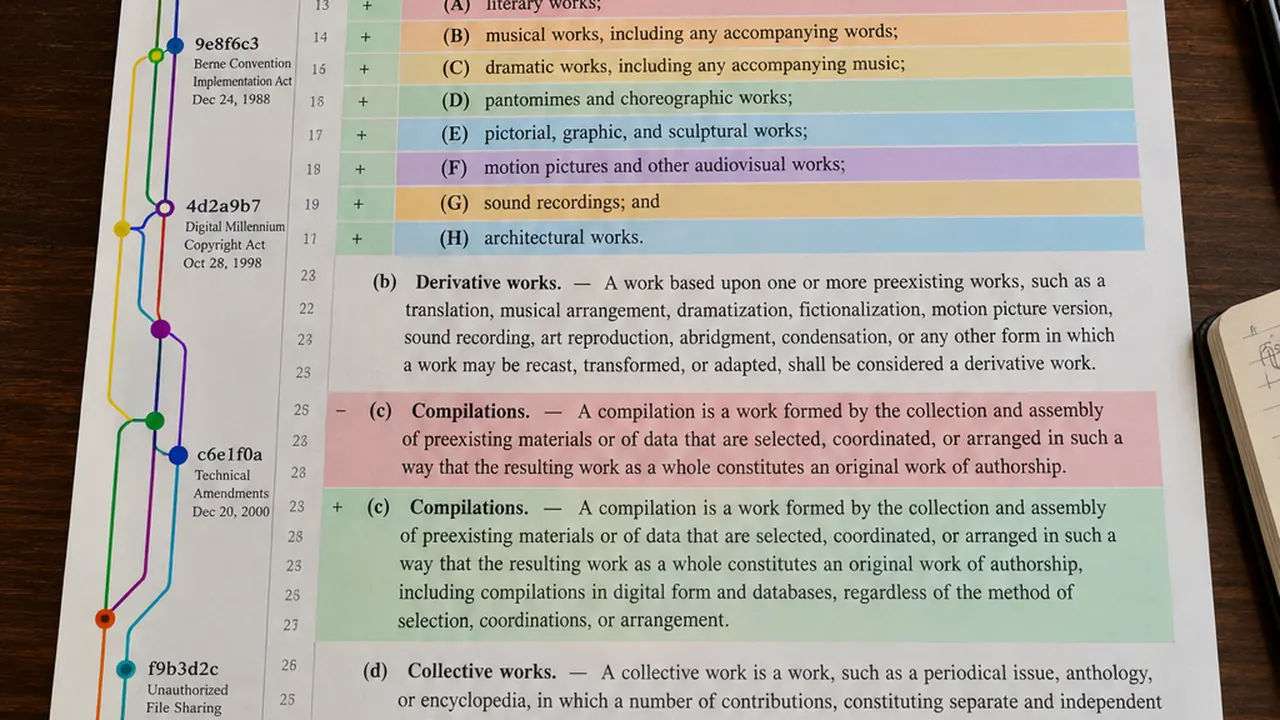
Lexifina built a version-control layer over the US Code, replaying every amendment since 2017 so you can view any federal statute as it stood on a given date and trace which act changed which phrase. They report 99 percent accuracy — 361 of 365 changes matched exactly — with provisions color-coded by originating act and effective dates tracked separately. The stated motivation is AI legal research: language models routinely cite statutes without the correct lineage or effective date.
Relevance 6/10Importance 9/10
Eleven days after disclosure, Apple's bundled developer tools — git, curl, python3 — still trust the compromised eMudhra root certificates, meaning an attacker positioned to intercept HTTPS could tamper with clones and pushes or lift GitHub tokens. Apple patched Safari and its networking framework but left the command-line toolchain exposed, and macOS 27.2 actually reverted users' manual workarounds. Dozens of other projects already shipped fixes.
Relevance 8/10Importance 6/10
David Durman, a 45-year-old research administrator at the University of Kentucky, won a Title VII religious accommodation in September exempting him from using AI tools like Copilot, Claude, and ChatGPT in his job. Working with the American Humanist Association, he argued that offloading his own reasoning undercuts his ability to develop as a moral actor. It's the first such accommodation granted to a humanist, and it hands employees a brand-new legal lever against mandatory AI adoption.
Relevance 5/10Importance 9/10
Wired's Ali Winston reports that attorneys for 15 Minnesota defendants obtained discovery revealing sweeping ICE Homeland Security Investigations spying on left-wing movements under the code names Project Whipple Shield and Operation Puppet Master. The toolkit is deeply technical: forensic analysis of website traffic, scrutiny of PayPal and wire transfers, commercial data-broker records, and roughly 15 terabytes of infiltrated Signal chats. Customs authority was used to collect on unions, activist groups, and journalists.
Relevance 5/10Importance 6/10
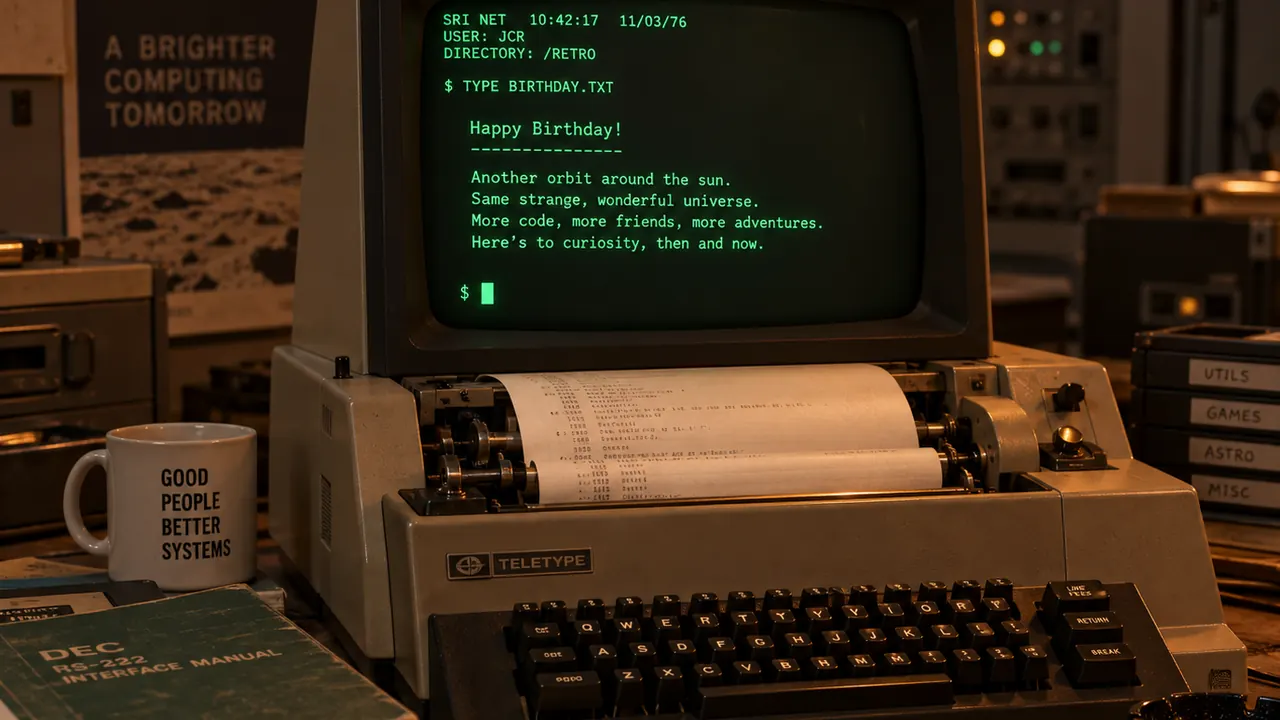
Simson Garfinkel traces Emacs from TECO on MIT's PDP-1 through Carl Mikkelsen's 1971 Control-R hack, the add-on that first made edits appear live on a glass teletype. Fifty years on it's still in daily use and even shipped with Mac OS X. The deeper argument: the sharing culture that grew up around Emacs at the MIT AI Lab is what seeded the free software movement and GNU/Linux.
Relevance 5/10Importance 4/10
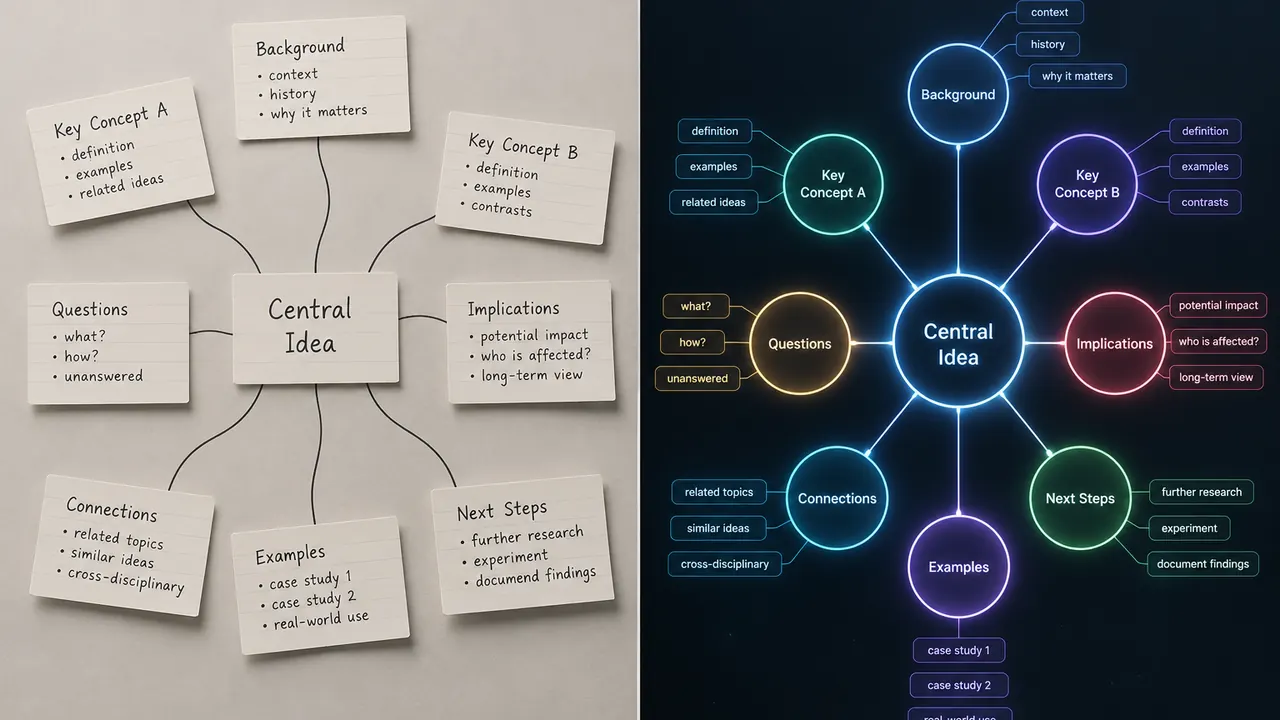
A clean teardown of two visual-thinking tools: Obsidian Canvas stores boards as standalone open-JSON .canvas files that stay portable but aren't indexed into the vault graph, while Heptabase treats cards as global, relational, indexed entities inside a proprietary system. The trade is data ownership versus cumulative spatial context. Verdict: Obsidian for durable plain-text diagrams, Heptabase for long-running research networks.
Relevance 4/10Importance 4/10
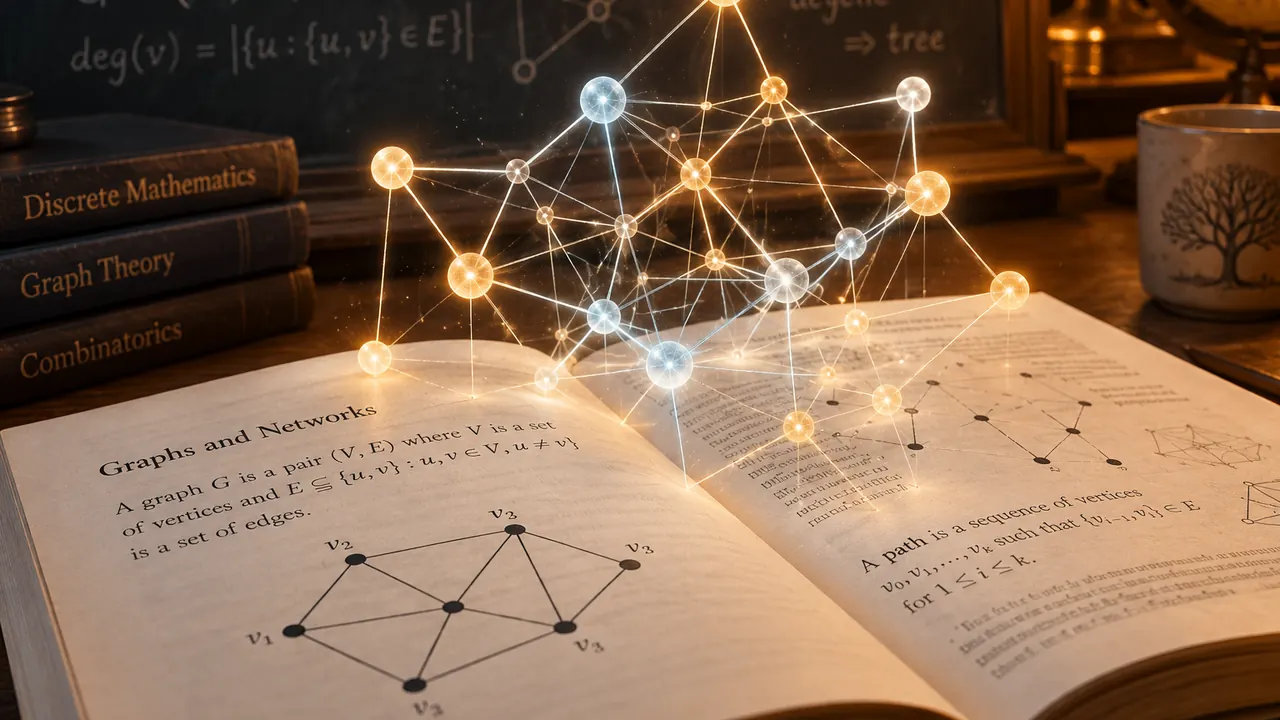
Mikhail Lavrov released a free introductory graph theory textbook under a Creative Commons license, readable online or as a PDF. The framing is applied rather than axiomatic — using graphs to solve puzzles, prove theorems, and everything in between. It's a genuinely useful open educational resource for anyone whose combinatorics is rustier than they'd admit.
Relevance 3/10Importance 4/10
Cloistered Carmelite monks near Meeteetse, Wyoming are building a 145,000-square-foot French Gothic monastery out of Kansas limestone using CNC machine tools, including a Prussiani stone carver bought in 2013. One monk models the stonework digitally, others convert it to machining code, others rig 4,000-pound slabs. Ornamentation that once took a skilled carver months now takes days — gargoyles and ribbed arches on a toolpath.

 HN Briefing AM